Low-water perennials for Colorado's Front Range
Quick answer
The best low-water perennials for Front Range yards are Black-eyed Susan, Chocolate Flower, Gayfeather, and Letitia Flannel Plant, with Poppy Mallow and Prairie Coneflower close behind. For a grass, try Little Bluestem Grass and Prairie Dropseed Grass. All of them need regular water through their first summer, then less each year: Denver Water's schedule tapers over three years.
Perennials that keep blooming through Front Range heat on little water once their roots settle in. Each is rated low or low-to-medium water, and the list includes the prairie grasses our data files as perennials. Like any drought-tolerant plant, they need regular water for their first summer or two.
Planning a whole xeriscape? See the xeriscape plants for Colorado list, trees through groundcovers.
Top picks by type
Jump to
Every pick is rated low or low-to-medium water, hardy to zone 4, fine in alkaline soil, and free of invasive, spreading, dog-toxicity and fails-here flags; picks then score a point each for Colorado native, low water (not just low-to-medium), Plant Select, high pollinator value, and in stock at a retailer we track, with ties going alphabetically and one pick per species.
Top 10 flowering perennials
- 1Black-eyed SusanYellow and brown flowers in summer into fall, low water, 24 in tall.
- 2Chocolate FlowerYellow flowers in spring into summer, low water, 18 in tall.
- 3GayfeatherPurple and pink flowers in summer into fall, low water, 24 in tall.
- 4Letitia Flannel PlantCompact silver-foliage mullein with bright yellow flowers all summer.
- 5Poppy MallowWhite and pink flowers in summer, low water, 6 in tall.
- 6Prairie ConeflowerYellow flowers in summer, low water, 18 in tall.
- 7Bellina Pink CornflowerSilver-leaved cushion with clear-pink cornflower blooms; tidy mounding habit.
- 8Bigelow's TansyasterLate-season purple daisies, drought tolerant, reseeds; goldenrod companion.
- 9BlanketflowerYellow and red flowers in summer into fall, low water, 12 in tall.
- 10Blue FlaxBlue flowers in spring into summer, low water, 18 in tall.
Top 3 grasses
- 1Little Bluestem GrassPrairie warm-season grass; blue-green summer foliage turns coppery-red in fall; year-round structure.
- 2Prairie Dropseed GrassFine-textured fountain shape.
- 3SwitchgrassWarm-season prairie grass; airy pink flower clouds; bluish foliage turns red-gold in fall.
Watering them in
"Low water" describes a plant whose roots have settled in, not one fresh from the nursery. CSU Extension's Master Gardener notes put it in one line: even xeric plants need rain or irrigation during establishment.
- Year one, water on a schedule. For new plants in a water-wise yard, Denver Water says to soak each plant at its base twice a week from June through September, or run half-gallon-per-hour drip emitters 30 to 60 minutes, twice a week.
- Then taper. Year two drops to once a week, year three to every one to two weeks. Denver Water calls it sleep, creep, leap: plants sleep the first year, show growth the second, and by the third are established and need less water.
- Know the target. Plant Select and Denver Botanic Gardens put xeric plants at about 1 inch of water a month, rain plus irrigation, while they establish, and irrigation only during drought after that.
- Go easy on compost. The same guide says many plants that thrive here prefer lean, well-drained soil to rich organic soil, and that organic matter and wood mulch are not ideal for xeric and native plants. It suggests working in squeegee or crushed granite (1/4 inch and smaller) and mulching with 1 to 2 inches of squeegee. Advice differs here: CSU PlantTalk recommends working compost into xeriscape beds so plants grow better on less water. Our read: keep it lean and gritty for the low-water plants, and save a modest dose of compost for the low-to-medium ones.
- Start small. Plant Select recommends 1-quart pots for perennials, because small plants root in faster.
Plan your garden
Not sure what to plant? The finder matches Front Range trees, shrubs, perennials, and groundcover to your soil, water, sun, and zone.
Compare these perennials at a glance
| Plant | Mature height | Water | Colorado native | Hardiness |
|---|---|---|---|---|
| Bee Balm/Horsemint | 24 in | low water | Yes | USDA 3 to 9 |
| Bigelow's Tansyaster | 24 to 48 in | low water | Yes | USDA 4 to 8 |
| Black-eyed Susan | 24 in | low water | Yes | USDA 3 to 9 |
| Blanketflower | 12 in | low water | Yes | USDA 3 to 10 |
| Blue Flax | 18 in | low water | Yes | USDA 4 to 9 |
| Blue Mist Penstemon | 12 in | low water | Yes | USDA 3 to 8 |
| Bush Sunflower | 20 in | low water | Yes | USDA 4 to 9 |
| Butterfly Milkweed | 18 in | low water | Yes | USDA 3 to 9 |
| Chocolate Flower | 18 in | low water | Yes | USDA 4 to 9 |
| Common Yarrow | 18 in | low water | Yes | USDA 3 to 9 |
| Desert Four O’Clock | 18 in | low water | Yes | USDA 4 to 9 |
| evening primrose | 12 to 18 in | low to medium water | Yes | USDA 4 to 8 |
Ordered Colorado-native first, then alphabetically, not a quality ranking. Full list below.
All 96 plants
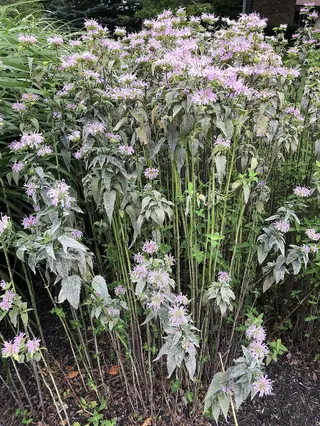 Bee Balm/HorsemintMonarda fistulosa24 inlow waterColorado nativeUSDA 3 to 9
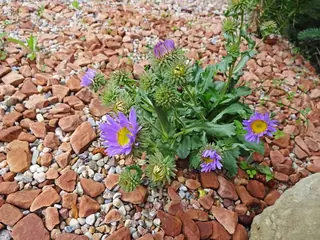 Bigelow's TansyasterMachaeranthera bigelovii24 to 48 inlow waterColorado nativeUSDA 4 to 8
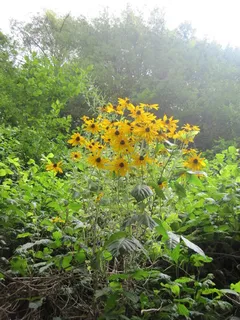 Black-eyed SusanRudbeckia hirta24 inlow waterColorado nativeUSDA 3 to 9
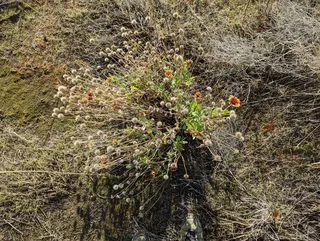 BlanketflowerGaillardia aristata12 inlow waterColorado nativeUSDA 3 to 10
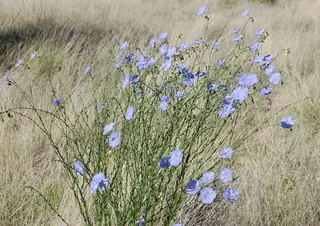 Blue FlaxLinum lewisii18 inlow waterColorado nativeUSDA 4 to 9
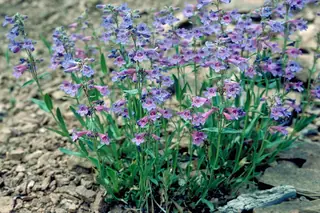 Blue Mist PenstemonPenstemon virens12 inlow waterColorado nativeUSDA 3 to 8
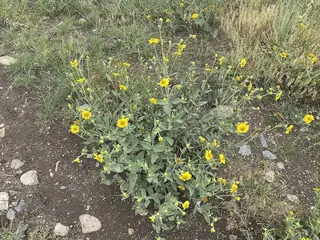 Bush SunflowerHelianthus pumilus20 inlow waterColorado nativeUSDA 4 to 9
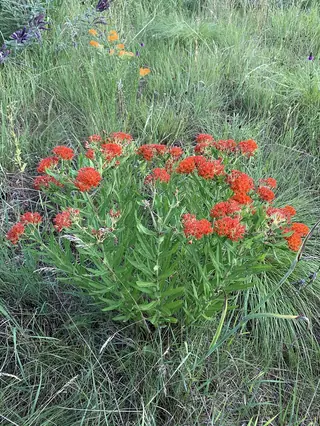 Butterfly MilkweedAsclepias tuberosa18 inlow waterColorado nativeUSDA 3 to 9
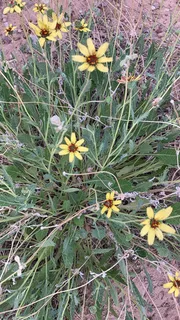 Chocolate FlowerBerlandiera lyrata18 inlow waterColorado nativeUSDA 4 to 9
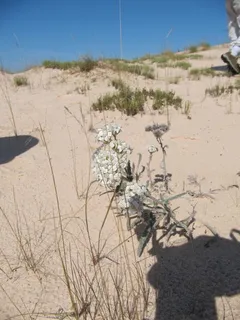 Common YarrowAchillea millefolium18 inlow waterColorado nativeUSDA 3 to 9
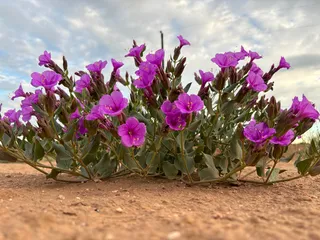 Desert Four O’ClockMirabilis multiflora18 inlow waterColorado nativeUSDA 4 to 9
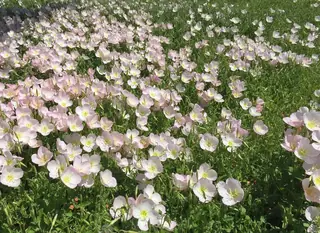 evening primroseOenothera speciosa12 to 18 inlow to medium waterColorado nativeUSDA 4 to 8
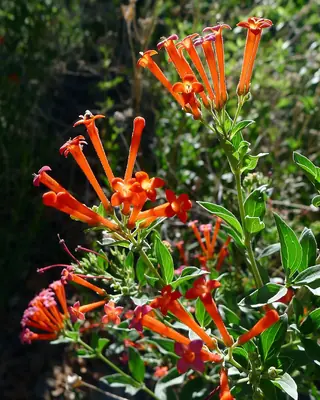 Firecracker PenstemonPenstemon eatonii18 to 36 inlow waterColorado nativeUSDA 3 to 8
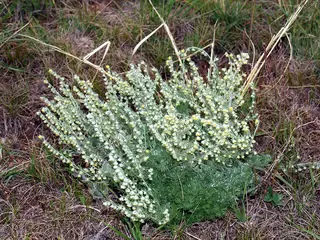 Fringed SageArtemisia frigida12 inlow waterColorado nativeUSDA 3 to 9
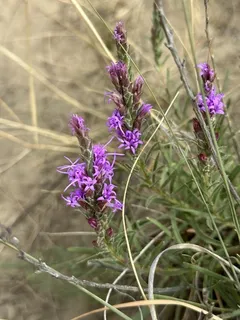 GayfeatherLiatris punctata24 inlow waterColorado nativeUSDA 3 to 9
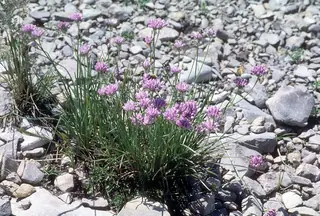 Geyer’s onionAllium geyeri12 inlow to medium waterColorado nativeUSDA 3 to 9
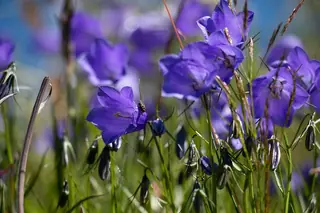 HarebellsCampanula rotundifolia12 inlow waterColorado nativeUSDA 3 to 8
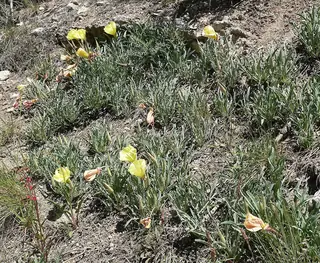 Howard’s Evening-PrimroseOenothera howardii6 inlow waterColorado nativeUSDA 4 to 8
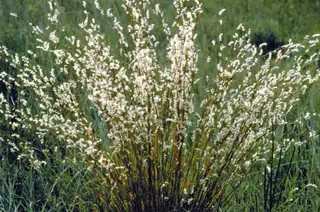 Little Bluestem GrassSchizachyrium scoparium24 to 36 inlow waterColorado nativeUSDA 3 to 9
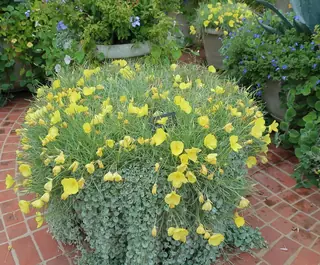 Missouri Evening PrimroseOenothera macrocarpa6 to 12 inlow waterColorado nativeUSDA 4 to 8
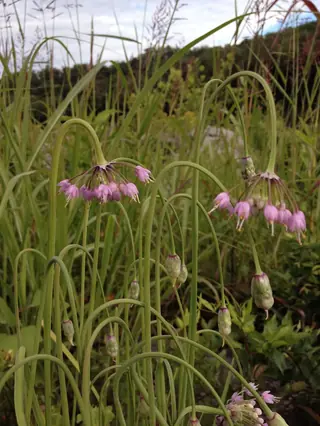 nodding onionAllium cernuum12 inlow to medium waterColorado nativeUSDA 3 to 9
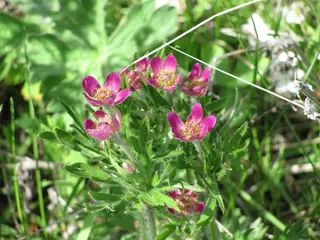 Pacific WindflowerAnemone multifida8 to 12 inlow to medium waterColorado nativeUSDA 4 to 8
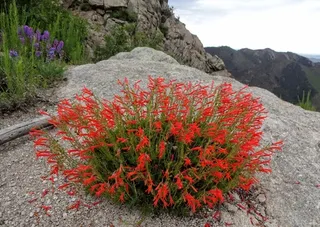 Pineleaf PenstemonPenstemon pinifolius12 to 18 inlow waterColorado nativeUSDA 3 to 8
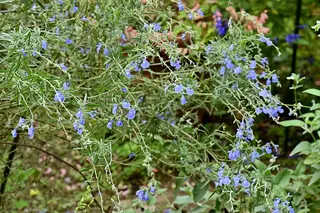 Pitcher SageSalvia azurea36 inlow waterColorado nativeUSDA 4 to 9
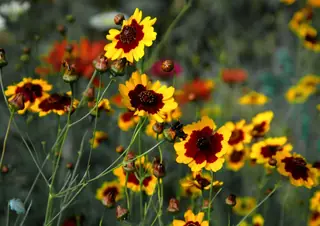 plains coreopsisCoreopsis tinctoria36 inlow to medium waterColorado nativeUSDA 3 to 9
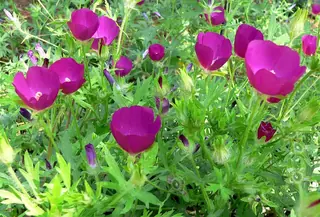 Poppy MallowCallirhoe involucrata6 inlow waterColorado nativeUSDA 4 to 8
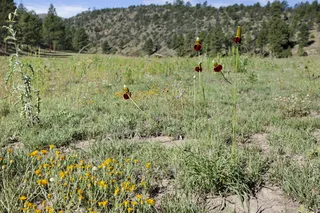 Prairie ConeflowerRatibida columnifera18 inlow waterColorado nativeUSDA 3 to 10
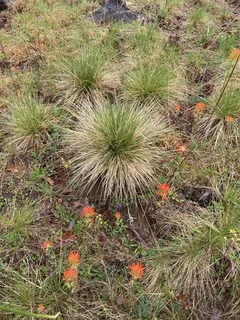 Prairie Dropseed GrassSporobolus heterolepis24 to 30 inlow waterColorado nativeUSDA 3 to 9
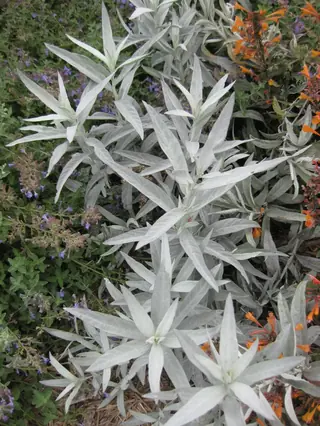 Prairie SageArtemisia ludoviciana18 inlow waterColorado nativeUSDA 3 to 9
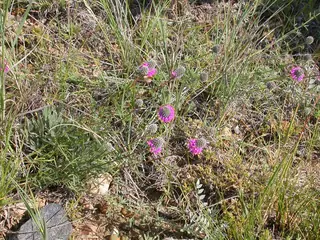 Purple Prairie CloverDalea purpurea24 inlow to medium waterColorado nativeUSDA 3 to 9
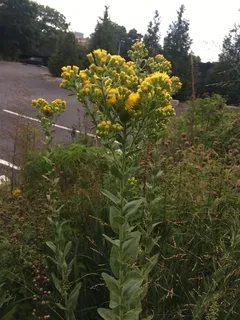 Rigid GoldenrodSolidago rigida36 to 60 inlow to medium waterColorado nativeUSDA 3 to 9
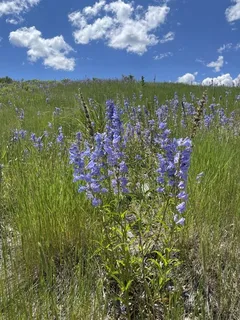 Rocky Mountain PenstemonPenstemon strictus30 inlow to medium waterColorado nativeUSDA 3 to 8
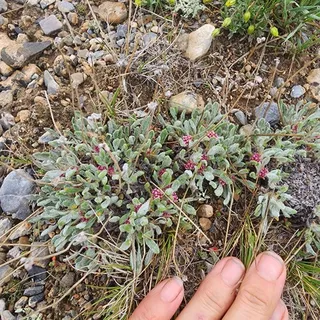 rosy pussytoesAntennaria rosea6 inlow to medium waterColorado nativeUSDA 3 to 8
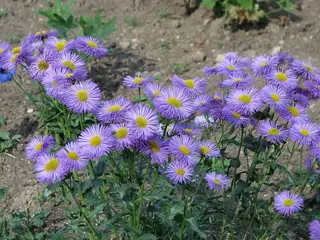 Showy FleabaneErigeron speciosus12 to 24 inlow to medium waterColorado nativeUSDA 3 to 8
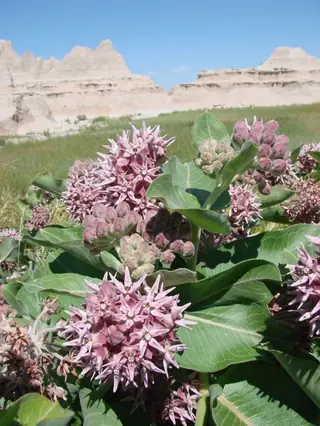 Showy MilkweedAsclepias speciosa30 inlow waterColorado nativeUSDA 3 to 9
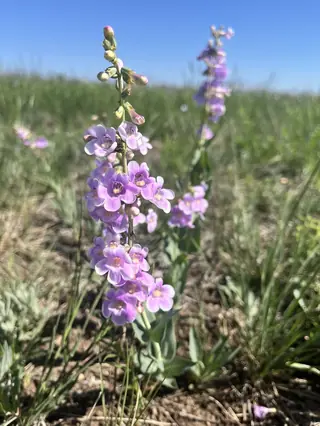 Side-bells PenstemonPenstemon secundiflorus20 inlow to medium waterColorado nativeUSDA 3 to 8
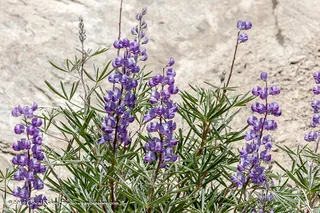 silvery lupineLupinus argenteus12 to 36 inlow to medium waterColorado nativeUSDA 4 to 8
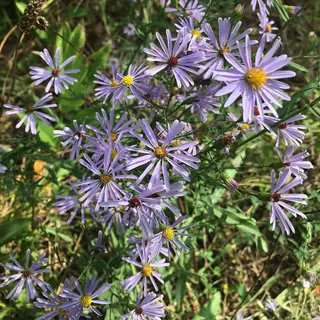 Smooth AsterSymphyotrichum laeve24 to 36 inlow to medium waterColorado nativeUSDA 3 to 8
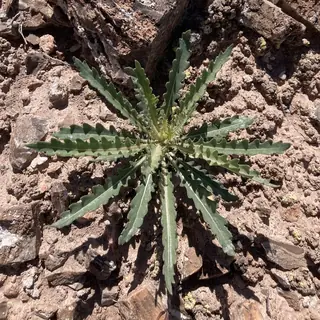 Star Flower/Blazing-StarMentzelia decapetala28 inlow waterColorado nativeUSDA 4 to 8
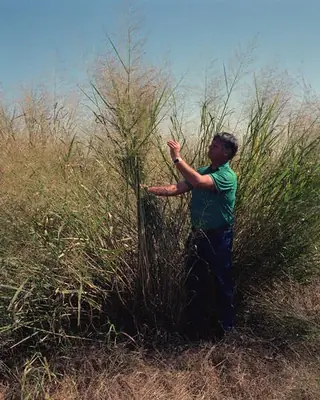 SwitchgrassPanicum virgatum36 to 72 inlow to medium waterColorado nativeUSDA 4 to 9
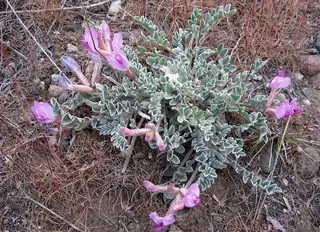 Utah milkvetchAstragalus utahensis6 inlow waterColorado nativeUSDA 3 to 8
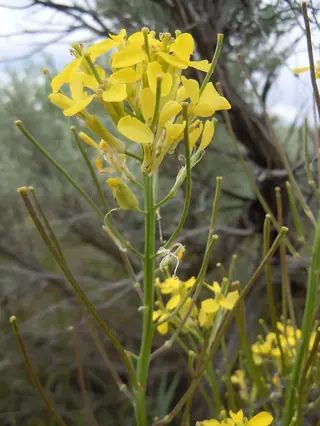 western wallflowerErysimum capitatum12 inlow to medium waterColorado nativeUSDA 3 to 9
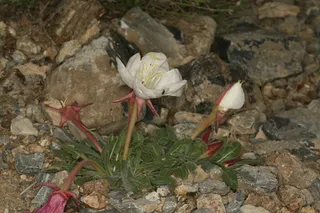 White-tufted Evening-PrimroseOenothera caespitosa6 inlow to medium waterColorado nativeUSDA 4 to 8
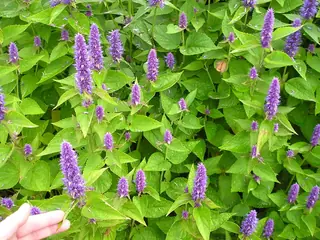 Anise HyssopAgastache foeniculum24 to 36 inlow to medium waterUSDA 4 to 10
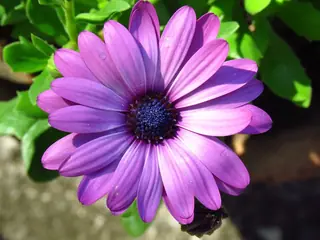 Avalanche White Sun DaisyOsteospermum 'Avalanche'6 to 8 inlow to medium water
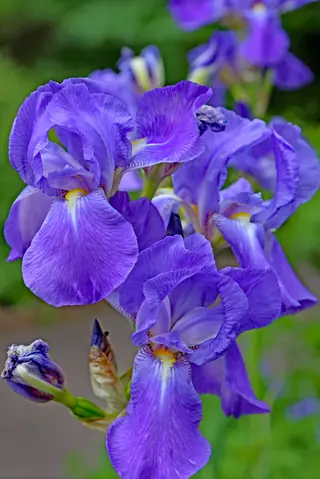 bearded irisIris germanica12 to 36 inlow to medium waterUSDA 3 to 9
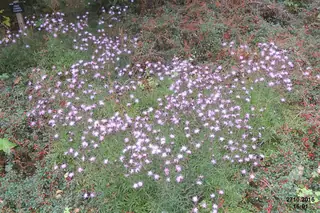 Bellina Pink CornflowerPsephellus simplicicaulis10 to 14 inlow waterUSDA 3 to 8
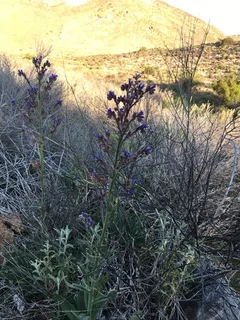 Cape Forget-Me-NotAnchusa capensis12 to 18 inlow to medium waterUSDA 3 to 8
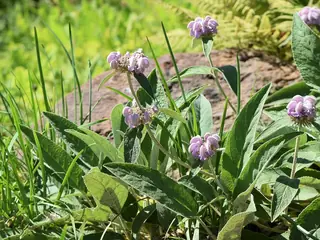 Cashmere SagePhlomis cashmeriana24 to 36 inlow to medium waterUSDA 4 to 9
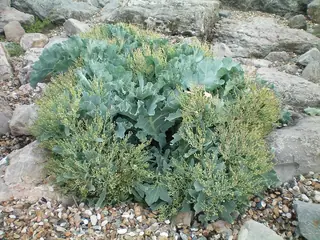 Curly-Leaf Sea KaleCrambe maritima24 to 30 inlow to medium waterUSDA 5 to 9
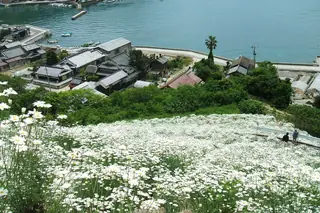 Dalmatian DaisyTanacetum cinerariifolium18 to 24 inlow waterUSDA 3 to 8
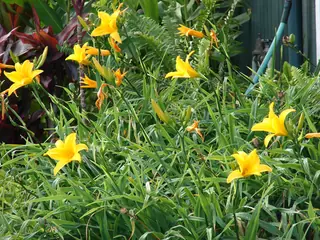 dayliliesHemerocallis sp.12 to 36 inlow to medium waterUSDA 3 to 9
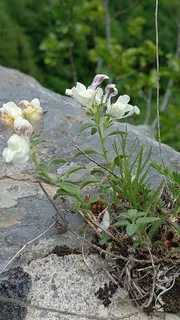 DREW'S FOLLY Hardy SnapdragonAntirrhinum sempervirens 'P020S'6 to 10 inlow water
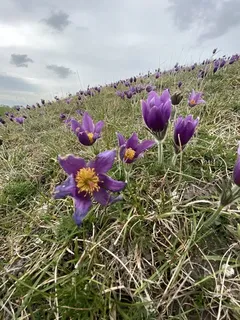 European Pasque FlowerPulsatilla vulgaris8 to 12 inlow to medium waterUSDA 4 to 8
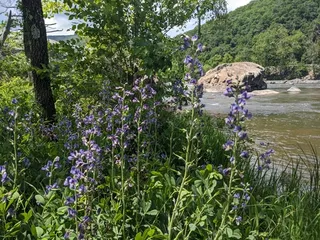 False IndigoBaptisia australis36 to 48 inlow to medium waterUSDA 3 to 9
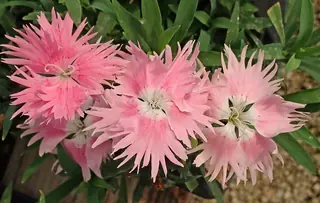 FIRST LOVE DianthusDianthus 'First Love'10 to 14 inlow to medium waterUSDA 3 to 9
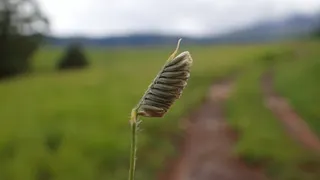 FREEDA Caterpillar GrassHarpochloa falx 'Compact Black'10 to 14 inlow to medium water
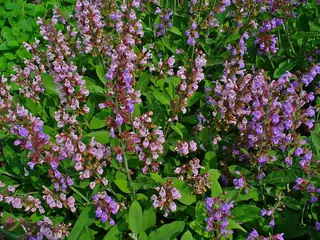 Garden SageSalvia officinalis24 inlow to medium waterUSDA 4 to 9
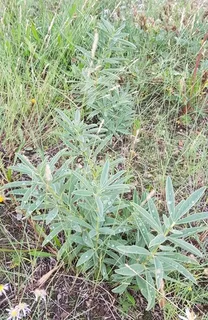 Golden CandlesThermopsis lanceolata24 to 36 inlow to medium waterUSDA 3 to 9
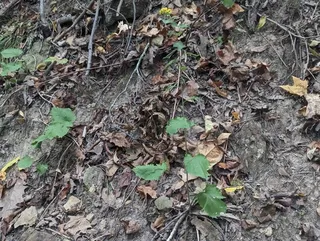 Golden FleeceSolidago sphacelata12 to 18 inlow waterUSDA 3 to 9
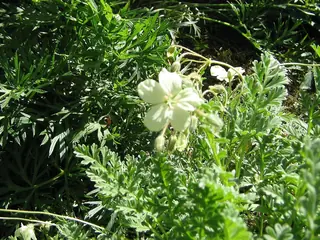 Golden StorksbillErodium chrysanthum6 to 10 inlow waterUSDA 5 to 8
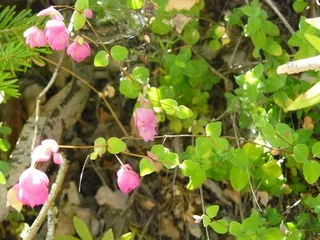 Hopflower OreganoOriganum libanoticum18 to 24 inlow waterUSDA 4 to 9
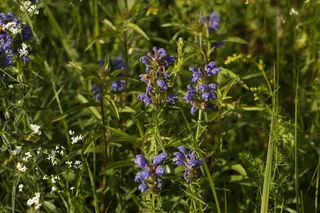 Indigo Blue DragonheadDracocephalum ruyschiana12 to 18 inlow to medium waterUSDA 3 to 8
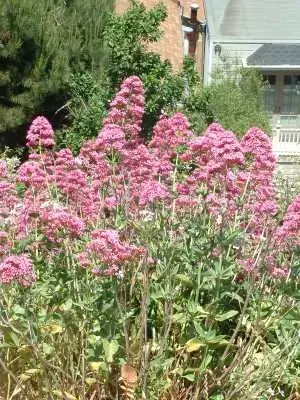 Jupiter’s beardCentranthus ruber24 to 30 inlow to medium waterUSDA 5 to 8
- LA VETA LACE GeraniumGeranium magniflorum 'P013S'8 to 12 inlow to medium waterUSDA 4 to 8
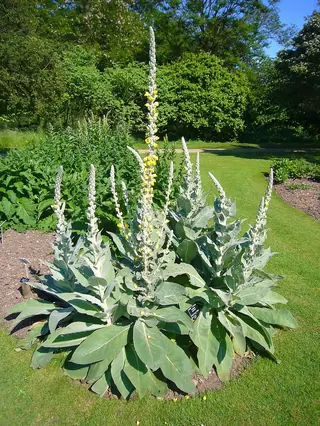 Letitia Flannel PlantVerbascum 'Letitia'8 to 12 inlow waterUSDA 4 to 8
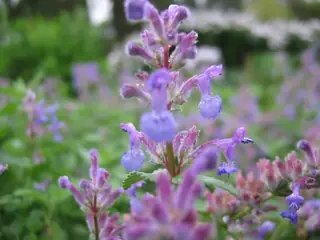 LITTLE TRUDY CatmintNepeta 'Psfike'8 to 10 inlow waterUSDA 3 to 8
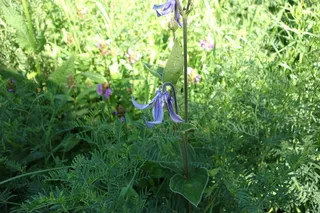 MONGOLIAN BELLS ClematisClematis integrifolia 'PSHarlan'18 to 24 inlow to medium waterUSDA 4 to 9
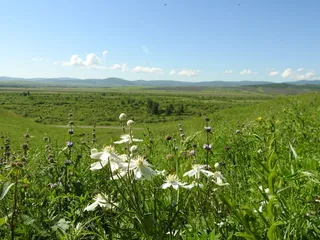 Mongolian SnowflakesClematis hexapetala18 to 24 inlow to medium waterUSDA 4 to 9
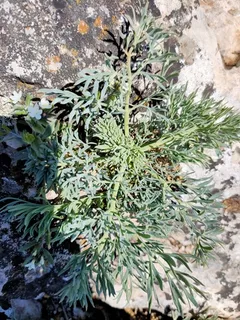 Moon CarrotSeseli gummiferum24 to 36 inlow waterUSDA 4 to 8
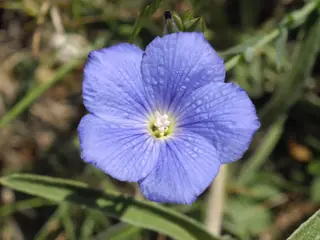 Narbonne Blue FlaxLinum narbonense12 to 18 inlow waterUSDA 4 to 9
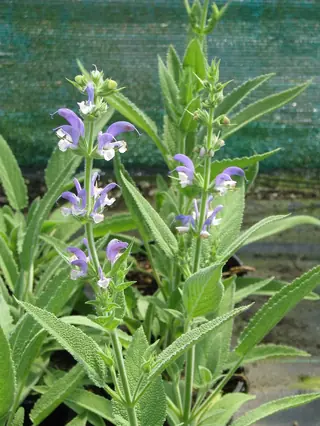 OLYMPUS Gold Leaf SageSalvia chrysophylla8 to 12 inlow waterUSDA 4 to 9
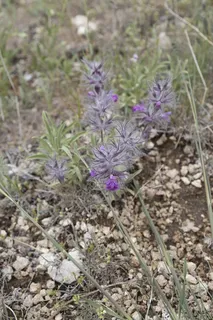 Pink Cotton Lamb's EarStachys lavandulifolia8 to 12 inlow waterUSDA 4 to 8
- Pink Pele irisIris 'Pink Pele'16 to 20 inlow to medium waterUSDA 3 to 9
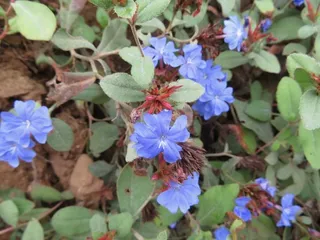 PlumbagoCeratostigma plumbaginoides6 to 10 inlow waterUSDA 5 to 9
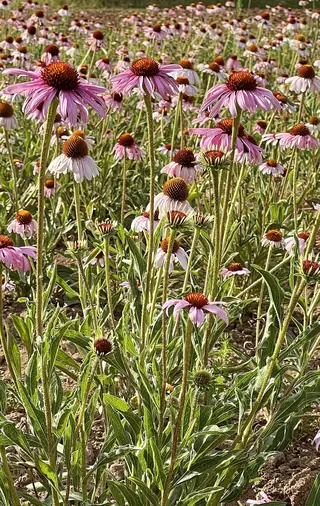 Purple ConeflowerEchinacea purpurea24 to 36 inlow to medium waterUSDA 3 to 9
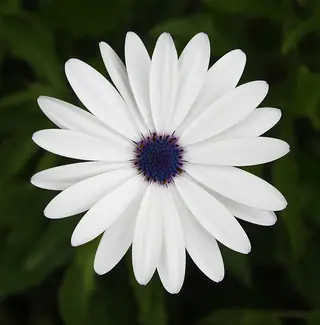 PURPLE MOUNTAIN Sun DaisyOsteospermum barberae 'P005S'6 to 10 inlow to medium water
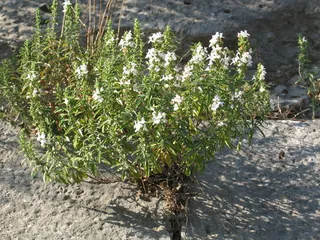 Purple Winter SavorySatureja montana8 to 12 inlow waterUSDA 5 to 8
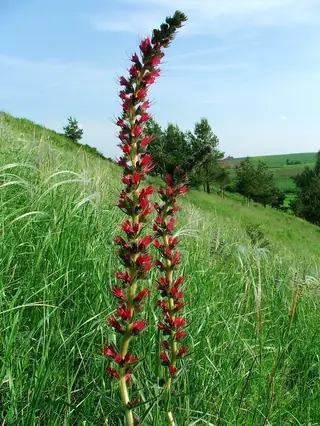 Red FeathersPontechium maculatum12 to 18 inlow waterUSDA 5 to 8
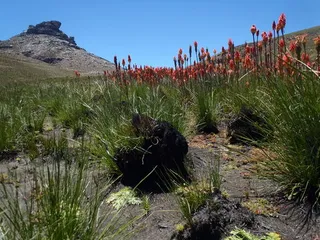 red hot pokerKniphofia uvaria36 inlow waterUSDA 5 to 9
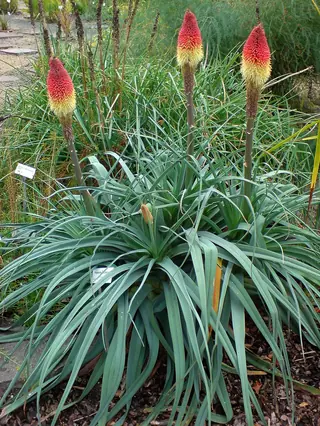 Regal TorchlilyKniphofia caulescens24 to 36 inlow to medium waterUSDA 5 to 9
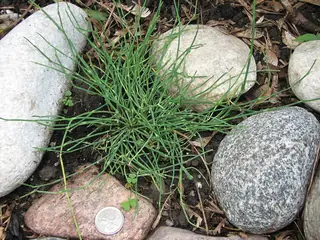 Regel’s jointfirEphedra regeliana6 to 12 inlow waterUSDA 5 to 9
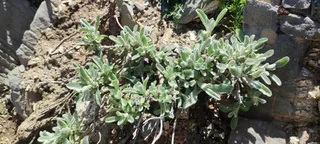 SARADA'S Greek Mountain TeaSideritis syriaca 'P023S'8 to 12 inlow waterUSDA 5 to 9
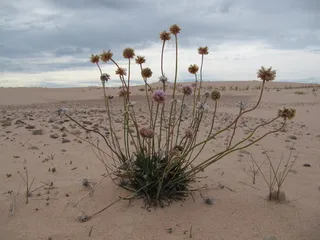 sea thriftArmeria maritima6 inlow to medium waterUSDA 3 to 9
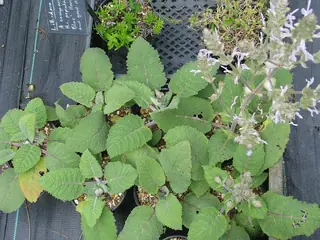 Shangri-La SageSalvia moorcroftiana x indica30 to 48 inlow to medium waterUSDA 4 to 9
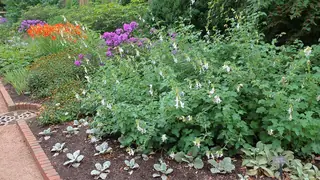 Silver SageSalvia argentea18 to 30 inlow waterUSDA 4 to 9
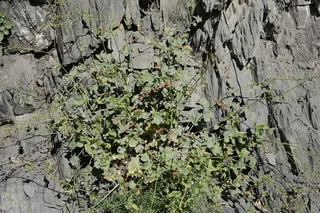 Silver Shield French SorrelRumex scutatus 'Silver Shield'6 to 10 inlow to medium waterUSDA 4 to 8
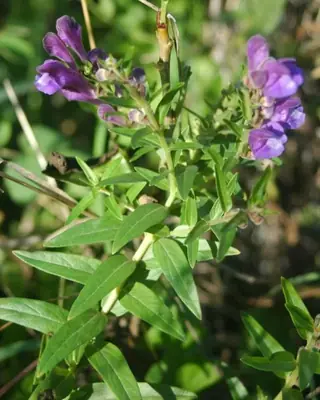 SKY'S EDGE ScutellariaScutellaria 'Pat Hayward'8 to 12 inlow waterUSDA 4 to 8
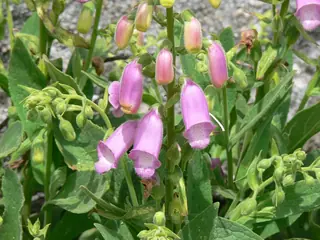 SPANISH PEAKS FoxgloveDigitalis thapsi12 to 18 inlow to medium waterUSDA 4 to 9
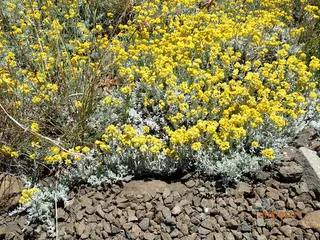 STEPPESUNS HokubetsiHelichrysum trilineatum 'P021S'10 to 14 inlow waterUSDA 5 to 9
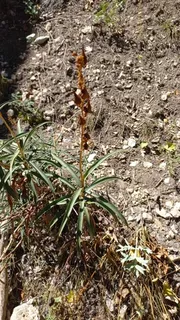 SUNSET FoxgloveDigitalis obscura 'Sunset'18 to 24 inlow to medium waterUSDA 4 to 9
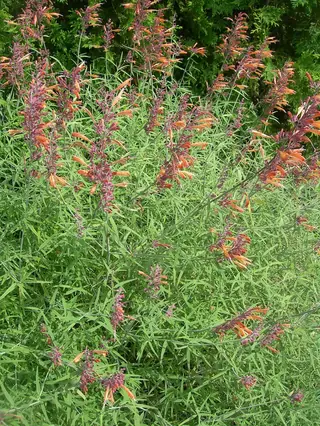 Sunset HyssopAgastache rupestris24 to 36 inlow waterUSDA 4 to 10
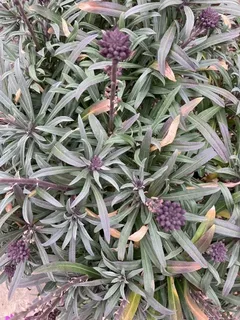 wallflowerErysimum linifolium12 to 36 inlow waterUSDA 3 to 9
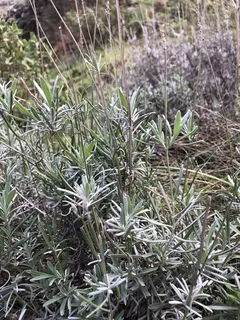 Wee One Dwarf English LavenderLavandula angustifolia 'Wee One'10 to 12 inlow waterUSDA 5 to 9
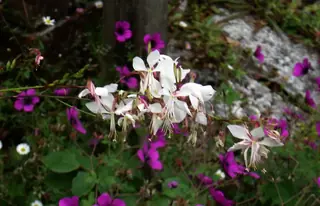 Whirling ButterfliesGaura lindheimeri24 to 36 inlow to medium waterUSDA 5 to 9
- Yellow clematisClematis tibetana72 to 144 inlow to medium waterUSDA 5 to 9
Frequently asked questions
- What are the best drought-tolerant perennials for Colorado?
- Our top-ranked picks for Front Range yards are Black-eyed Susan, Chocolate Flower, Gayfeather, and Letitia Flannel Plant. Of the 96 perennials on this page, 51 are rated low water and 45 low-to-medium. All of them need regular water through their first summer before they get by on less.
- Which low-water perennials grow in part shade?
- 31 of the 96 take part shade as well as full sun, including Blue Flax, European Pasque Flower, False Indigo, and Golden Candles. The other 65 want full sun, which most dry-land plants do.
- Are there low-water ornamental grasses for Colorado?
- Yes. Little Bluestem Grass, Prairie Dropseed Grass, Switchgrass, and FREEDA Caterpillar Grass are on this list, each rated low or low-to-medium water. 5 more low-water grasses and sedges, such as Blue fescue and Blue grama grass, are on our groundcover lists.
- Which of these are Plant Select plants?
- 35 of the 96, including Letitia Flannel Plant, Bellina Pink Cornflower, and Moon Carrot. Plant Select is a nonprofit started by Colorado State University, Denver Botanic Gardens and professional horticulturists to pick plants for landscapes from the intermountain region to the high plains.
- How long until low-water perennials are drought tolerant?
- Plan on most of three growing seasons. Denver Water's schedule for new plants waters twice a week in the first summer, once a week in the second, and every one to two weeks in the third. Plant Select and Denver Botanic Gardens say xeric plants need about 1 inch of water a month, rain plus irrigation, until they establish.
- How big do these perennials get?
- Mature heights range from about 6 to 144 in across the 96 perennials on this list. Each plant's page lists its exact mature size and spread.
- Which of these are Colorado native?
- 43 of the 96 perennials are Colorado natives, including Bee Balm/Horsemint, Bigelow's Tansyaster, Black-eyed Susan, and Blanketflower.
- How were these plants selected?
- All 96 perennials are rated low or low-to-medium water in our plant records, which draw on CSU Extension, the Colorado Native Plant Society, Plant Select and Resource Central references; each plant page lists its own sources. The top picks follow the rule stated with them. This is a reference guide, not a paid listing.
Sources
The watering and soil guidance comes from the pages below. Water ratings, sizes, hardiness and native status come from each plant's record; each plant page lists its own sources.