nodding onion
Allium cernuum
nodding onion (Allium cernuum) is a Colorado-native perennial suited to the Colorado Front Range. It matures to about 12 in tall and 6 to 12 in wide, needs low to medium water, and prefers full sun to partial shade. Fire-wise zone 1-2 perennial; CSU 6.305 score 10.0 of 10.
Colorado nativeOn the CSFS firewise listlow to medium water12 in tall and 6 to 12 in wideXeric / water-wiseLow ignitability: OK 0-30 ft from the house, CSU score 10/10Toxic to dogs
Photos
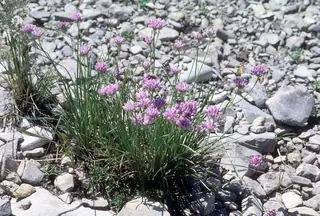
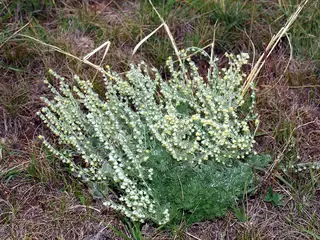
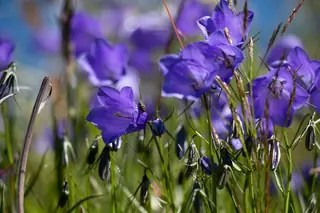
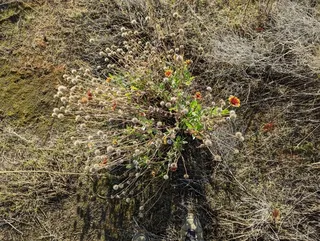
- Photo 1: "Allium cernuum, flower. C & O Canal Park, Montgomery co., MD. (6/05/12)" by FritzFlohrReynolds is licensed under CC BY-SA 2.0. To view a copy of this license, visit https://creativecommons.org/licenses/by-sa/2.0/.
- Photo 2: "Allium cernuum" by Matt Lavin is licensed under CC BY-SA 2.0. To view a copy of this license, visit https://creativecommons.org/licenses/by-sa/2.0/.
- Photo 3: "Allium cernuum" by Matt Lavin is licensed under CC BY-SA 2.0. To view a copy of this license, visit https://creativecommons.org/licenses/by-sa/2.0/.
- Photo 4: Walter Siegmund (talk), Wikimedia Commons (CC-BY-SA)
- Photo 5: "nodding onion Allium cernuum" by Paul and Jill is licensed under CC BY 2.0. To view a copy of this license, visit https://creativecommons.org/licenses/by/2.0/.
- Photo 6: ghislain118 http://www.fleurs-des-montagnes.net
At a glance
Will it survive here?
- Hardiness zones
- USDA 3 to 9
- Water needs
- low to medium water
- Sun
- Best in full sun; tolerates partial shade.
- Soil
- clay, loam, sandy
- Soil pH
- 6.5 to 8.0
- Hail tolerance
- high
- Wind tolerance
- high
- Salt tolerance
- moderate
- Site uses
- Slopes & erosion control
How big, what shape?
- Mature size
- 12 in tall and 6 to 12 in wide
- Planting spacing
- ~8 to 12 in apart
What it looks like, and when
- Bloom time
- early summer
- Bloom color
- pink, purple
- Bloom length
- Long (several weeks)
- Foliage
- Deciduous
Who else benefits
- Pollinator value
- high
- Deer
- Deer often browse this
- Colorado native
- Yes
- Native ecoregion
- shortgrass prairie, foothills
Also worth knowing
- Fire rating
- Low ignitability: OK 0-30 ft from the house, CSU score 10/10
Things to know before you plant
- Toxic to dogsConsidered toxic to dogs, so keep pets away from it and check with your vet.
Planting & establishment
Deep-water first season to establish, then minimal water needed.
Frequently asked questions
- Is nodding onion good for the Colorado Front Range?
- Yes, nodding onion is a well-suited perennial for Colorado's Front Range.
- What should I know before planting nodding onion?
- The main things to know: Considered toxic to dogs, so keep pets away from it and check with your vet.
- How big does nodding onion get?
- It matures to about 12 in tall and 6 to 12 in wide.
- How far apart do I plant nodding onion?
- Space nodding onion about 8 in apart for a faster, fuller bed, or up to 12 in apart for a looser planting.
- Is nodding onion hardy on the Front Range?
- nodding onion is hardy in USDA 3 to 9. The Colorado Front Range spans roughly USDA 4b to 6a, so it is well within range.
- How much water does nodding onion need?
- It needs low to medium water once established.
- Is nodding onion safe for dogs?
- No. nodding onion is considered toxic to dogs. Keep pets away and check with your vet.
- Is nodding onion deer-resistant?
- No. Deer often browse nodding onion, so plan on protecting it where deer roam.
- Is nodding onion a good firewise plant near the house?
- nodding onion is rated 10 of 10 in CSU Extension Fact Sheet 6.305 (2025), where higher means less ignitable, so it can go within 0 to 5 feet of the house as well as out to 30 feet when kept watered and tidy. This is general guidance based on CSU Extension Fact Sheet 6.305 (2025), not a guarantee that any plant won't burn, a well-irrigated, well-maintained plant is the goal. Follow CSU Extension defensible-space guidance and check with your local fire district before planting in the wildland-urban interface.
- How long does nodding onion bloom?
- nodding onion blooms for several weeks, a long-season performer on the Front Range. Bloom timing shifts a week or two with elevation and spring weather.