Deer-resistant plants and shrubs for Colorado's Front Range
Quick answer
The best deer-resistant shrubs for Front Range yards are Fernbush, Apache plume, and Leadplant. For trees, Thornless Common Honeylocust and Downy Hawthorn; for perennials, Black-eyed Susan and Chocolate Flower; for groundcover, Mat penstemon. Deer usually pass these by, but no plant is deer-proof: CSU Extension calls fencing the only sure fix.
Trees, shrubs, groundcover, and perennials that deer tend to leave alone, useful where browsing pressure is high along the Front Range foothills. No plant is truly deer-proof: a hungry deer will sample almost anything, and fresh spring growth takes the most damage.
Top picks by type
Jump to
Every pick is rated deer resistant, hardy to zone 4, fine in alkaline soil, low or low-to-medium water, and free of invasive, spreading, dog-toxicity and fails-here flags (trees must also be Recommended on the 2024 Front Range Tree Recommendation List, and we leave out elms because of Dutch elm disease); picks then score a point each for Colorado native, low water, in stock at a retailer we track, Plant Select, high pollinator value, and (trees) Recommended for Most Sites, with ties going alphabetically.
Top 8 shrubs
- 1FernbushFern-like aromatic foliage.
- 2Apache plumeIconic native, white flowers in summer, pink feathery seed plumes through fall.
- 3LeadplantNitrogen-fixing native legume; purple flower spikes in summer; deer-resistant.
- 4Platinum sageSilver leaves + violet-blue blooms.
- 5Wax currantPink-white tube flowers attract hummingbirds; red waxy fruits sparse, bird food only.
- 6BLUE VELVET® honeysucklePink flowers in late spring; red berries; blue-green velvety foliage; deer-resistant.
- 7Curlleaf mountain mahoganyEvergreen native large shrub / small tree.
- 8Mountain mahoganyIconic foothills native.
Top 6 trees
- 1Thornless Common Honeylocust (NORTHERN ACCLAIM®)Rated Recommended for Most Sites, yellow fall color, 30 to 45 ft tall, takes a hot south wall. Note: wrap young trees.
- 2Downy HawthornRated Recommended for Most Sites, white flowers in spring, 25 to 30 ft tall. Note: rust.
- 3Gambel OakBronze and red fall color, 15 to 30 ft tall, good on slopes. Note: shrubby habit; susceptible to galls.
- 4One-seed JuniperIrregular, picturesque needled evergreen, 10 to 20 ft tall, good on slopes. Note: needs a dry site.
- 5Russian HawthornWhite flowers in spring, 15 to 20 ft tall.
- 6Cockspur var. inermis HawthornWhite flowers in spring, 20 to 30 ft tall, tough enough for a hellstrip. Note: plant Select®.
Top 8 perennials
- 1Black-eyed SusanYellow and brown flowers in summer into fall, low water, 24 in tall.
- 2Chocolate FlowerYellow flowers in spring into summer, low water, 18 in tall.
- 3GayfeatherPurple and pink flowers in summer into fall, low water, 24 in tall.
- 4Beardlip penstemonNative penstemon with vivid red tubular flowers, hummingbird magnet.
- 5BlanketflowerYellow and red flowers in summer into fall, low water, 12 in tall.
- 6Blue FlaxBlue flowers in spring into summer, low water, 18 in tall.
- 7Desert Four O’ClockPurple and pink flowers in summer into fall, low water, 18 in tall.
- 8Firecracker PenstemonFiery scarlet tubular flowers; hummingbird magnet; very drought tolerant evergreen rosette.
Top 6 groundcovers
- 1Mat penstemonNative mat-forming penstemon with intense blue-purple blooms.
- 2Orange carpet / hummingbird trumpetTubular orange-red flowers explode in late summer when little else blooms.
- 3Sulfur buckwheatNative pollinator powerhouse.
- 4Creeping thyme / wild thymeAromatic; takes light foot traffic.
- 5Evergreen candytuftSheets of pure white spring blooms over evergreen foliage.
- 6Russian stonecropMore restrained than S. spurium; star-shaped yellow blooms age to orange.
Deer resistant is not deer proof
CSU Extension puts it plainly: a hungry deer will find almost any plant palatable, so no plant is deer proof. The same species can be left alone in one neighborhood and hammered in the next, and damage shows up most in spring, on new, succulent growth. Read every rating here as "deer usually pass on this", not a promise.
- Use these as a buffer. CSU Extension suggests planting the tastier things near the house, in a fenced area, or inside a ring of less-preferred plants.
- Water and feed lightly. CSU PlantTalk notes that natives in their own habitat appeal to deer less than heavily watered, heavily fertilized garden plants, and Colorado Parks and Wildlife says deer often prefer non-native shrubs.
- Repellents work best on plants deer already dislike, per CSU, so they pair well with this list. The egg-and-water spray CSU rates highly needs reapplying about every 30 days.
- Fence what you cannot lose. CSU calls adequate fencing the only sure way to stop deer damage (its standard deer fence is 8 ft woven wire); CPW calls a fence 6 ft or taller the most effective way to keep deer out.
- Do not feed them. Feeding deer is illegal in Colorado, per CPW, and it pulls more of them into your yard.
Plan your garden
Not sure what to plant? The finder matches Front Range trees, shrubs, perennials, and groundcover to your soil, water, sun, and zone.
All 112 plants
Browse the full list
Shrubs (26)
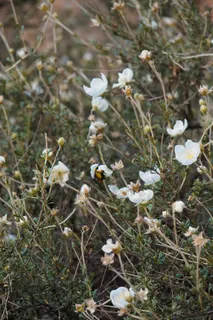 Apache plumeFallugia paradoxa4 to 6 ftlow waterColorado nativeUSDA 4 to 9
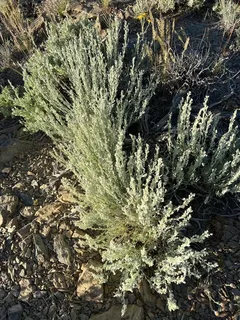 Big sagebrushArtemisia tridentata3 to 8 ftlow waterColorado nativeUSDA 3 to 9
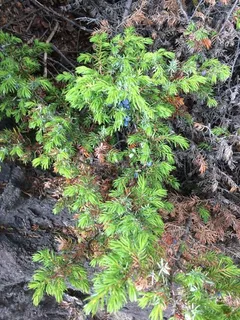 Common juniperJuniperus communis2 to 4 ftlow waterColorado nativeUSDA 2 to 7
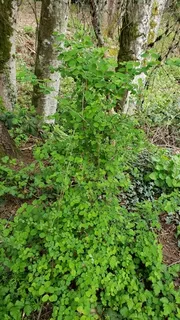 Common snowberrySymphoricarpos albus3 to 5 ftlow to medium waterColorado nativeUSDA 3 to 7
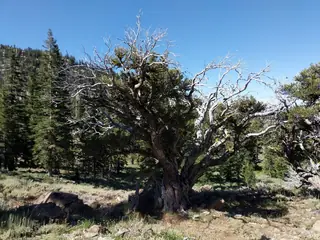 Curlleaf mountain mahoganyCercocarpus ledifolius10 to 20 ftlow waterColorado nativeUSDA 3 to 8
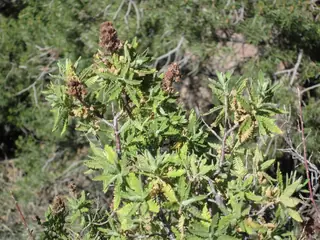 FernbushChamaebatiaria millefolium4 to 6 ftlow waterColorado nativeUSDA 4 to 8
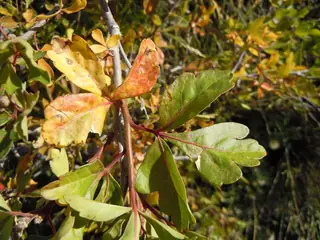 Fragrant sumacRhus aromatica2 to 3 ftlow to medium waterColorado nativeUSDA 3 to 9
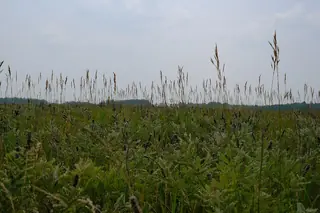 LeadplantAmorpha canescens2 to 4 ftlow waterColorado nativeUSDA 4 to 9
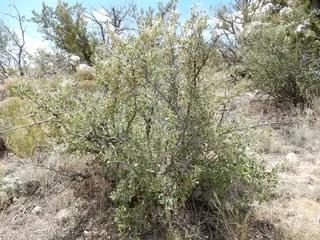 Mountain mahoganyCercocarpus montanus6 to 12 ftlow waterColorado nativeUSDA 3 to 8
 New Mexico privetForestiera neomexicana6 to 12 ftlow waterColorado nativeUSDA 4 to 8
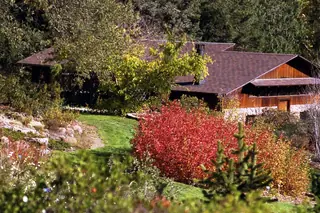 Red twig / red osier dogwoodCornus sericea6 to 10 ftmedium to high waterColorado nativeUSDA 2 to 7
 Rubber rabbitbrushEricameria nauseosa3 to 6 ftlow waterColorado nativeUSDA 4 to 9
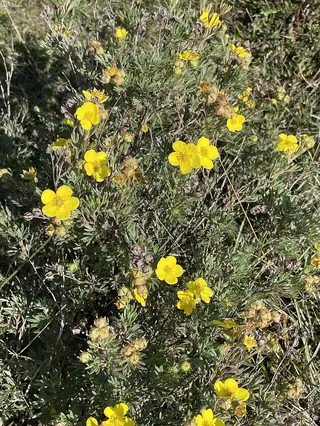 Shrubby cinquefoilPotentilla fruticosa2 to 4 ftlow to medium waterColorado nativeUSDA 2 to 7
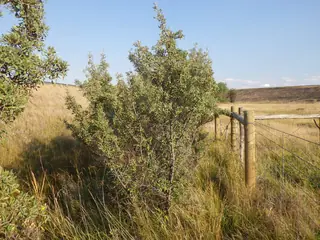 Silver buffaloberryShepherdia argentea8 to 18 ftlow waterColorado nativeUSDA 2 to 7
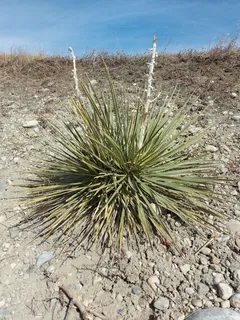 Small soapweed / Great Plains yuccaYucca glauca2 to 4 ftlow waterColorado nativeUSDA 3 to 9
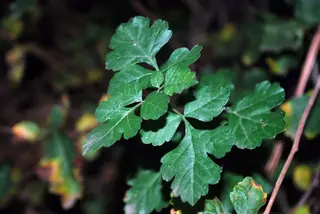 Three-leaf sumacRhus trilobata4 to 6 ftlow waterColorado nativeUSDA 3 to 9
 Wax currantRibes cereum3 to 5 ftlow waterColorado nativeUSDA 2 to 8
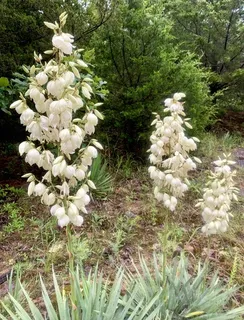 Adam's needle yuccaYucca filamentosa2 to 4 ftlow waterUSDA 4 to 10
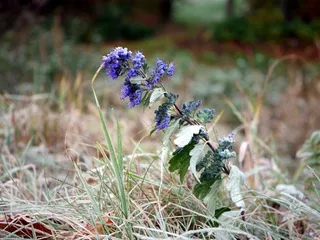 Blue mist spireaCaryopteris x clandonensis2 to 4 ftlow to medium waterUSDA 5 to 9
 BLUE VELVET® honeysuckleLonicera korolkowii 'Floribunda'8 to 12 ftlow to medium waterUSDA 3 to 9
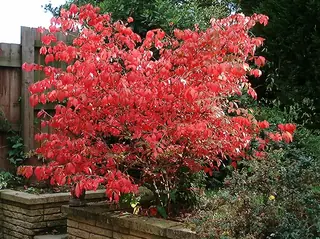 Burning bush / winged euonymusEuonymus alatus5 to 10 ftmedium waterUSDA 4 to 9
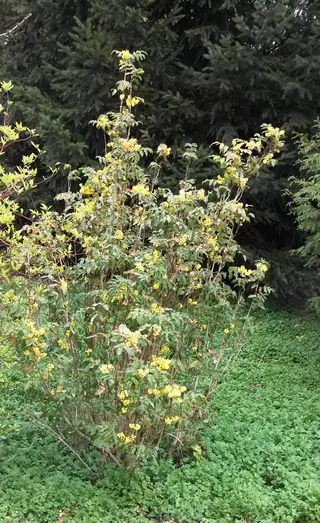 Compact Oregon grapeMahonia aquifolium 'Compactum'2 to 3 ftlow to medium waterUSDA 5 to 9
- Platinum sageSalvia daghestanica1 ftlow waterUSDA 4 to 9
 Russian sageSalvia yangii2 to 4 ftlow waterUSDA 4 to 9
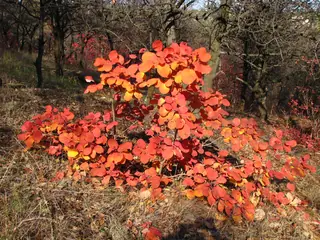 Smoke bush / smoke treeCotinus coggygria10 to 15 ftlow to medium waterUSDA 4 to 8
 SPANISH GOLD® broomCytisus purgans2 to 4 ftlow waterUSDA 5 to 8
Trees (18)
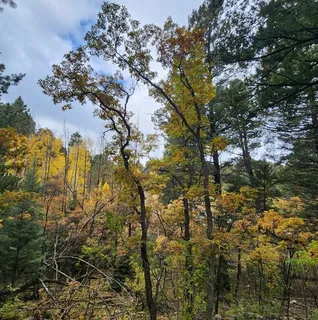 Gambel OakQuercus gambelii15 to 30 ftlow waterColorado nativeUSDA 3 to 8
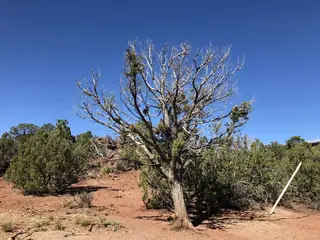 One-seed JuniperJuniperus monosperma10 to 20 ftlow waterColorado nativeUSDA 3 to 8
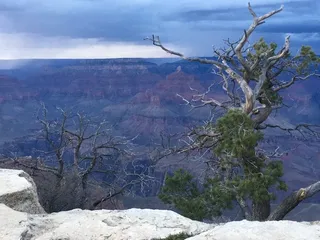 Pinyon PinePinus edulis15 to 30 ftlow to medium waterColorado nativeUSDA 4 to 8
 Ponderosa PinePinus ponderosa60 to 100 ftlow to medium waterColorado nativeUSDA 3 to 7
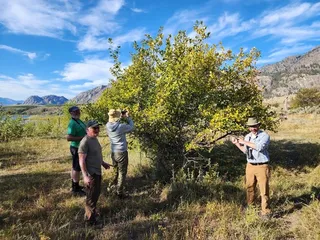 River/Douglas HawthornCrataegus douglasii20 to 30 ftmedium waterColorado nativeUSDA 4 to 8
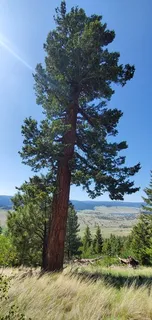 Rocky Mountain Douglas firPseudotsuga menziesii var. glauca40 to 80 ftmedium waterColorado nativeUSDA 4 to 6
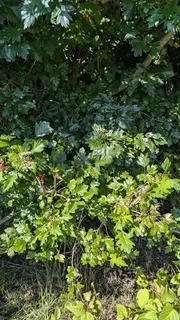 'Toba' HawthornCrataegus x mordenensis15 to 20 ftmedium waterUSDA 4 to 8
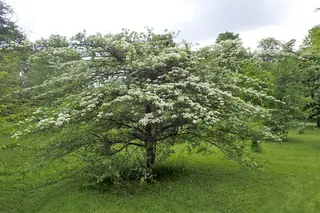 Cockspur var. inermis HawthornCrataegus crus-galli20 to 30 ftlow to medium waterUSDA 4 to 7
 Common ChokecherryPrunus virginiana15 to 25 ftlow to medium waterUSDA 2 to 7
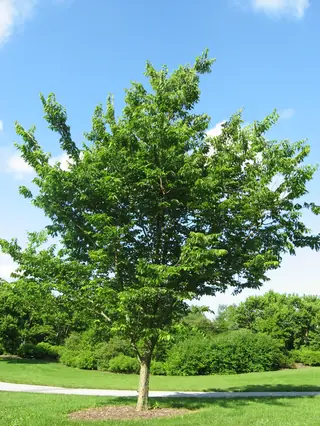 Common HackberryCeltis occidentalis40 to 60 ftlow to medium waterUSDA 3 to 9
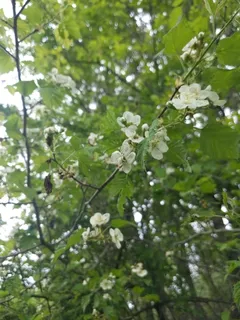 Downy HawthornCrataegus mollis25 to 30 ftlow to medium waterUSDA 4 to 8
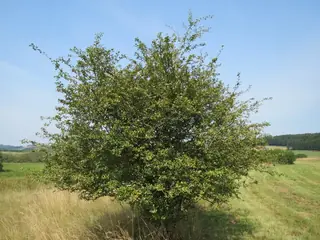 English HawthornCrataegus laevigata18 to 25 ftmedium waterUSDA 4 to 8
 Green HawthornCrataegus viridis20 to 30 ftlow to medium waterUSDA 4 to 8
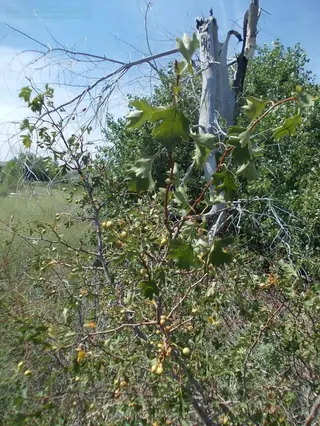 Russian HawthornCrataegus ambigua15 to 20 ftlow waterUSDA 4 to 8
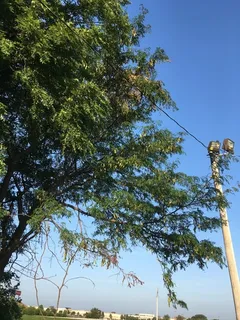 Thornless Common Honeylocust (IMPERIAL®)Gleditsia triacanthos40 to 50 ftlow to medium waterUSDA 3 to 9
- Thornless Common Honeylocust (NORTHERN ACCLAIM®)Gleditsia triacanthos30 to 45 ftlow to medium waterUSDA 3 to 9
- Thornless Common Honeylocust (SUNBURST®)Gleditsia triacanthos30 to 40 ftlow to medium waterUSDA 3 to 9
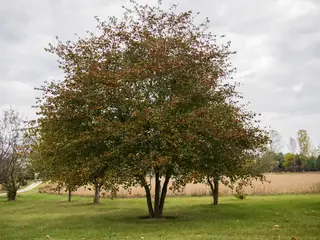 Washington HawthornCrataegus phaenopyrum25 to 30 ftmedium waterUSDA 4 to 8
Perennials (40)
 Beardlip penstemonPenstemon barbatus24 to 48 inlow waterColorado nativeUSDA 3 to 8
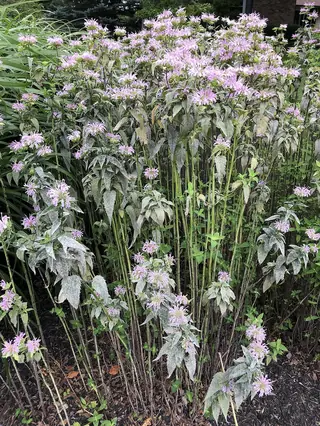 Bee Balm/HorsemintMonarda fistulosa24 inlow waterColorado nativeUSDA 3 to 9
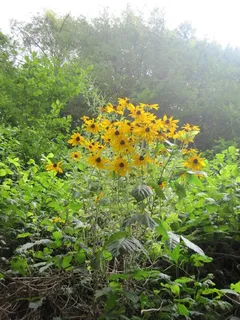 Black-eyed SusanRudbeckia hirta24 inlow waterColorado nativeUSDA 3 to 9
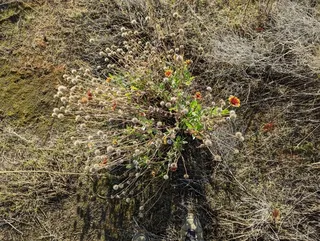 BlanketflowerGaillardia aristata12 inlow waterColorado nativeUSDA 3 to 10
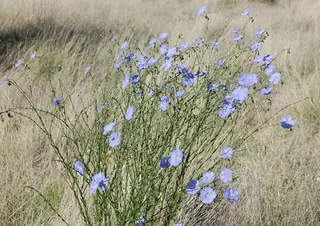 Blue FlaxLinum lewisii18 inlow waterColorado nativeUSDA 4 to 9
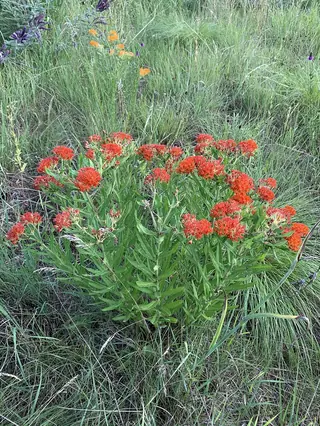 Butterfly MilkweedAsclepias tuberosa18 inlow waterColorado nativeUSDA 3 to 9
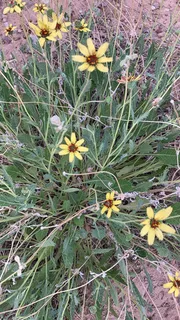 Chocolate FlowerBerlandiera lyrata18 inlow waterColorado nativeUSDA 4 to 9
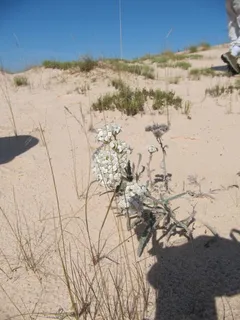 Common YarrowAchillea millefolium18 inlow waterColorado nativeUSDA 3 to 9
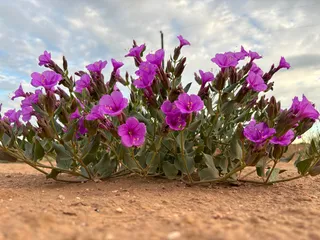 Desert Four O’ClockMirabilis multiflora18 inlow waterColorado nativeUSDA 4 to 9
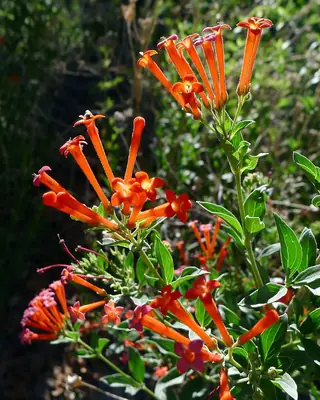 Firecracker PenstemonPenstemon eatonii18 to 36 inlow waterColorado nativeUSDA 3 to 8
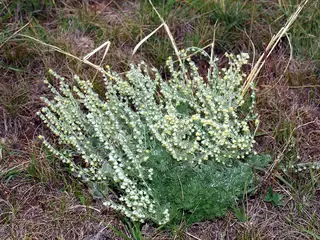 Fringed SageArtemisia frigida12 inlow waterColorado nativeUSDA 3 to 9
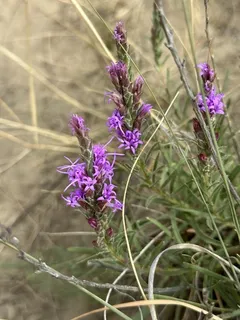 GayfeatherLiatris punctata24 inlow waterColorado nativeUSDA 3 to 9
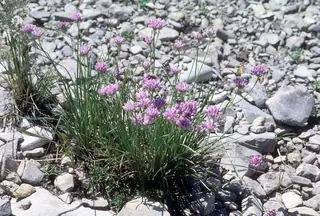 Geyer’s onionAllium geyeri12 inlow to medium waterColorado nativeUSDA 3 to 9
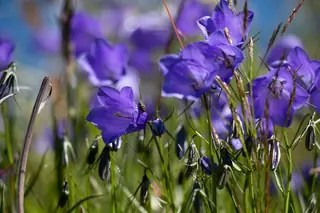 HarebellsCampanula rotundifolia12 inlow waterColorado nativeUSDA 3 to 8
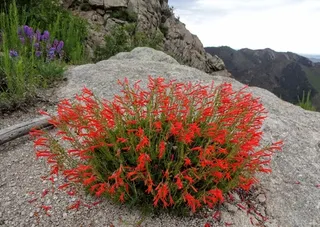 Pineleaf PenstemonPenstemon pinifolius12 to 18 inlow waterColorado nativeUSDA 3 to 8
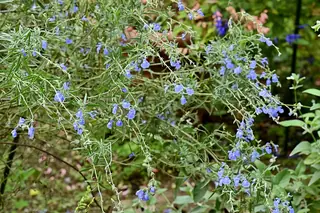 Pitcher SageSalvia azurea36 inlow waterColorado nativeUSDA 4 to 9
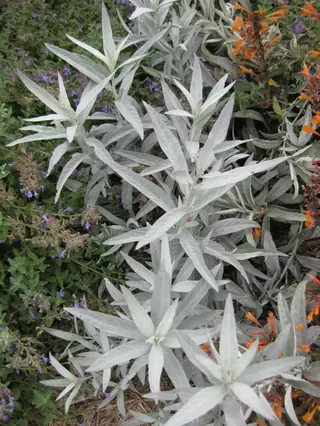 Prairie SageArtemisia ludoviciana18 inlow waterColorado nativeUSDA 3 to 9
 prairie smokeGeum triflorum18 inmedium to high waterColorado nativeUSDA 3 to 8
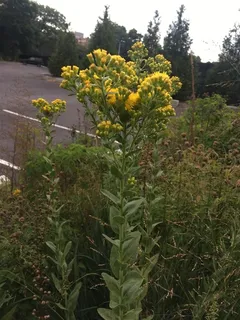 Rigid GoldenrodSolidago rigida36 to 60 inlow to medium waterColorado nativeUSDA 3 to 9
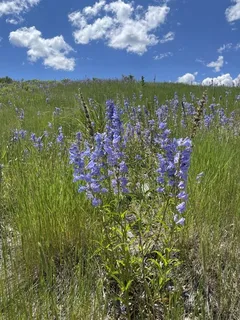 Rocky Mountain PenstemonPenstemon strictus30 inlow to medium waterColorado nativeUSDA 3 to 8
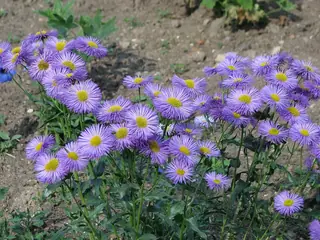 Showy FleabaneErigeron speciosus12 to 24 inlow to medium waterColorado nativeUSDA 3 to 8
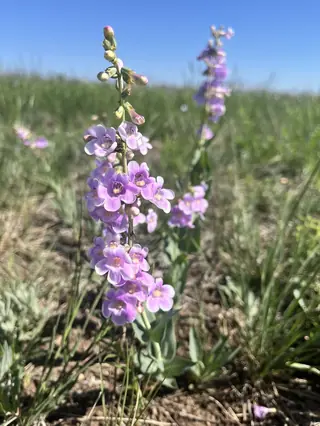 Side-bells PenstemonPenstemon secundiflorus20 inlow to medium waterColorado nativeUSDA 3 to 8
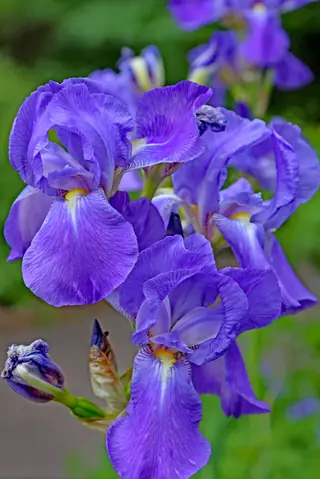 bearded irisIris germanica12 to 36 inlow to medium waterUSDA 3 to 9
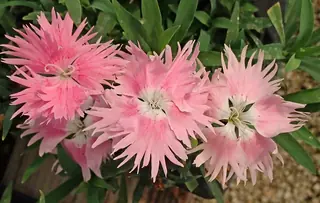 FIRST LOVE DianthusDianthus 'First Love'10 to 14 inlow to medium waterUSDA 3 to 9
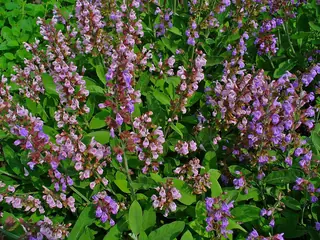 Garden SageSalvia officinalis24 inlow to medium waterUSDA 4 to 9
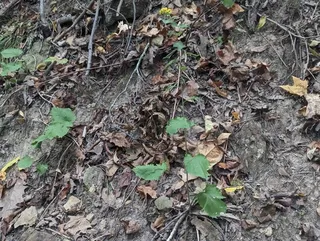 Golden FleeceSolidago sphacelata12 to 18 inlow waterUSDA 3 to 9
 heartleaf bergeniaBergenia cordifolia12 inmedium waterUSDA 3 to 8
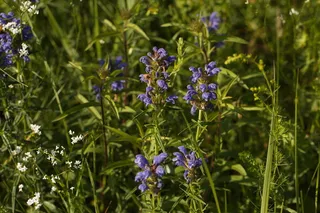 Indigo Blue DragonheadDracocephalum ruyschiana12 to 18 inlow to medium waterUSDA 3 to 8
- LA VETA LACE GeraniumGeranium magniflorum 'P013S'8 to 12 inlow to medium waterUSDA 4 to 8
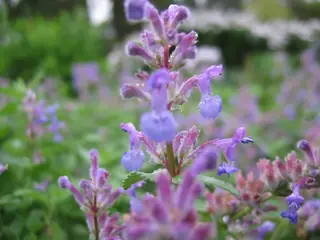 LITTLE TRUDY CatmintNepeta 'Psfike'8 to 10 inlow waterUSDA 3 to 8
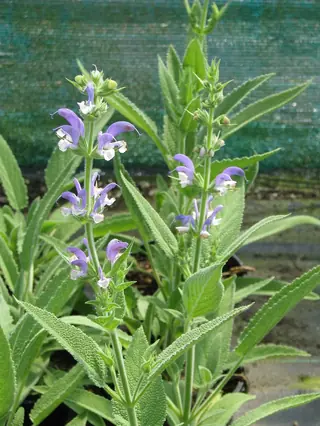 OLYMPUS Gold Leaf SageSalvia chrysophylla8 to 12 inlow waterUSDA 4 to 9
 Oriental poppyPapaver orientale24 to 36 inhigh waterUSDA 3 to 8
- Pink Pele irisIris 'Pink Pele'16 to 20 inlow to medium waterUSDA 3 to 9
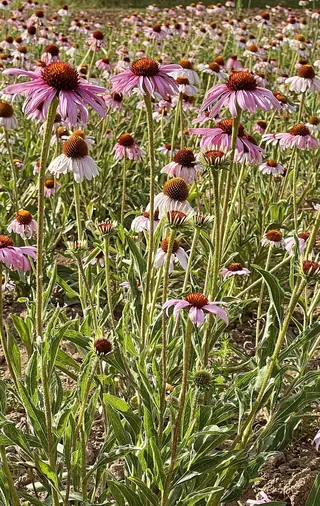 Purple ConeflowerEchinacea purpurea24 to 36 inlow to medium waterUSDA 3 to 9
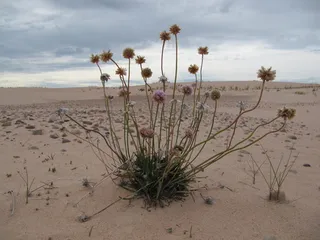 sea thriftArmeria maritima6 inlow to medium waterUSDA 3 to 9
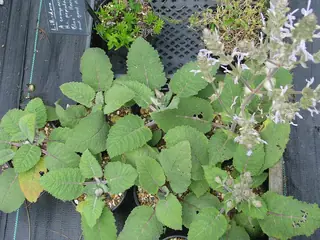 Shangri-La SageSalvia moorcroftiana x indica30 to 48 inlow to medium waterUSDA 4 to 9
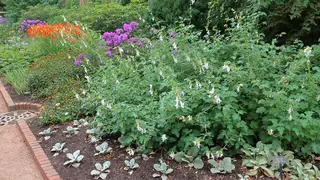 Silver SageSalvia argentea18 to 30 inlow waterUSDA 4 to 9
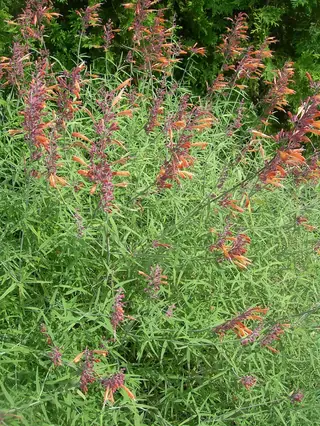 Sunset HyssopAgastache rupestris24 to 36 inlow waterUSDA 4 to 10
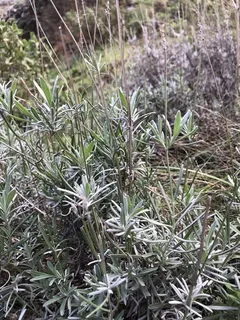 Wee One Dwarf English LavenderLavandula angustifolia 'Wee One'10 to 12 inlow waterUSDA 5 to 9
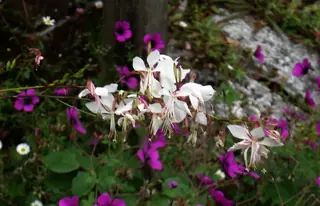 Whirling ButterfliesGaura lindheimeri24 to 36 inlow to medium waterUSDA 5 to 9
Groundcovers (28)
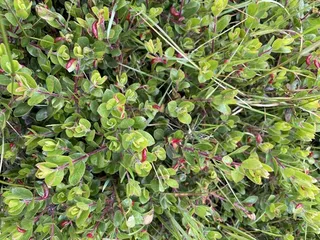 Kinnikinnick / bearberryArctostaphylos uva-ursi4 to 8 inlow to medium waterColorado nativeUSDA 2 to 7
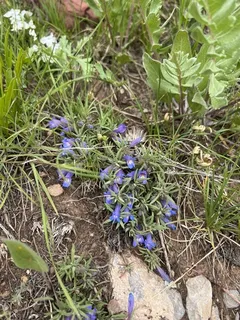 Mat penstemonPenstemon caespitosus2 to 4 inlow waterColorado nativeUSDA 3 to 8
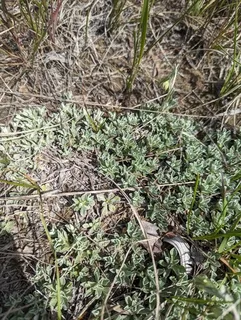 Small-leaf pussytoesAntennaria parvifolia2 to 5 inlow waterColorado nativeUSDA 3 to 8
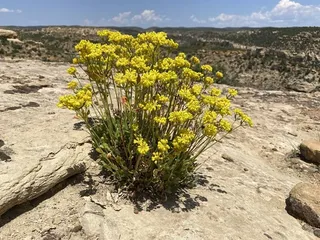 Sulfur buckwheatEriogonum umbellatum6 to 12 inlow waterColorado nativeUSDA 4 to 8
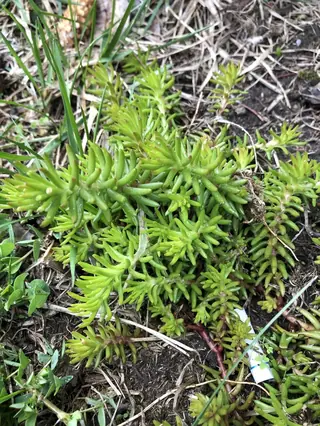 Angelina sedumSedum 'Angelina'3 to 6 inlow waterUSDA 3 to 9
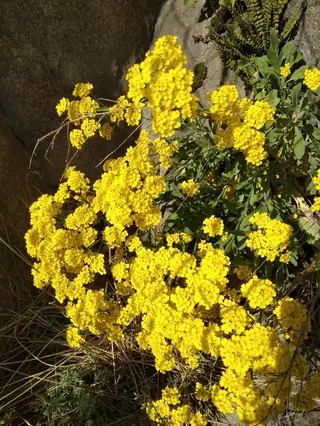 Basket of goldAurinia saxatilis6 to 12 inlow to medium waterUSDA 3 to 7
 Bigroot / Cambridge cranesbillGeranium x cantabrigiense6 to 12 inlow to medium waterUSDA 4 to 8
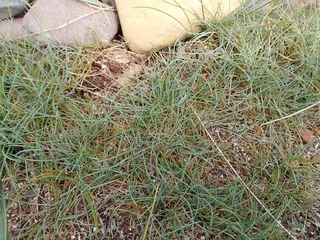 Blue fescueFestuca glauca6 to 10 inlow to medium waterUSDA 4 to 8
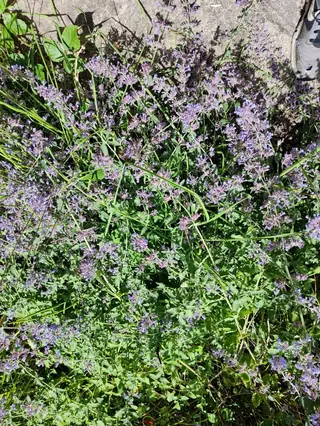 CatmintNepeta x faassenii12 to 24 inlow to medium waterUSDA 3 to 8
 Creeping phlox / moss phloxPhlox subulata4 to 6 inlow to medium waterUSDA 3 to 9
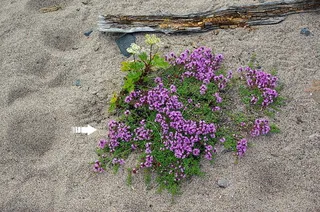 Creeping thyme / wild thymeThymus serpyllum1 to 3 inlow to medium waterUSDA 4 to 9
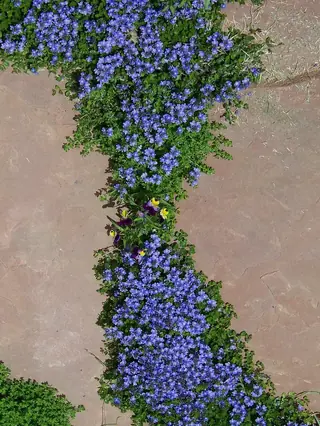 Crystal River veronicaVeronica 'Crystal River'1 to 3 inlow to medium waterUSDA 3 to 8
- CRYSTAL RIVER® veronicaVeronica 'Reavis'2 to 4 inlow to medium waterUSDA 3 to 8
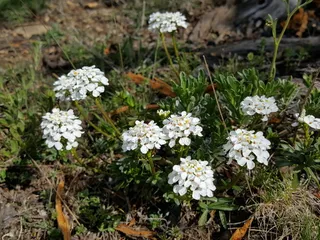 Evergreen candytuftIberis sempervirens8 to 12 inlow to medium waterUSDA 3 to 9
 Lamb's earStachys byzantina6 to 12 inlow to medium waterUSDA 4 to 8
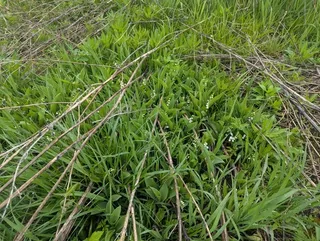 Lily of the valleyConvallaria majalis6 to 12 inmedium waterUSDA 2 to 7
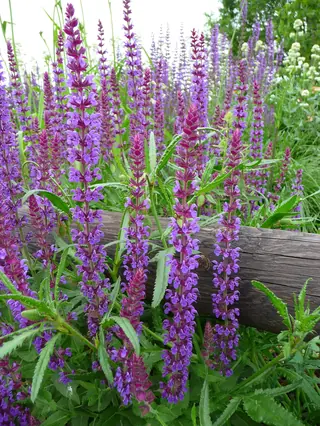 Meadow sage / wood sageSalvia nemorosa12 to 24 inlow to medium waterUSDA 4 to 9
 Orange carpet / hummingbird trumpetZauschneria garrettii3 to 6 inlow waterUSDA 4 to 9
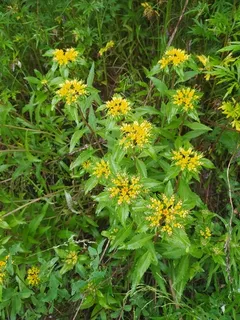 Russian stonecropSedum kamtschaticum4 to 8 inlow waterUSDA 3 to 9
- Serbian yarrowAchillea serbica4 to 6 inlow waterUSDA 3 to 9
 Silverheels horehoundMarrubium rotundifolium6 to 12 inlow waterUSDA 4 to 8
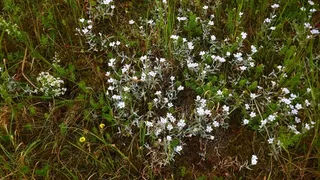 Snow-in-summerCerastium tomentosum4 to 8 inlow to medium waterUSDA 3 to 7
- Snow-in-summer (compact form)Cerastium tomentosum4 to 6 inlow to medium waterUSDA 3 to 7
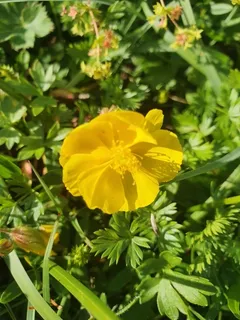 Sun rose / rock roseHelianthemum nummularium6 to 12 inlow waterUSDA 5 to 8
- Turkish veronicaVeronica liwanensis2 to 4 inlow to medium waterUSDA 3 to 8
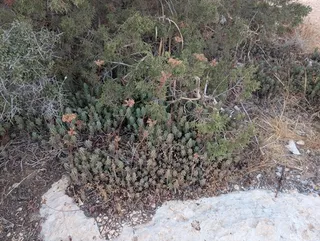 Turquoise Tails blue sedumSedum sediforme4 to 8 inlow waterUSDA 3 to 9
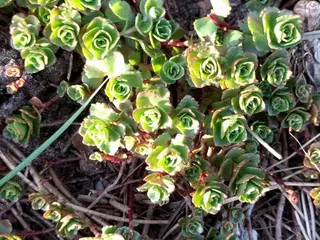 Two-row stonecropSedum spurium2 to 6 inlow to medium waterUSDA 3 to 9
 Woolly veronicaVeronica pectinata1 to 3 inlow to medium waterUSDA 3 to 8
Frequently asked questions
- What are the best deer-resistant shrubs for Colorado?
- Our top-ranked deer-resistant shrubs for Front Range yards are Fernbush, Apache plume, Leadplant, and Platinum sage. All are low or low-to-medium water, hardy to zone 4 and fine in alkaline soil, which matters as much as deer resistance here. Deer can still nibble them, especially new spring growth.
- What are the best deer-resistant trees for Colorado?
- Start with Thornless Common Honeylocust, Downy Hawthorn, Gambel Oak, and One-seed Juniper, each rated deer resistant and Recommended on the 2024 Front Range Tree Recommendation List. Browsing is only half the risk for a young tree: bucks rub trunks to strip antler velvet, and CSU Extension notes trunk tubes may not stop that, so fence or cage new trees.
- What are the best deer-resistant perennials for Colorado?
- Our top-ranked picks are Black-eyed Susan, Chocolate Flower, Gayfeather, and Beardlip penstemon. Of the 40 perennials our data rates deer resistant, these score best on native status, low water, pollinator value and availability.
- What deer-resistant groundcovers grow in Colorado?
- For groundcover, Mat penstemon, Orange carpet, and Sulfur buckwheat. Each is rated deer resistant and low or low-to-medium water.
- Is any plant deer-proof?
- No. CSU Extension says a hungry deer will find almost any plant palatable, and that a plant left alone in one area can be damaged severely in another. Adequate fencing is the only sure way to stop deer damage: CSU's standard deer fence is 8 ft woven wire, and Colorado Parks and Wildlife calls 6 ft or taller the most effective.
- Do deer eat roses?
- Often, yes. None of the 25 roses we cover are rated deer resistant. If you want roses where deer roam, CSU Extension's advice is placement: near the house, inside a fence, or behind a ring of plants deer like less.
- Do deer eat lavender or Russian sage?
- Usually not: both are rated deer resistant in our data. No plant is deer-proof, though, and new spring growth is when CSU Extension says damage shows up most.
- Do deer eat fruit trees and crabapples?
- Expect them to try. Only 1 of the 43 apple, crabapple, plum and cherry trees we cover is rated deer resistant. Colorado Parks and Wildlife suggests netting fruit trees, picking fruit before it ripens, and cleaning up fallen fruit.
- Which of these are Colorado native?
- 49 of the 112 plants are Colorado natives, including Apache plume, Beardlip penstemon, Bee Balm/Horsemint, and Big sagebrush.
- How much water do these plants need?
- 101 of the 112 are rated low or low-to-medium water; the rest need moderate water. Each plant's page lists its water rating.
- How were these plants selected?
- Each of the 112 plants meets this page's criteria and is cross-referenced against the 2024 Front Range Tree Recommendation List, CSU Extension, Denver Botanic Gardens, and USDA PLANTS. This is a reference guide, not a paid listing.
Sources
The deer-damage guidance comes from the CSU Extension and Colorado Parks and Wildlife pages below. A plant is on this list only when a cited source rates it: CSU's fact sheet first ("rarely browsed"), then the El Paso and Gilpin County CSU lists. Plants CSU rates "often browsed", or that Arizona Extension's survey finds frequently damaged, are marked that way on their own pages, and plants no source covers are marked not rated. Sizes, water needs and tree list ratings come from each plant's record.
- CSU Extension, Preventing Deer Damage (Fact Sheet 6.520)
- CSU PlantTalk Colorado, Deer-Resistant Plants (2302)
- Colorado Parks and Wildlife, Protect Your Home from Wildlife
- CSU Extension El Paso County, Deer Resistant Native Plants (2022)
- CSU Extension Gilpin County, Rabbit, Ground Squirrel, and Deer-Resistant Plants
- University of Arizona Extension, Deer Plant Resistance Ratings (AZ2098b, 2025)
- 2024 Front Range Tree Recommendation List (Colorado Tree Coalition, CSU, Colorado State Forest Service)
Related guides
- Low-water trees for the Colorado Front Range
- Colorado native trees for the Front Range
- Best shade trees for the Colorado Front Range
- Small trees for Front Range yards
- Drought-tolerant shrubs for Colorado's Front Range
- Colorado native shrubs for the Front Range
- Privacy and hedge shrubs for Colorado
- Front Range plants that are toxic to dogs
- Trees to avoid on the Colorado Front Range
- Xeric groundcover for the Colorado Front Range
- Lawn-alternative groundcovers for the Front Range
- Groundcovers for under trees on the Front Range
- Steppable groundcovers for between pavers on the Front Range
- Pollinator perennials for the Front Range
- Colorado native perennials for the Front Range
- Low-water perennials for Colorado's Front Range
- Fast-growing shade trees for Colorado's Front Range
- Fast-growing screening shrubs for the Colorado Front Range
- Best fall color trees for the Colorado Front Range
- Best pollinator trees for the Colorado Front Range
- Native plants of Colorado for Front Range yards
- Xeriscape plants for Colorado
- Evergreen privacy trees for Colorado's Front Range
- Salt-tolerant trees and shrubs for the Front Range
- Hail-tolerant trees and shrubs for the Front Range
- Fire-resistant plants for Colorado