Trees to avoid on the Colorado Front Range
Quick answer
16 trees are rated Not Recommended for the Colorado Front Range on the 2024 Front Range Tree Recommendation List. The usual culprits are iron chlorosis in our alkaline soil (pin oak, Autumn Blaze maple, globe willow), emerald ash borer (all ash), weak wood that fails in hail (silver maple), and invasive suckering (white poplar, Callery pear). Each tree below tells you why, so you can plant something proven instead.
These trees are rated Not Recommended for the Colorado Front Range on the 2024 Front Range Tree Recommendation List, and each one tells you why: iron chlorosis in our alkaline clay, emerald ash borer, weak wood that fails in hail, or roots and seedlings that take over. None are impossible to grow here, they just ask for more work or more risk than they are worth.
Plan your garden
Not sure what to plant? The finder matches Front Range trees, shrubs, perennials, and groundcover to your soil, water, sun, and zone.
The 16 trees to avoid, and why
Grouped by what goes wrong. Every reason is the tree's own entry from the 2024 Front Range Tree Recommendation List.
Iron chlorosis in our alkaline soil
Our dirt is alkaline (high pH), and these trees cannot pry enough iron out of it. The leaves yellow with green veins, the tree sulks, and it slowly declines unless you enjoy babysitting it with chelated-iron treatments that wear off and have to be redone. Chlorosis is treatable, it just keeps coming back.
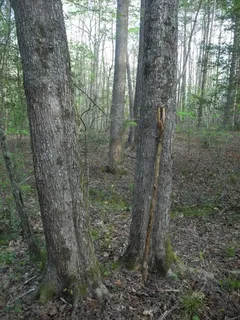 Autumn Blaze / Freeman maple Acer x freemaniiDevelops iron chlorosis in our alkaline soils, leaves yellow with green veins, then decline.
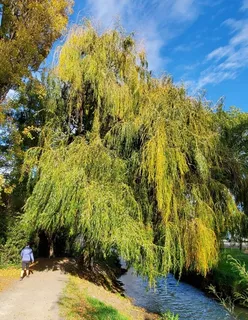 Globe willow Salix matsudanaIron chlorosis is common in our alkaline soils.
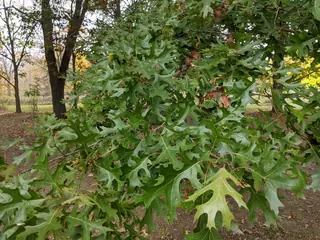 Northern pin oak Quercus ellipsoidalisDevelops iron chlorosis in our alkaline soils, leaves yellow with green veins, then decline.
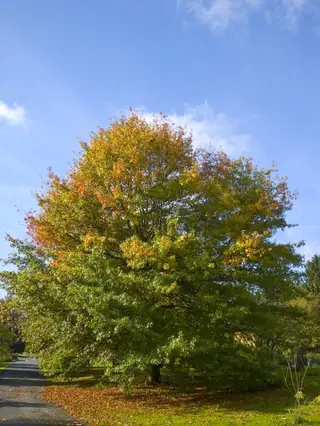 Pin oak Quercus palustrisPin oak struggles in our alkaline soils, almost always develops severe iron chlorosis within 2-3 years.
Ash, and emerald ash borer
Ash were the go-to street tree for decades, and that monoculture is exactly the problem. Emerald ash borer is now in Colorado, and many Front Range jurisdictions prohibit planting any new ash. Keep a healthy mature ash going with an arborist if you want, but do not plant a new one.
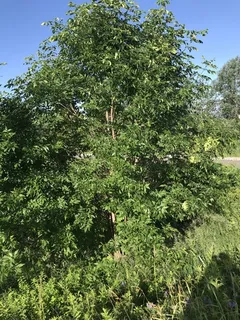 Ash (all species) FraxinusEmerald ash borer is established in Colorado, so most Front Range cities now restrict or discourage planting new ash, and many ban it as a street tree. Existing trees can be kept if you treat them for the borer, at an ongoing cost, or they come down.
Weak wood and a short life
Fast and cheap up front, expensive later. These trees grow brittle wood that snaps in the first good hailstorm or windstorm, and they do not live long enough to pay you back for the cleanup.
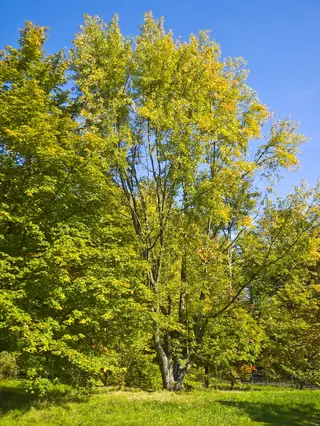 Silver maple Acer saccharinumSilver maple is brittle and shallow-rooted, frequent limb drop, surface roots, and short life.
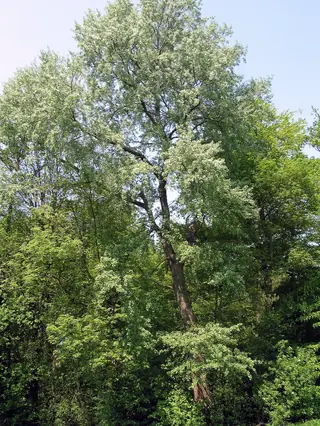 Tower poplar Populus x canescens 'Tower'Tower poplar is prone to many diseases and insects and short-lived, better alternatives exist for narrow upright form (e.g. Quercus robur 'Fastigiata').
Invasive or aggressively suckering
These stage a slow-motion takeover: they sucker up through the lawn, reseed into open ground, and heave sidewalks, and a couple are on Colorado's radar as invasive. Getting one out later is a project.
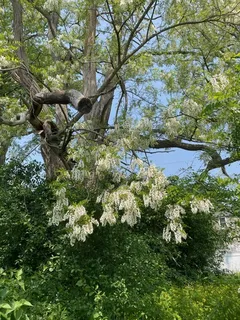 Black locust ('Purple Robe') Robinia pseudoacaciaBlack locust suckers prolifically and is on Colorado's watch list as invasive in riparian corridors, better to choose a native alternative.
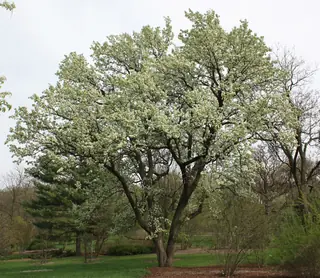 Callery / Bradford pear Pyrus calleryanaCallery pear is invasive in many regions and structurally weak, suckers, splits, and reseeds prolifically. Do not plant.
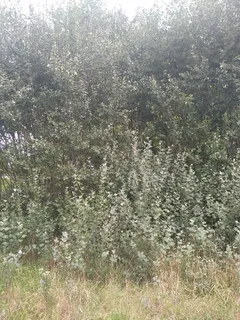 White poplar Populus albaWhite poplar suckers prolifically and is invasive, pulls up sidewalks, hard to remove.
Causes problems for the plants around it
A handsome tree that does not play well with others. What you plant near it matters as much as the tree itself.
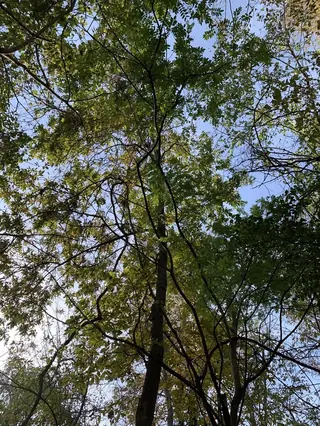 Black walnut Juglans nigraBlack walnut produces juglone, which inhibits many garden plants under its canopy; large messy nuts and limb drop are landscape liabilities. Do not plant in residential lots.
Disease and pest prone
Nothing wrong with the idea, everything wrong with the specific pick. These are the cultivars that reliably catch the disease or pest the species is known for, when resistant alternatives exist.
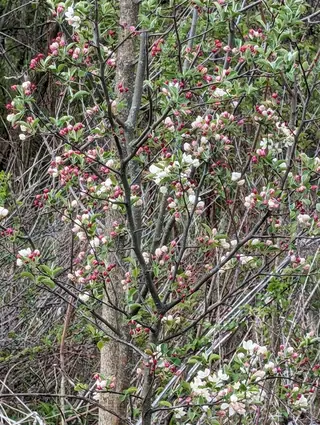 Bechtel crabapple Malus ioensisFireblight susceptibility, choose disease-resistant cultivars.
- Chinese elm Ulmus parvifoliaSusceptible to elm scale and other elm pests; reseeds in some Front Range areas. Better elm choices exist.
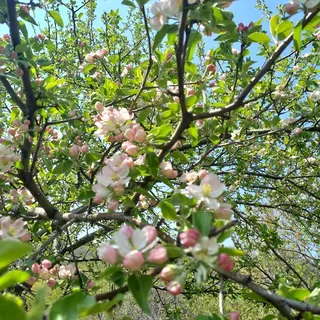 Golden Raindrops crabapple Malus x 'Schmidtcutleaf'Fireblight susceptibility, choose disease-resistant cultivars.
Not proven, or marginal, here
Maybe fine somewhere milder, but not a safe bet on the Front Range yet. Either the cold gets them or there is just not enough local track record to recommend them over a sure thing.
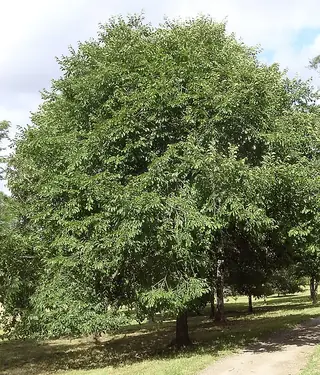 'Emerald Sunshine' elm Ulmus propinquaLimited Front Range track record, performance varies; better to choose proven elm alternatives like 'Princeton' (U. americana) or accolade hybrids.
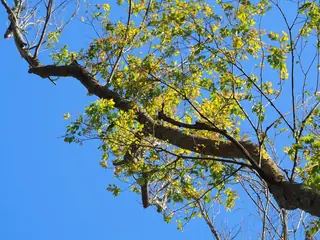 Japanese zelkova Zelkova serrataMarginal cold hardiness for the Front Range, winter dieback and stress are common. Better suited to milder zones.
What to plant instead
None of this means a bare yard. These guides collect the trees that actually thrive here, picked for our alkaline clay, low water, hail, and zone 4 to 6 winters.
Dealing with an ash specifically? See emerald ash borer in Colorado: treat or remove your ash, and what to plant instead. Already have a struggling tree? Why is my tree dying in Colorado matches the symptom to the likely cause.
Recommended trees by need
Frequently asked questions
- Should I cut down my ash tree?
- Not necessarily, and not because it's on this list. The rule is about new plantings: do not plant a new ash, because emerald ash borer is here and many Front Range jurisdictions prohibit it. A healthy mature ash can often be kept going with regular treatment from a certified arborist, so talk to one before you reach for the saw. If you are planting fresh, pick a non-ash.
- What is iron chlorosis, and can I fix it?
- Our soil is alkaline (high pH), which locks up iron so the tree can't take it in. The leaves turn yellow between green veins, and the tree slowly declines. It is treatable with chelated-iron applications, but the treatments wear off and the problem keeps coming back, so it is ongoing babysitting rather than a one-time fix. The easier answer is to plant a tree that doesn't mind our dirt in the first place.
- Why not plant a Bradford or Callery pear?
- It looks great for about ten years, then it betrays you. Callery pear has weak, narrowly attached limbs that split in wind and hail, and despite being sold as sterile, different cultivars cross-pollinate and reseed, so it has turned invasive across much of the country. Skip it and plant a tougher flowering tree.
- Are these trees impossible to grow on the Front Range?
- No. Most of them will technically grow here, they just ask for more work or more risk than they are worth: ongoing iron treatments, an EAB battle, storm cleanup, or suckers in the lawn. Each tree above tells you exactly why it landed on the list, so you can decide. When in doubt, start from the trees that are proven here instead.
Get the printable Stop Planting These guide
Every tree to skip on the Colorado Front Range, why it fails here, and what to plant instead. Free, to your inbox.