Black Walnut
Juglans nigra
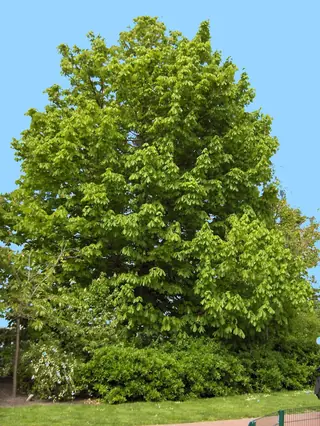
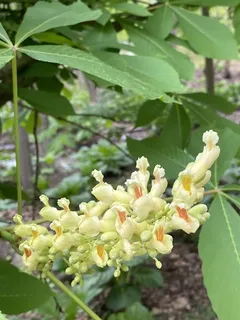
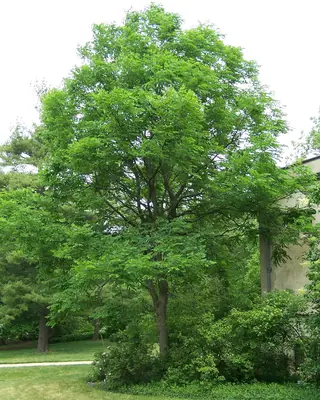
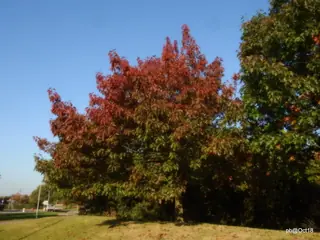
Black Walnut (Juglans nigra) is a tree suited to the Colorado Front Range, rated "Not Recommended" on the 2024 Front Range Tree Recommendation List. It matures to about 50–75 ft tall and 50–70 ft wide, needs low to medium water, and prefers full sun. Black walnut produces juglone, which inhibits many garden plants under its canopy; large messy nuts and limb drop are landscape liabilities. Do not plant in residential lots.
low to medium water50–75 ft tall and 50–70 ft wideXeric / water-wiseDeer-resistantToxic to dogs
Photos
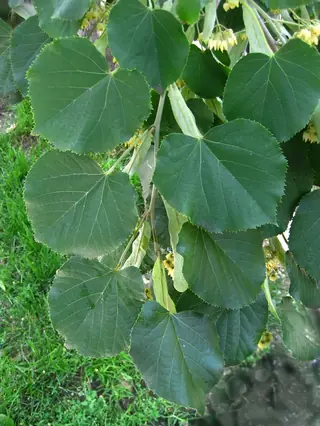
- Photo 1: (c) Carrie Seltzer, some rights reserved (CC BY)
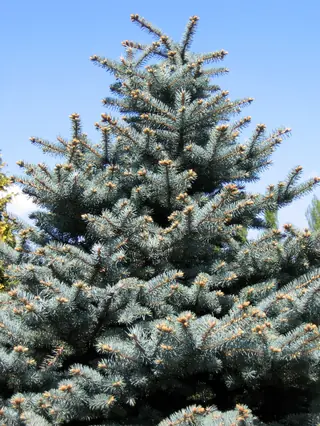
- Photo 2: (c) Sandy Wolkenberg, some rights reserved (CC BY)
- Photo 3: no rights reserved
- Photo 4: no rights reserved
- Photo 5: (c) Sandy Wolkenberg, some rights reserved (CC BY)
- Photo 6: (c) Steven J. Baskauf, some rights reserved (CC BY)
At a glance
Will it survive here?
- Hardiness zones
- USDA 4–9
- Water needs
- low to medium water
- Sun
- Best in full sun.
- Soil
- clay, loam, sandy
- Soil pH
- 6.0–8.2
- Hail tolerance
- moderate
- Wind tolerance
- moderate
- Salt tolerance
- moderate
How big, what shape?
- Mature size
- 50–75 ft tall and 50–70 ft wide
- Mature form
- Rounded
- Spacing / clearance
- ~70 ft of clearance
- Growth rate
- Moderate
- Lifespan
- Long-lived
What it looks like, and when
- Foliage
- Deciduous
Who else benefits
- Pollinator value
- low
- Deer
- Generally deer-resistant
- Colorado native
- No
Site factors to consider
- Critical: Insects & DiseasesPest and disease pressure is the main knock here, so keep it vigorous with steady water and a well-chosen site.
Planting & establishment
Water deeply every 7–10 days through the first 2 summers. Winter water 1–2×/month October–March when soil is dry and unfrozen, winter desiccation is a top killer of newly-planted trees. Year 3: taper to 2×/month in summer, then rely on natural precipitation.
Frequently asked questions
- Is Black Walnut good for the Colorado Front Range?
- Yes, Black Walnut is a well-suited tree for Colorado's Front Range, rated "Not Recommended" on the 2024 Front Range Tree Recommendation List.
- Why is Black Walnut not recommended on the Front Range?
- The main catches here: Pest and disease pressure is the main knock here, so keep it vigorous with steady water and a well-chosen site.
- How big does Black Walnut get?
- It matures to about 50–75 ft tall and 50–70 ft wide.
- How much room does Black Walnut need?
- Give Black Walnut about 70 ft of clearance from buildings, fences, and other trees so the mature canopy isn't crowded.
- What shape does Black Walnut grow into?
- Black Walnut typically grows into a broad, rounded crown, the classic shade-tree silhouette. This is the species' usual mature form, named cultivars (columnar, weeping, or compact selections) can differ, so check the specific cultivar.
- Is Black Walnut hardy on the Front Range?
- Black Walnut is hardy in USDA 4–9. The Colorado Front Range spans roughly USDA 4b–6a, so it is well within range.
- How much water does Black Walnut need?
- It needs low to medium water once established.
- How fast does Black Walnut grow?
- Black Walnut is a moderate-growing tree. Growth rate depends on water and site conditions on the Front Range.
- How long does Black Walnut live?
- Black Walnut is long-lived, a multi-generational tree given good siting and care. Actual lifespan varies with site, water, and care.
- Is Black Walnut safe for dogs?
- No. Black Walnut is considered toxic to dogs. Keep pets away and check with your vet.
- Is Black Walnut deer-resistant?
- Black Walnut is generally considered deer-resistant, though no plant is deer-proof when browse pressure is high.