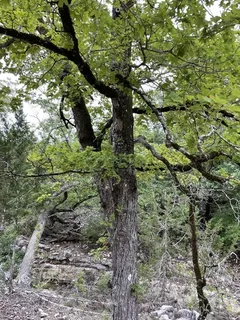
Silver - all cultivars Maple
Acer saccharinum
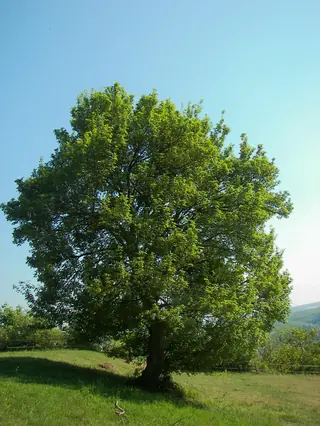
Silver - all cultivars Maple (Acer saccharinum) is a tree suited to the Colorado Front Range, rated "Not Recommended" on the 2024 Front Range Tree Recommendation List. It matures to about 50–70 ft tall and 35–50 ft wide, fast-growing, needs medium water, and prefers full sun to partial shade. Silver maple is brittle and shallow-rooted, frequent limb drop, surface roots, and short life.
medium water50–70 ft tall and 35–50 ft wide
Photos
- Photo 1: "Acer saccharinum 001" by Willow is licensed under CC BY 2.5. To view a copy of this license, visit https://creativecommons.org/licenses/by/2.5/.
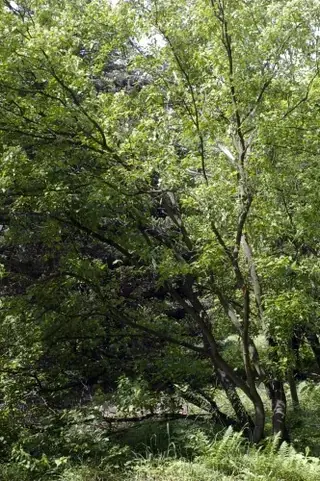
- Photo 2: Darkone (talk · contribs)
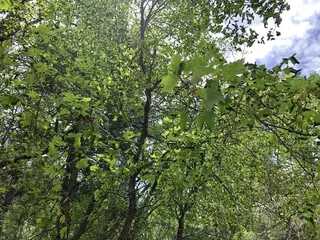
- Photo 3: "Silber-Ahorn (Acer saccharinum)" by Darkone (talk · contribs) is licensed under CC BY-SA 2.5. To view a copy of this license, visit https://creativecommons.org/licenses/by-sa/2.5/.
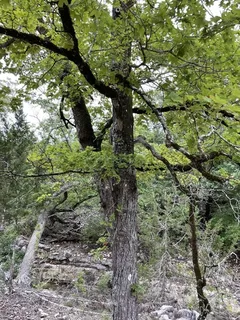
- Photo 4: "Silber-Ahorn (Acer saccharinum)" by yetdark is licensed under CC BY-SA 2.0. To view a copy of this license, visit https://creativecommons.org/licenses/by-sa/2.0/.
- Photo 5: (c) Jason Sturner, some rights reserved (CC BY)
- Photo 6: no rights reserved
At a glance
Will it survive here?
- Hardiness zones
- USDA 3–9
- Water needs
- medium water
- Sun
- Best in full sun; tolerates partial shade.
- Soil
- clay, loam, sandy
- Soil pH
- 6.0–8.2
- Hail tolerance
- moderate
- Wind tolerance
- low
- Salt tolerance
- moderate
- Tolerates
- Rain gardens
How big, what shape?
- Mature size
- 50–70 ft tall and 35–50 ft wide
- Mature form
- Oval / upright
- Spacing / clearance
- ~50 ft of clearance
- Growth rate
- Fast
- Lifespan
- Short-lived
What it looks like, and when
- Fall color
- Yellow
- Foliage
- Deciduous
Who else benefits
- Pollinator value
- high
- Deer
- Not deer-resistant
- Colorado native
- No
Site factors to consider
- Critical: Soil ChemistryOur alkaline clay locks up iron for this one, so leaves often yellow between green veins and growth stalls unless you treat it.
- Watch: Short LivedFast but not forever; this one runs short lived here, so enjoy it and plan a successor rather than treating it as a legacy tree.
- Watch: SuckersIt throws up shoots from the roots and base, so plan on cutting suckers to keep it from turning into a thicket.
- Watch: Re-seedsIt sets seed freely and plants itself around the yard, so pull the volunteer seedlings unless you want more of them.
Common problems on the Front Range
- Aphids and honeydew
- Verticillium wilt on some species
- Leaf scorch in hot, dry, windy sites
These are general tendencies for this group of plants on the Front Range, not a diagnosis. Many are stress-driven and preventable with good siting and watering. For a specific plant or an active problem, consult a certified arborist or your local CSU Extension office.
Frequently asked questions
- Is Silver - all cultivars Maple good for the Colorado Front Range?
- Yes, Silver - all cultivars Maple is a well-suited tree for Colorado's Front Range, rated "Not Recommended" on the 2024 Front Range Tree Recommendation List.
- Why is Silver - all cultivars Maple not recommended on the Front Range?
- The main catches here: Our alkaline clay locks up iron for this one, so leaves often yellow between green veins and growth stalls unless you treat it.
- How big does Silver - all cultivars Maple get?
- It matures to about 50–70 ft tall and 35–50 ft wide.
- How much room does Silver - all cultivars Maple need?
- Give Silver - all cultivars Maple about 50 ft of clearance from buildings, fences, and other trees so the mature canopy isn't crowded.
- What shape does Silver - all cultivars Maple grow into?
- Silver - all cultivars Maple typically grows into an upright-oval crown, taller than it is wide. This is the species' usual mature form, named cultivars (columnar, weeping, or compact selections) can differ, so check the specific cultivar.
- Is Silver - all cultivars Maple hardy on the Front Range?
- Silver - all cultivars Maple is hardy in USDA 3–9. The Colorado Front Range spans roughly USDA 4b–6a, so it is well within range.
- How much water does Silver - all cultivars Maple need?
- It needs medium water once established.
- How fast does Silver - all cultivars Maple grow?
- Silver - all cultivars Maple is a fast-growing tree. Growth rate depends on water and site conditions on the Front Range.
- How long does Silver - all cultivars Maple live?
- Silver - all cultivars Maple is relatively short-lived for a tree, so plan to replace it sooner than a long-lived shade tree. Actual lifespan varies with site, water, and care.
- What color does Silver - all cultivars Maple turn in fall?
- Silver - all cultivars Maple turns yellow in autumn. Fall color intensity varies with the season and site on the Front Range.
- Is Silver - all cultivars Maple native to Colorado?
- No. It is not a Colorado native, but it grows well on the Front Range.
- Is Silver - all cultivars Maple deer-resistant?
- No. Silver - all cultivars Maple is not considered deer-resistant and may need protection where deer browse.
- Is Silver - all cultivars Maple prone to pests or disease on the Front Range?
- Silver - all cultivars Maple can be affected by aphids and honeydew and other issues common to this group on the Front Range. These are general tendencies, not a diagnosis, many are stress-driven and preventable with good siting and watering. For a specific plant or an active problem, consult a certified arborist or CSU Extension.