all cultivars Elm
Ulmus parvifolia
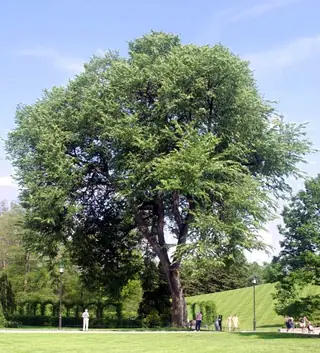
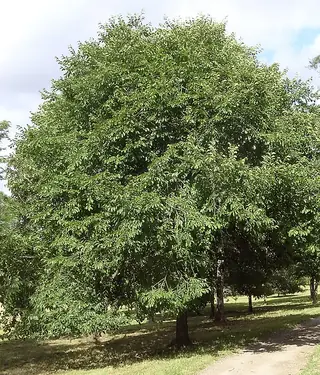
all cultivars Elm (Ulmus parvifolia) is a tree suited to the Colorado Front Range, rated "Not Recommended" on the 2024 Front Range Tree Recommendation List. It matures to about 40–50 ft tall and 25–40 ft wide, fast-growing, needs medium water, and prefers full sun. Susceptible to elm scale and other elm pests; reseeds in some Front Range areas. Better elm choices exist.
medium water40–50 ft tall and 25–40 ft wideDeer-resistant
At a glance
Will it survive here?
- Hardiness zones
- USDA 4–9
- Water needs
- medium water
- Sun
- Best in full sun.
- Soil
- clay, loam, sandy
- Soil pH
- 6.0–8.2
- Hail tolerance
- moderate
- Wind tolerance
- moderate
- Salt tolerance
- moderate
How big, what shape?
- Mature size
- 40–50 ft tall and 25–40 ft wide
- Mature form
- Rounded
- Spacing / clearance
- ~40 ft of clearance
- Growth rate
- Fast
- Lifespan
- Medium
What it looks like, and when
- Fall color
- Yellow
- Foliage
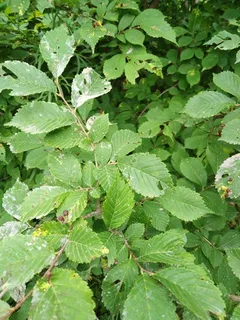
- Deciduous
Who else benefits
- Pollinator value
- low
- Deer
- Generally deer-resistant
- Colorado native
- No
Site factors to consider
- Critical: Insects & DiseasesMain pressure here is Dutch elm disease, so keep it vigorous with steady water and a well-chosen site.
- Critical: Cold HardinessThe average low suits it fine; our real cold risk is the swings, late frosts, and intense winter sun, so wrap young trunks and give it shelter.
Common problems on the Front Range
- Dutch elm disease (esp. American elm)
- Elm leaf beetle and European elm scale
These are general tendencies for this group of plants on the Front Range, not a diagnosis. Many are stress-driven and preventable with good siting and watering. For a specific plant or an active problem, consult a certified arborist or your local CSU Extension office.
Frequently asked questions
- Is all cultivars Elm good for the Colorado Front Range?
- Yes, all cultivars Elm is a well-suited tree for Colorado's Front Range, rated "Not Recommended" on the 2024 Front Range Tree Recommendation List.
- Why is all cultivars Elm not recommended on the Front Range?
- The main catches here: Main pressure here is Dutch elm disease, so keep it vigorous with steady water and a well-chosen site. The average low suits it fine; our real cold risk is the swings, late frosts, and intense winter sun, so wrap young trunks and give it shelter.
- How big does all cultivars Elm get?
- It matures to about 40–50 ft tall and 25–40 ft wide.
- How much room does all cultivars Elm need?
- Give all cultivars Elm about 40 ft of clearance from buildings, fences, and other trees so the mature canopy isn't crowded.
- What shape does all cultivars Elm grow into?
- all cultivars Elm typically grows into a broad, rounded crown, the classic shade-tree silhouette. This is the species' usual mature form, named cultivars (columnar, weeping, or compact selections) can differ, so check the specific cultivar.
- Is all cultivars Elm hardy on the Front Range?
- all cultivars Elm is hardy in USDA 4–9. The Colorado Front Range spans roughly USDA 4b–6a, so it is well within range. That said, it carries a cold-hardiness caution: The average low suits it fine; our real cold risk is the swings, late frosts, and intense winter sun, so wrap young trunks and give it shelter.
- How much water does all cultivars Elm need?
- It needs medium water once established.
- How fast does all cultivars Elm grow?
- all cultivars Elm is a fast-growing tree. Growth rate depends on water and site conditions on the Front Range.
- How long does all cultivars Elm live?
- all cultivars Elm has a moderate lifespan for a Front Range tree. Actual lifespan varies with site, water, and care.
- What color does all cultivars Elm turn in fall?
- all cultivars Elm turns yellow in autumn. Fall color intensity varies with the season and site on the Front Range.
- Is all cultivars Elm native to Colorado?
- No. It is not a Colorado native, but it grows well on the Front Range.
- Is all cultivars Elm deer-resistant?
- all cultivars Elm is generally considered deer-resistant, though no plant is deer-proof when browse pressure is high.
- Is all cultivars Elm prone to pests or disease on the Front Range?
- all cultivars Elm can be affected by dutch elm disease (esp. American elm) and other issues common to this group on the Front Range. These are general tendencies, not a diagnosis, many are stress-driven and preventable with good siting and watering. For a specific plant or an active problem, consult a certified arborist or CSU Extension.