Hail-tolerant plants for Castle Rock
Last updated 2026-09-17
Quick answer
40 hail-tolerant plants for Castle Rock are ranked here for Castle Rock's specific conditions, drawn from the 2024 Front Range Tree Recommendation List and regional extension sources, then ordered for Castle Rock's local hazards. Compare them below.
Castle Rock sits high on the Palmer Divide at about 6,224 feet, higher than Denver or Colorado Springs, squarely in the most hail-prone corridor in North America. A single summer storm can strip soft foliage to the stems, so the plants that look good here in August are the ones built to take a beating and push new growth. The elevation adds a shorter season, sharp cold-air drainage that pushes frost dates late, and strong wind, so hail tolerance alone isn't enough, these plants also have to be cold-hardy and water-wise. Every plant below is rated highly hail-tolerant and ranked for Castle Rock's cold, wind, and drought, giving an exposed Palmer Divide yard a far better chance of bouncing back. No plant is completely hail-proof.
Plan your garden
Not sure what to plant? The finder matches Front Range trees, shrubs, perennials, and groundcover to your soil, water, sun, and zone.
What this means in Castle Rock
Tough, flexible, or quick-to-regrow plants shrug off hail best, narrow leaves and pliable stems beat big tender foliage. Perennials that regrow from the crown often recover within weeks even when shredded. Site the most vulnerable plants under an eave or a sturdy tree, and don't fertilize hard right before hail season.
Top trees for Castle Rock
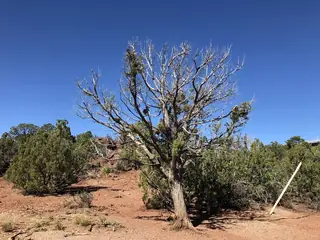 One JuniperJuniperus monosperma10–20 ftlow waterColorado nativeUSDA 3–8
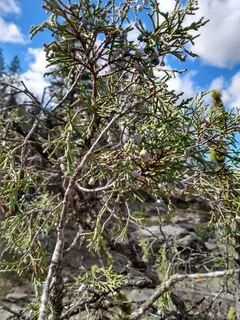 Rocky Mountain Juniper (species)Juniperus scopulorum15–30 ftlow waterColorado nativeUSDA 3–8
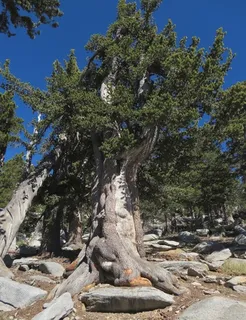 'Vanderwolf's Pyramid' PinePinus flexilis25–30 ftlow to medium waterColorado nativeUSDA 4–7
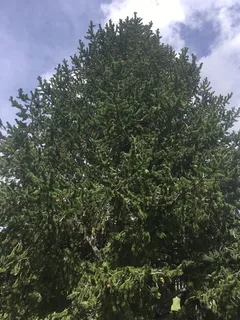 Bristlecone(foxtail) PinePinus aristata15–30 ftlow to medium waterColorado nativeUSDA 4–7
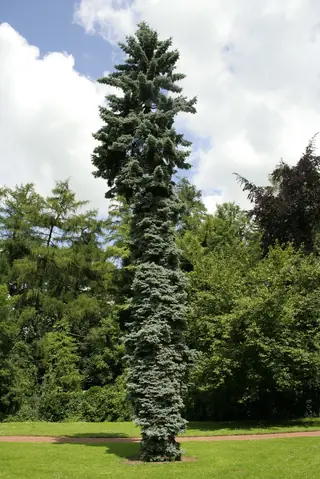 Colorado Blue SprucePicea pungens glauca15–50 ftmedium to high waterColorado nativeUSDA 2–7
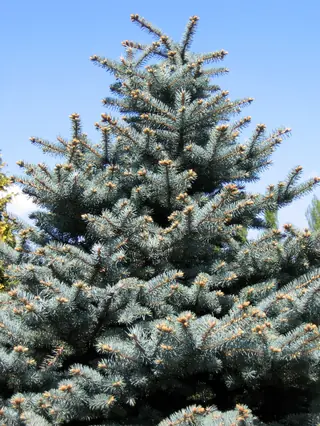 Colorado SprucePicea pungens50–75 ftmedium to high waterColorado nativeUSDA 2–7
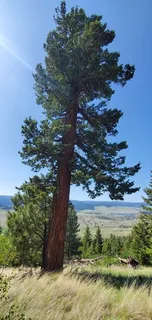 Rocky Mountain Douglas firPseudotsuga menziesii var. glauca40–80 ftmedium waterColorado nativeUSDA 4–6
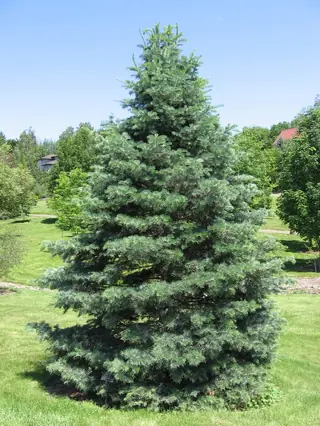 White FirAbies concolor50–80 ftmedium waterColorado nativeUSDA 3–7
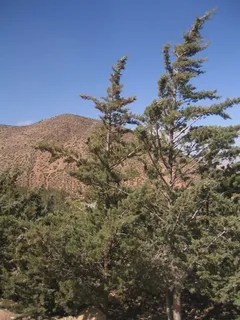 Arizona CypressHesperocyparis arizonica30–50 ftlow waterUSDA 7–10
- Arizona Cypress 'Blue Ice'Hesperocyparis arizonica20–30 ftlow waterUSDA 7–10
Top shrubs for Castle Rock
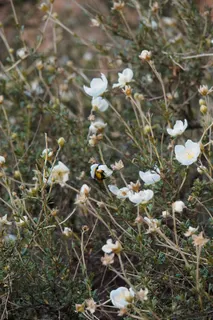 Apache plumeFallugia paradoxa4–6 ftlow waterColorado nativeUSDA 4–9
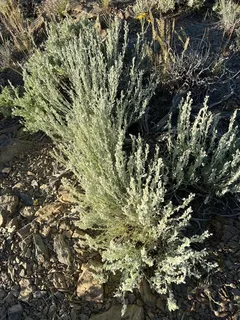 Big sagebrushArtemisia tridentata3–8 ftlow waterColorado nativeUSDA 3–9
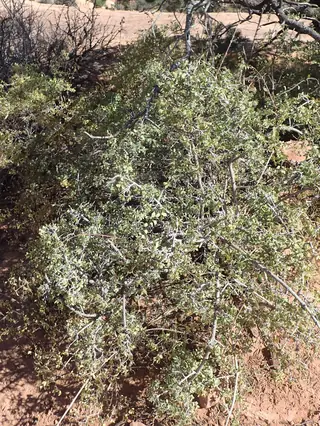 Cliff fendlerbushFendlera rupicola3–6 ftlow waterColorado nativeUSDA 5–8
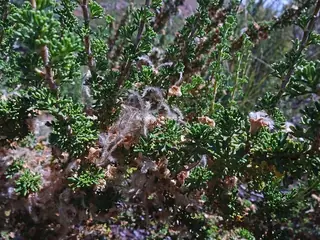 CliffrosePurshia mexicana4–8 ftlow waterColorado nativeUSDA 4–8
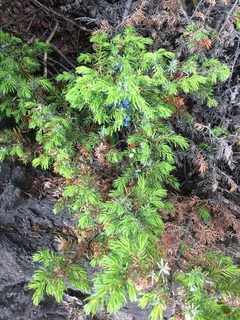 Common juniperJuniperus communis2–4 ftlow waterColorado nativeUSDA 2–7
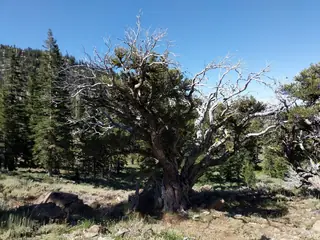 Curlleaf mountain mahoganyCercocarpus ledifolius10–20 ftlow waterColorado nativeUSDA 3–8
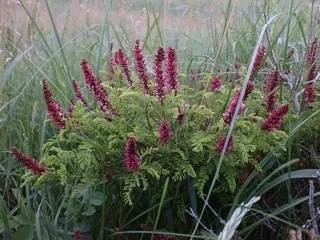 Dwarf wild indigoAmorpha nana1–2 ftlow waterColorado nativeUSDA 4–9
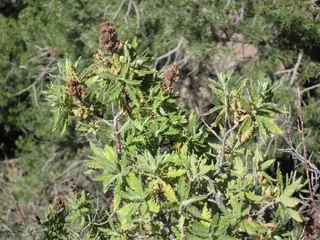 FernbushChamaebatiaria millefolium4–6 ftlow waterColorado nativeUSDA 4–8
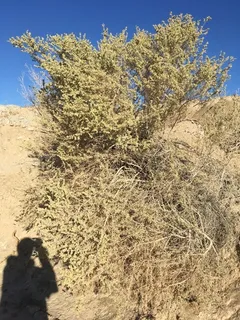 Fourwing saltbushAtriplex canescens3–8 ftlow waterColorado nativeUSDA 4–9
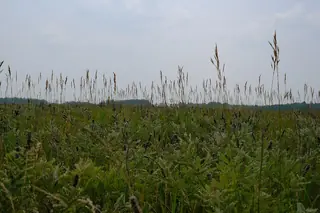 LeadplantAmorpha canescens2–4 ftlow waterColorado nativeUSDA 4–9
Top perennials for Castle Rock
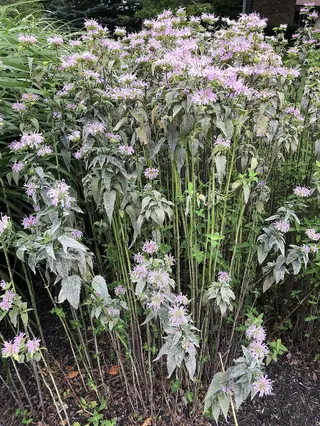 Bee Balm/HorsemintMonarda fistulosa24 inlow waterColorado nativeUSDA 3–9
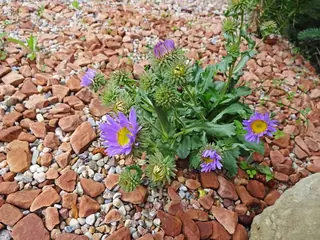 Bigelow's TansyasterMachaeranthera bigelovii24–48 inlow waterColorado nativeUSDA 4–8
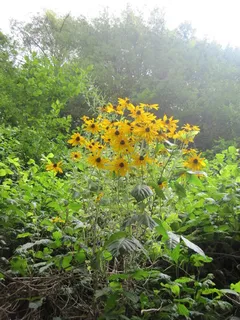 Black-eyed SusanRudbeckia hirta24 inlow waterColorado nativeUSDA 3–9
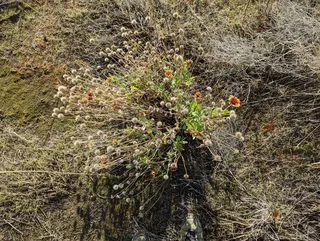 BlanketflowerGaillardia aristata12 inlow waterColorado nativeUSDA 3–10
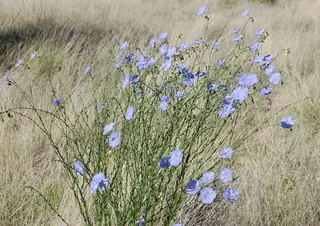 Blue FlaxLinum lewisii18 inlow waterColorado nativeUSDA 4–9
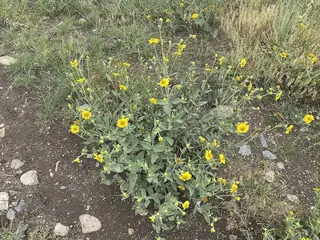 Bush SunflowerHelianthus pumilus20 inlow waterColorado nativeUSDA 4–9
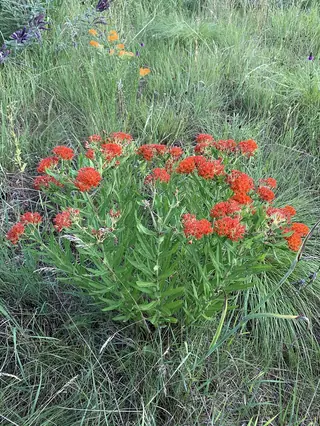 Butterfly MillkweedAsclepias tuberosa18 inlow waterColorado nativeUSDA 3–9
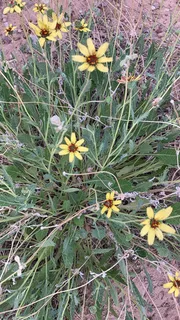 Chocolate FlowerBerlandiera lyrata18 inlow waterColorado nativeUSDA 4–9
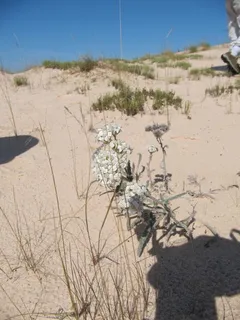 Common YarrowAchillea millefolium18 inlow waterColorado nativeUSDA 3–9
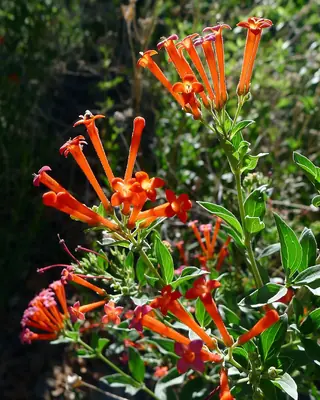 Firecracker PenstemonPenstemon eatonii18–36 inlow waterColorado nativeUSDA 3–8
Top groundcover for Castle Rock
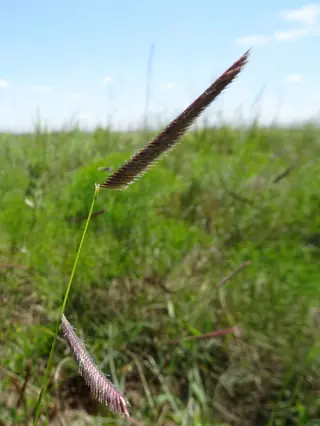 Blue grama grassBouteloua gracilis8–18 inlow waterColorado nativeUSDA 3–10
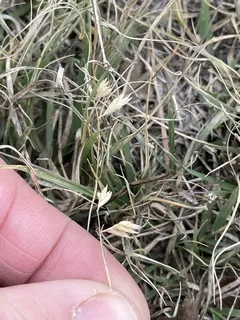 Buffalo grassBouteloua dactyloides4–8 inlow waterColorado nativeUSDA 3–10
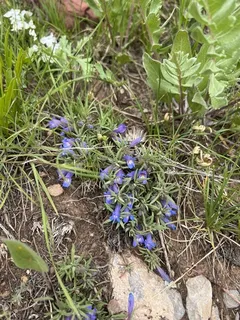 Mat penstemonPenstemon caespitosus2–4 inlow waterColorado nativeUSDA 3–8
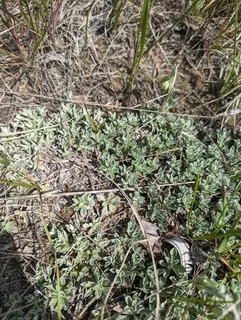 Small-leaf pussytoesAntennaria parvifolia2–5 inlow waterColorado nativeUSDA 3–8
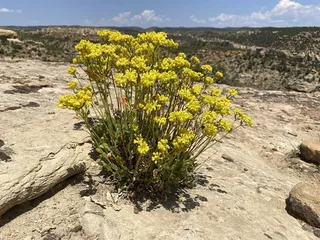 Sulfur buckwheatEriogonum umbellatum6–12 inlow waterColorado nativeUSDA 4–8
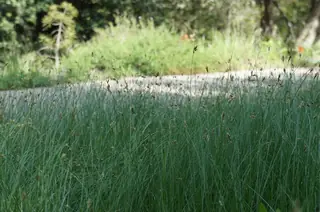 Clustered field sedgeCarex praegracilis8–18 inlow to medium waterColorado nativeUSDA 3–9
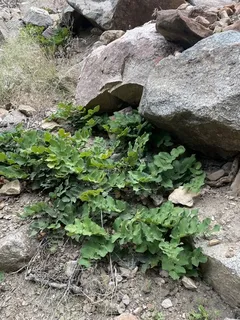 Creeping Oregon grapeMahonia repens10–18 inlow to medium waterColorado nativeUSDA 4–8
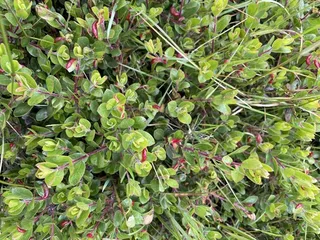 Kinnikinnick / bearberryArctostaphylos uva-ursi4–8 inlow to medium waterColorado nativeUSDA 2–7
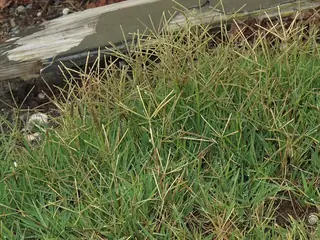 DOG TUFF™ grassCynodon 'PWIN04S'4–6 inlow water
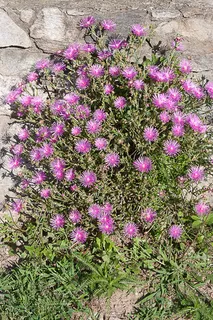 Fire Spinner ice plantDelosperma 'Fire Spinner'1–2 inlow waterUSDA 5–10
Frequently asked questions
- Why is Castle Rock so hail-prone?
- Castle Rock sits on the Palmer Divide, the high ground between Denver and Colorado Springs that lifts summer storms into the most frequent hail corridor in North America. Planting hail-tough species is the most reliable defense.
- Which plants recover fastest after a hailstorm?
- Herbaceous perennials that regrow from the crown often flush new growth within a few weeks, even cut to the ground. Tough-leaved and narrow-leaved shrubs and groundcovers also rebound well.
- Can I protect plants from hail in Castle Rock?
- Siting helps most, place tender plants under eaves or a sturdy canopy. For prized beds, temporary covers before a forecast storm work, but choosing hail-tolerant plants is the durable fix.