Best plants for Fort Collins gardens
Fort Collins gardens sit at about 5,000 ft in USDA zone 5b on heavy alkaline clay, with roughly 15 inches of annual precipitation and an erratic last frost around May 11. The two defining issues are an exploding emerald ash borer infestation and one of the region's best turf rebates, so the plants below favor diverse, non-ash, water-wise species.
Last updated 2026-05-30
Plan your garden
Not sure what to plant? The finder matches Front Range trees, shrubs, perennials, and groundcover to your soil, water, sun, and zone.
Fort Collins growing conditions
- USDA hardiness zone
- 5b (6a in sheltered urban pockets)
- Elevation
- 5,003 ft
- Avg. annual precipitation
- ~15 in
- Soil
- heavy, compacted alkaline clay
- Avg. last spring frost
- ~May 11
- Avg. first fall frost
- early-to-mid October
- Growing season
- ~146 days
Fort Collins sits at ~5,000 ft in zone 5b with a soil-amendment ordinance reflecting its heavy, compacted clay. Late frosts are erratic. There's roughly a 30% chance of 28°F after May 15, and foothills neighborhoods on the west side run cooler and windier with deer pressure.
What's challenging in Fort Collins
Emerald ash borer is spreading fast
EAB was first found in Larimer County in 2019 and was well within Fort Collins city limits by 2024, where its population is expanding rapidly. If you have an ash tree (genus Fraxinus), consult a certified arborist about treatment versus replacement, and don't plant new ash. The diverse trees below are good EAB-proof alternatives. (source)
Erratic late frosts
Fort Collins has roughly a 30% chance of a 28°F freeze after May 15, so even though the average last frost is ~May 11, hold tender plants until the soil is reliably warm.
Top trees for Fort Collins
Ranked for Fort Collins's hail, drying wind, late frosts and cold and low water use.
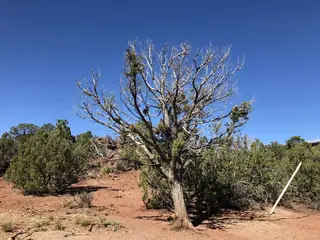 One-seed JuniperJuniperus monosperma10 to 20 ftlow waterColorado nativeUSDA 3 to 8
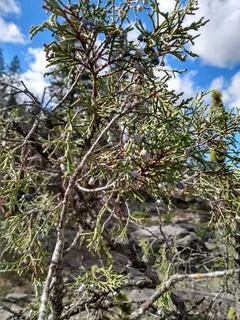 Rocky Mountain Juniper (species)Juniperus scopulorum15 to 30 ftlow waterColorado nativeUSDA 3 to 8
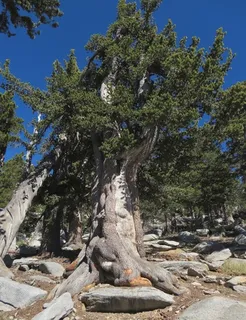 'Vanderwolf's Pyramid' PinePinus flexilis25 to 30 ftlow to medium waterColorado nativeUSDA 4 to 7
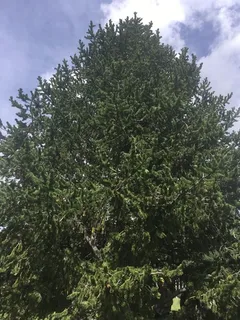 Bristlecone (foxtail) PinePinus aristata15 to 30 ftlow to medium waterColorado nativeUSDA 4 to 7
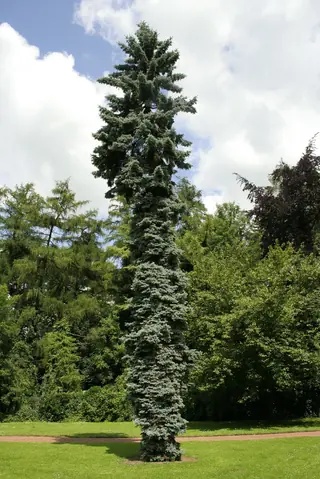 Colorado Blue SprucePicea pungens glauca15 to 50 ftmedium to high waterColorado nativeUSDA 2 to 7
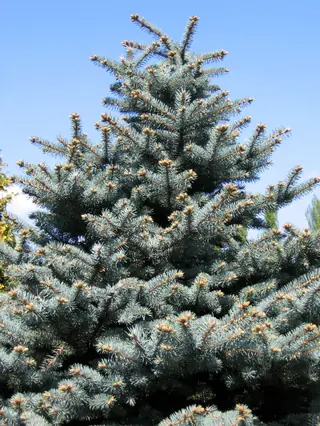 Colorado SprucePicea pungens50 to 75 ftmedium to high waterColorado nativeUSDA 2 to 7
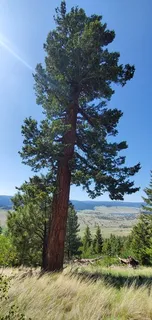 Rocky Mountain Douglas firPseudotsuga menziesii var. glauca40 to 80 ftmedium waterColorado nativeUSDA 4 to 6
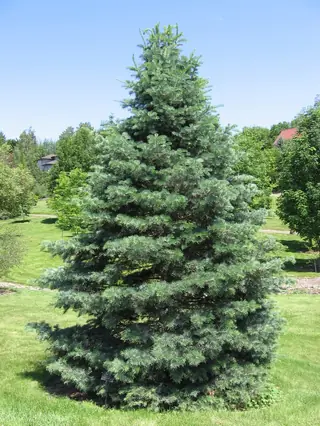 White FirAbies concolor50 to 80 ftmedium waterColorado nativeUSDA 3 to 7
Top shrubs for Fort Collins
Ranked for Fort Collins's hail, drying wind, late frosts and cold and low water use.
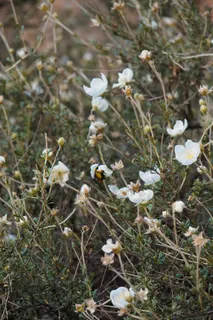 Apache plumeFallugia paradoxa4 to 6 ftlow waterColorado nativeUSDA 4 to 9
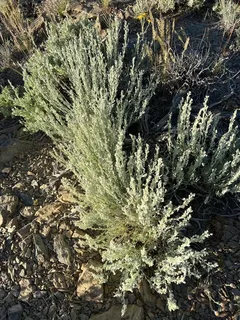 Big sagebrushArtemisia tridentata3 to 8 ftlow waterColorado nativeUSDA 3 to 9
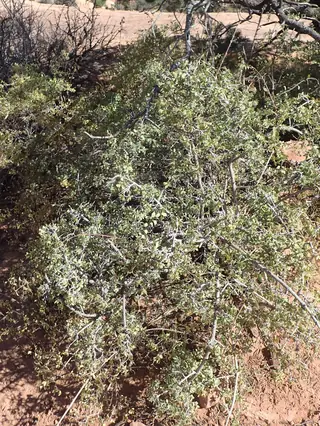 Cliff fendlerbushFendlera rupicola3 to 6 ftlow waterColorado nativeUSDA 5 to 8
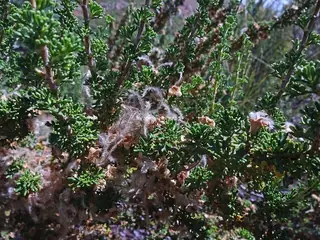 CliffrosePurshia mexicana4 to 8 ftlow waterColorado nativeUSDA 4 to 8
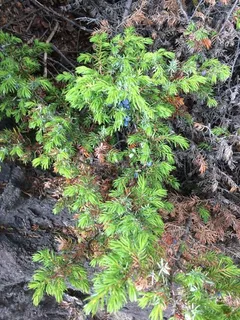 Common juniperJuniperus communis2 to 4 ftlow waterColorado nativeUSDA 2 to 7
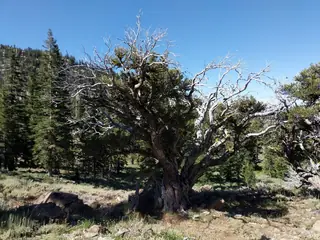 Curlleaf mountain mahoganyCercocarpus ledifolius10 to 20 ftlow waterColorado nativeUSDA 3 to 8
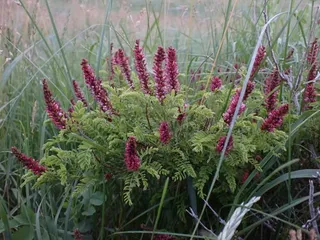 Dwarf wild indigoAmorpha nana1 to 2 ftlow waterColorado nativeUSDA 4 to 9
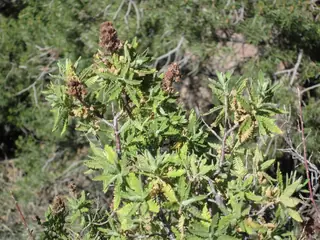 FernbushChamaebatiaria millefolium4 to 6 ftlow waterColorado nativeUSDA 4 to 8
Top perennials for Fort Collins
Ranked for Fort Collins's hail, drying wind, late frosts and cold and low water use.
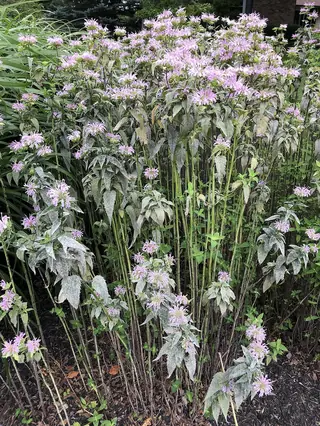 Bee Balm/HorsemintMonarda fistulosa24 inlow waterColorado nativeUSDA 3 to 9
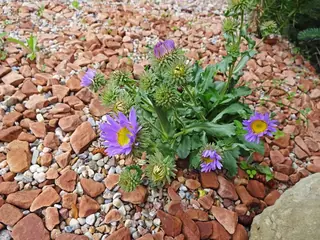 Bigelow's TansyasterMachaeranthera bigelovii24 to 48 inlow waterColorado nativeUSDA 4 to 8
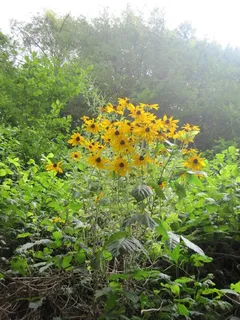 Black-eyed SusanRudbeckia hirta24 inlow waterColorado nativeUSDA 3 to 9
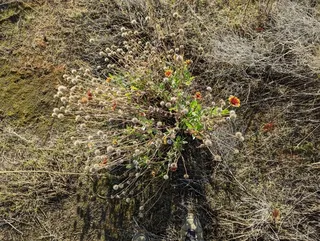 BlanketflowerGaillardia aristata12 inlow waterColorado nativeUSDA 3 to 10
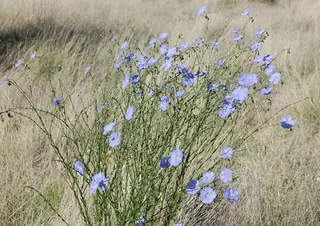 Blue FlaxLinum lewisii18 inlow waterColorado nativeUSDA 4 to 9
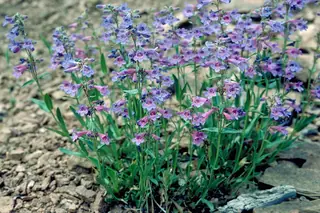 Blue Mist PenstemonPenstemon virens12 inlow waterColorado nativeUSDA 3 to 8
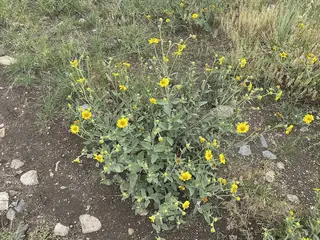 Bush SunflowerHelianthus pumilus20 inlow waterColorado nativeUSDA 4 to 9
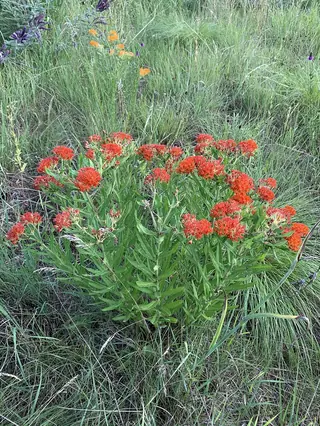 Butterfly MilkweedAsclepias tuberosa18 inlow waterColorado nativeUSDA 3 to 9
Top groundcover for Fort Collins
Ranked for Fort Collins's hail, drying wind, late frosts and cold and low water use.
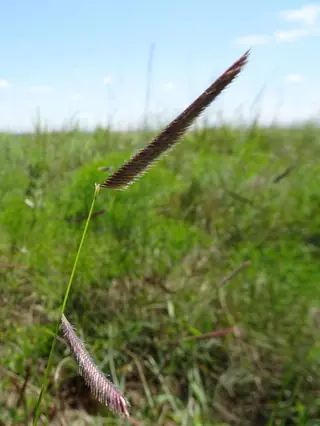 Blue grama grassBouteloua gracilis8 to 18 inlow waterColorado nativeUSDA 3 to 10
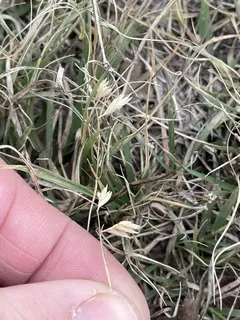 Buffalo grassBouteloua dactyloides4 to 8 inlow waterColorado nativeUSDA 3 to 10
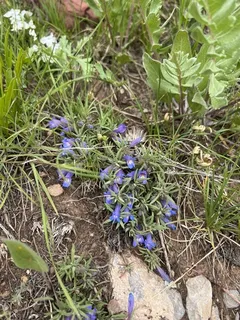 Mat penstemonPenstemon caespitosus2 to 4 inlow waterColorado nativeUSDA 3 to 8
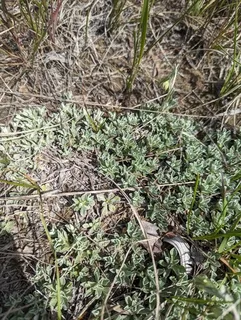 Small-leaf pussytoesAntennaria parvifolia2 to 5 inlow waterColorado nativeUSDA 3 to 8
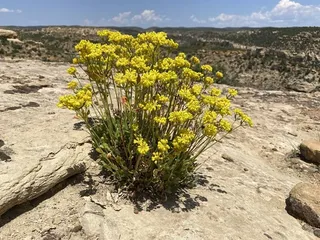 Sulfur buckwheatEriogonum umbellatum6 to 12 inlow waterColorado nativeUSDA 4 to 8
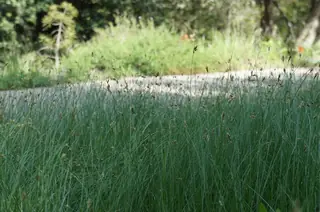 Clustered field sedgeCarex praegracilis8 to 18 inlow to medium waterColorado nativeUSDA 3 to 9
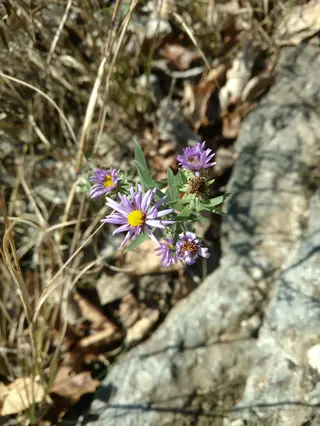 Aromatic asterSymphyotrichum oblongifolium12 to 24 inlow to medium waterColorado nativeUSDA 3 to 8
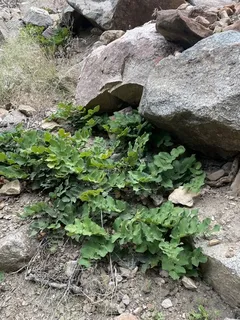 Creeping Oregon grapeMahonia repens10 to 18 inlow to medium waterColorado nativeUSDA 4 to 8
Rebates & water rules in Fort Collins
Fort Collins Utilities water customers; projects must be approved before installation and reach 50% plant coverage at maturity. Residential applications are closed for 2026; the city says to check back in January 2027.
Fort Collins Utilities residential customers. Equipment rebates are first come, first served while funds last; apply within 60 days of purchase. Evaluations run during irrigation season (typically June to August), and Resource Central is now taking a 2027 interest list. You can also borrow a free do-it-yourself sprinkler checkup kit.
Watering rules: Fort Collins has a Xeriscape & Soil Amendment ordinance for new landscapes; watering guidance is typically ≤3 days/week, avoiding 10 a.m. to 6 p.m. Some areas are served by separate districts (e.g., FCLWD) with their own rules, check your provider. current rules →
What's open right now across the Front Range, with dates and the rules that trip people up: lawn replacement rebates by city →
Statewide: new Colorado turf rules (SB24-005/HB25-1113) limit nonfunctional turf in new development, and HOAs can't ban xeriscaping (SB23-178). Read the statewide rules →
Local resources near Fort Collins
- Botanic garden
The Gardens on Spring Creek, Fort Collins's 18-acre community botanic garden, demonstration beds, classes, and events. - Demonstration garden
CSU Annual Flower Trial Garden, 1,200+ varieties trialed under Colorado conditions; free to visit. - Extension
CSU Extension, Larimer County Master Gardeners / Native Plant Master, Master Gardener help desk plus a Native Plant Master class program. - Native plant society
Colorado Native Plant Society, Northern Chapter, The most active chapter for Fort Collins and Loveland.
When to plant in Fort Collins
Plant trees, shrubs, and perennials in spring (late April to May) or early fall. Amend the heavy clay with compost, and don't plant tender annuals until the soil warms in late May given erratic late frosts. In Larimer County's heavy clay, work compost in before planting and wait out the erratic May frosts.
Video
Video PlantTalk Colorado: tree planting & care (CSU Extension, based in Fort Collins)
Fort Collins gardening FAQ
- What hardiness zone is Fort Collins?
- Fort Collins is USDA zone 5b, with warmer 6a pockets in sheltered urban areas.
- When is the last frost in Fort Collins?
- The average last spring frost is around May 11, but there's roughly a 30% chance of a 28°F freeze after May 15, wait for warm soil before planting tender annuals.
- Is there a turf rebate in Fort Collins?
- Yes, but not right now. Fort Collins Utilities' Xeriscape Incentive Program (XIP) pays $0.75 per sq ft (up to $750), plus a $0.25 per sq ft native-plant bonus for up to $1,000 total, with approval required before you install. Residential applications are closed for 2026; the city says to check back in January 2027.
Targeted guides for Fort Collins
Plan your garden
Not sure what to plant? The finder matches Front Range trees, shrubs, perennials, and groundcover to your soil, water, sun, and zone.
Other Front Range city guides
Boulder Colorado Springs Castle Rock Denver Aurora Longmont Loveland Greeley All cities →
Or browse by need: low-water trees · native trees · xeric groundcover