Best plants for Denver gardens
Denver gardens sit a mile high in USDA zone 6a on alkaline clay, with only 12–15 inches of precipitation, intense high-altitude sun, and a last frost in mid-May. The defining challenges are heat and drought, frequent hail, and an active emerald ash borer infestation, so the plants below are water-wise, hail-resilient, and ash-free.
Last updated 2026-05-31
Plan your garden
Not sure what to plant? The finder matches Front Range trees, shrubs, perennials, and groundcover to your soil, water, sun, and zone.
Denver growing conditions
- USDA hardiness zone
- 6a (warmer 6b urban-core pockets, cooler 5b at the edges)
- Elevation
- 5,280 ft
- Avg. annual precipitation
- ~12–15 in
- Soil
- alkaline clay loam, high pH, often expansive (swelling), low organic matter
- Avg. last spring frost
- mid-May
- Avg. first fall frost
- early-to-mid October
- Growing season
- ~150 days
At exactly a mile high, Denver's urban heat island nudges the core toward zone 6b while exposed edges stay 5b. The combination of high altitude and ~300 sunny days makes sun far more intense than in most of the country, and the alkaline, often-expansive clay locks up iron (causing chlorosis) and heaves foundations. Amend heavily and water deeply.
What's challenging in Denver
Emerald ash borer is in Denver
EAB was confirmed in Denver in 2025; the city has roughly 330,000 ash trees, about one in six of all its trees. If you have an ash (genus Fraxinus), consult a certified arborist about treatment versus replacement, and don't plant new ash. The trees below are diverse, non-ash species. (source)
Mile-high heat, low water, 2026 drought
Denver receives only 12–15 inches of precipitation a year, and in 2026 Denver Water declared its first Stage 1 drought since 2013. Outdoor watering is limited to two days a week, never between 10 a.m. and 6 p.m. Low-water, deep-rooted plants thrive; thirsty bluegrass struggles. (source)
Hail Alley
The Front Range sees the most large hail in North America, with peak storms May–August. Tough, flexible, fast-recovering plants fare best.
Top trees for Denver
Ranked for Denver's hail, drying wind and low water use.
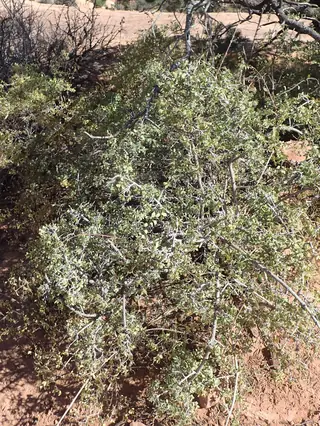
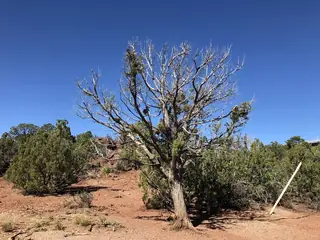 One JuniperJuniperus monosperma
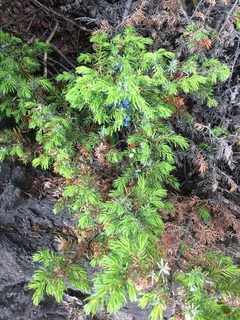
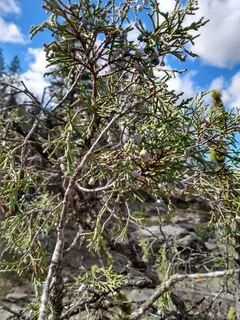 Rocky Mountain Juniper (species)Juniperus scopulorum
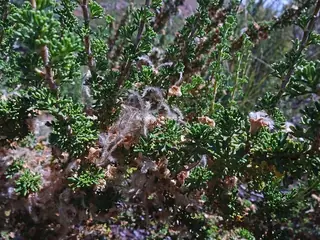
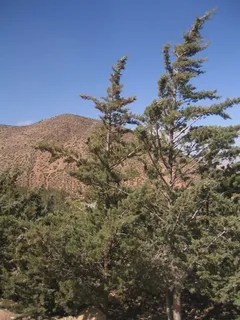 Arizona CypressHesperocyparis arizonica
- Arizona Cypress 'Blue Ice'Hesperocyparis arizonica
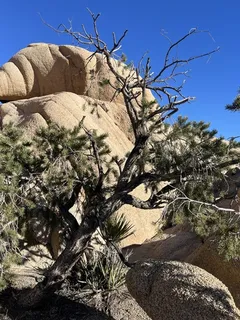 Singleleaf Pinyon PinePinus monophylla
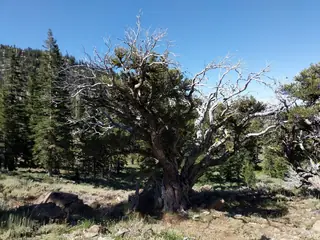
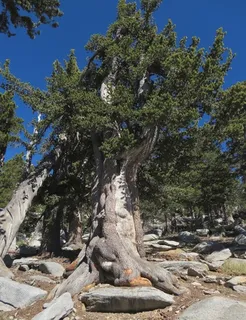 'Vanderwolf's Pyramid' PinePinus flexilis
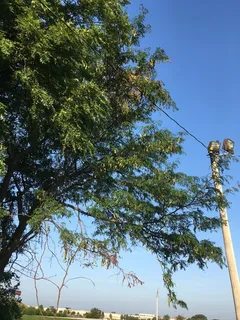 Thornless Common Honeylocust (IMPERIAL®)Gleditsia triacanthos
- Thornless Common Honeylocust (NORTHERN ACCLAIM®)Gleditsia triacanthos
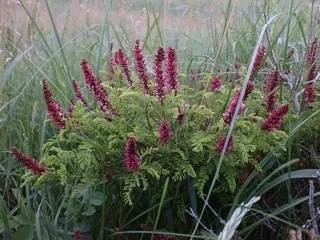
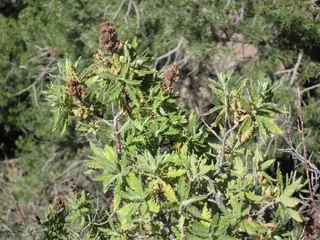
Top shrubs for Denver
Ranked for Denver's hail, drying wind and low water use.
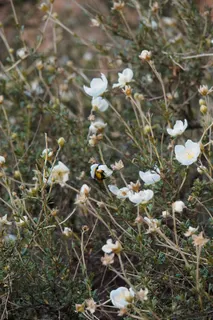
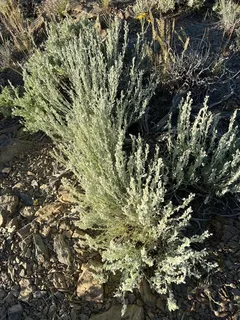
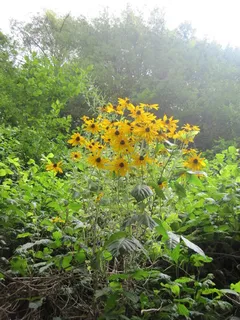
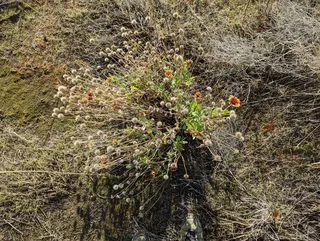
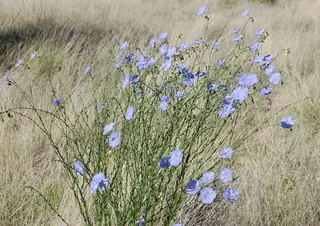
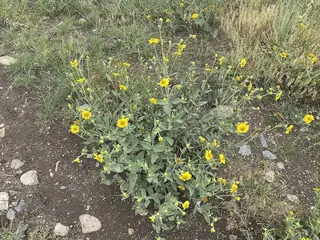
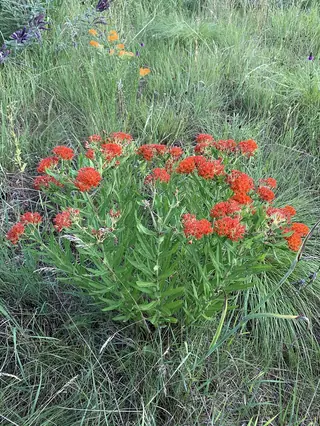
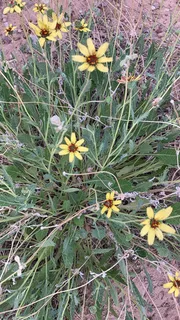
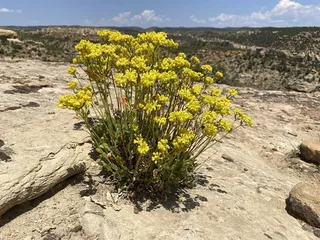
Top perennials for Denver
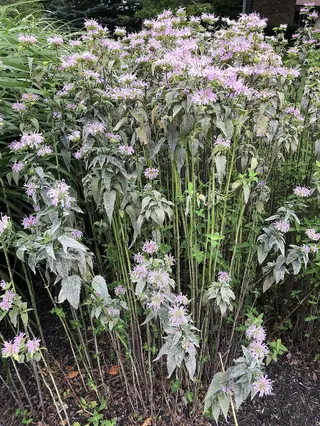
Ranked for Denver's hail, drying wind and low water use.
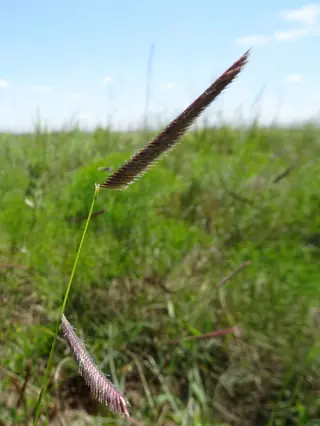
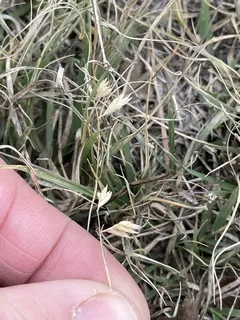
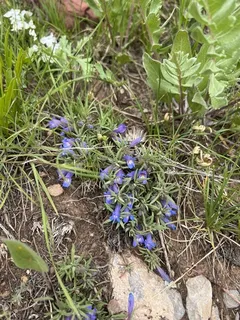
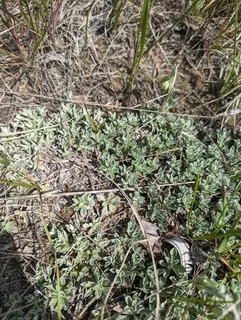
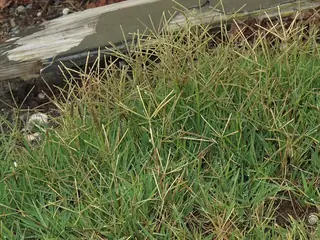
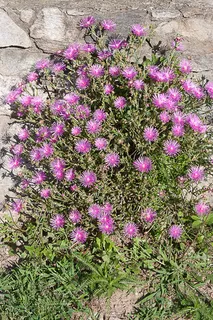
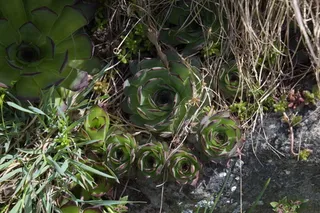
Top groundcover for Denver
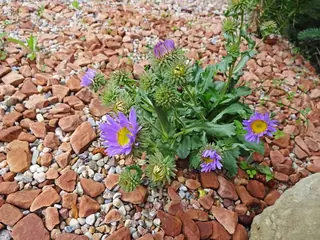
Ranked for Denver's hail, drying wind and low water use.
Rebates & water rules in Denver
Denver Water customers
Denver Water customers, 2026 discounts are fully allocated; applications closed for the year. Plan for the next cycle.
Watering rules: Summer Watering Rules run May 1–Oct 1; under the 2026 Stage 1 drought, watering is 2 days/week, never 10 a.m.–6 p.m. (days assigned by address). current rules →
Statewide: new Colorado turf rules (SB24-005/HB25-1113) limit nonfunctional turf in new development, and HOAs can't ban xeriscaping (SB23-178). Read the statewide rules →
Local resources near Denver
- Botanic garden
Denver Botanic Gardens, World-class gardens including the Denver Water Water-Smart xeriscape demonstration garden. - Extension
CSU Extension, Denver County Master Gardeners, Master Gardener help plus demonstration gardens (incl. Harvard Gulch Park). - Reference
Denver Public Library, Garden & Xeriscape resources, Free local gardening and xeriscape guides.
When to plant in Denver
Plant in spring (April–May) or early fall, amend the clay with compost, and water deeply but infrequently. Expect hail May–August. Hold tender annuals until mid-May. Denver's mile-high sun is intense. Mulch beds and let them warm before tomatoes go out.
Video
📺 PlantTalk Colorado: xeriscape & planting videos (CSU Extension + Denver Botanic Gardens)
Denver gardening FAQ
- What hardiness zone is Denver?
- Denver is USDA zone 6a, with warmer 6b pockets in the dense urban core and cooler 5b at exposed edges.
- When is the last frost in Denver?
- The average last spring frost is mid-May; wait for warm soil before planting tender annuals.
- Should I plant an ash tree in Denver?
- No, emerald ash borer is established in Denver. Plant a diverse non-ash species and consult a certified arborist about any existing ash.
- Is there a turf rebate in Denver?
- Denver Water offers a $25 Garden In A Box discount (active) and up to $750 toward turf removal via Resource Central, but 2026 turf-removal discounts are fully allocated/closed. Verify current status with Denver Water.
Targeted guides for Denver
Plan your garden
Not sure what to plant? The finder matches Front Range trees, shrubs, perennials, and groundcover to your soil, water, sun, and zone.
Other Front Range city guides
Boulder Colorado Springs Castle Rock Fort Collins Aurora Longmont Loveland Greeley All cities →
Or browse by need: low-water trees · native trees · xeric groundcover