Quaking Aspen vs Bigtooth Maple for the Colorado Front Range
Quick answer
For most Front Range yards below about 7,500 ft, plant bigtooth maple, not aspen. Aspen is a montane native that declines on the plains, heat, sunscald, borers, and disease, while bigtooth maple is a tough, low-water foothills native that gives the same fiery orange-red fall and actually thrives here. Plant aspen only at high elevation.
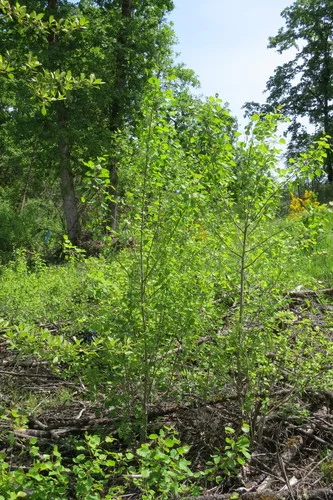
Quaking Aspen
Populus tremuloides
Quaking aspen, a montane native that struggles at plains/foothills elevation.
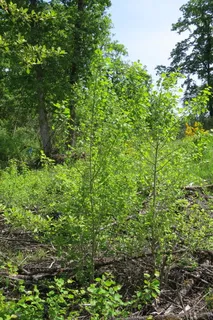
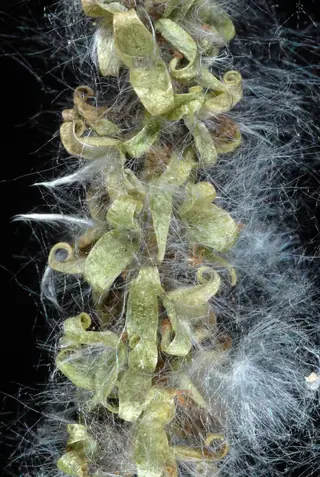
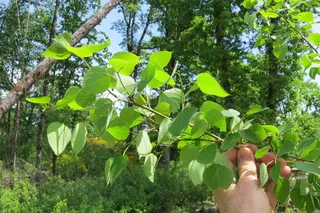
View full Quaking Aspen page →
Photos: (c) Ed Alverson, some rights reserved (C, (c) Douglas Goldman, some rights reserve
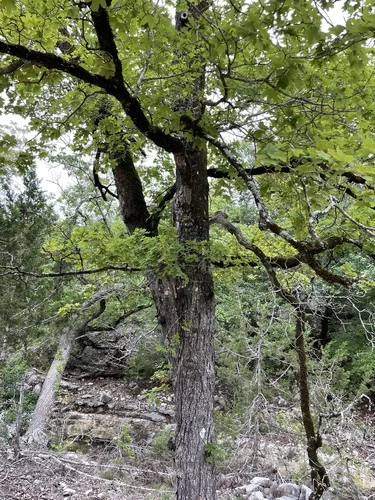
Bigtooth Maple
Acer grandidentatum
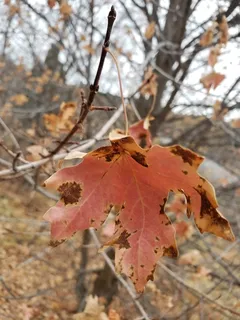
Bigtooth maple ('Western sugar maple'); sometimes hard to find, worth seeking out.
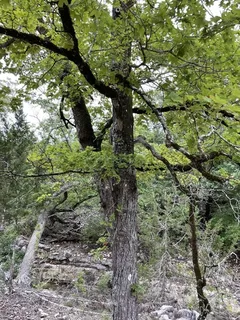
View full Bigtooth Maple page →
Photos: no rights reserved, (c) Logan, some rights reserved (CC BY)
| Quaking Aspen | Bigtooth Maple | |
|---|---|---|
| Water need | medium water | low to medium water✓ Better here |
| Cold hardiness | USDA 1–6✓ Better here | USDA 4–8 |
| Wind tolerance | Low | Moderate✓ Better here |
| Hail tolerance | Low | Moderate✓ Better here |
| Mature size | 20–50 ft tall · 10–30 ft wide | 20–30 ft tall · 15–25 ft wide |
| Speed to shade | Fast | Slow, a long-term, legacy tree |
| Local availability | Widely available✓ Better here | Limited at nurseries |
| Problems to watch | Cytospora canker; Poplar and aspen borers; Leaf spot and rust in wet springs | Aphids and honeydew; Verticillium wilt on some species; Leaf scorch in hot |
| Lifespan | Short | Long✓ Better here |
| Fall color | Gold, Yellow | Orange, Red |
| Pollinator value | Low | High✓ Better here |
| Sun | Full | Full, Partial |
| Bothalkaline clay tolerant · salt tolerance moderate · colorado native yes · litter / cleanup minimal · mature form oval | ||
"Better here" marks the choice better suited to typical Front Range conditions, water, soil pH, cold hardiness, and wind. Growth rate and mature size are tradeoffs, not scored.
Heads-up on Quaking Aspen: Aspen struggles below ~7,500 ft on the plains, heat stress, sunscald, Cytospora canker, and borers (oystershell scale, poplar borer) cause decline. It's a montane native; performs poorly as a single landscape specimen at lower elevations.
Ratings from the 2024 Front Range Tree Recommendation List + CSU Extension, how we rate plants →
Where they differ
People plant aspen for the white bark and golden quiver, but it's the wrong tree at city elevation: rated only 'Trees With Potential', short-lived, with low hail and wind tolerance and a long list of pests (Cytospora canker, borers) once it's heat-stressed below ~7,500 ft. Bigtooth maple, the 'Western sugar maple', is a Recommended foothills native that's low-water, long-lived, and turns brilliant orange-red in fall. The trade-off is size and patience: bigtooth is smaller (20–30 ft), slow, and can be hard to find.
Which should you plant?
Choose Quaking Aspen if…
- Your property is above ~7,500 ft, where aspen belongs
- You want the white bark and fluttering golden leaves
- You can plant a grove (they sucker) and accept a short life
- You'll water it and watch for borers and canker
Choose Bigtooth Maple if…
- You're at typical Front Range / plains elevation
- You want reliable fiery fall color that actually lasts
- You want a tough, low-water, long-lived native
- You're patient (it's slow) and will hunt down a nursery that carries it
Through the seasons
Quaking Aspen: gold, yellow fall color · bold bare-branch winter form.
Bigtooth Maple: orange, red fall color · bold bare-branch winter form.
Front Range considerations
Elevation is the deciding factor. Quaking aspen is a montane species adapted to cool, high country; below about 7,500 ft on the plains it suffers heat stress, sunscald, Cytospora canker, and borers, and rarely lives long, which is why it's only 'Trees With Potential' here. Bigtooth maple evolved in the foothills, so our sun, drought, and alkaline soil don't faze it, and it rewards you with aspen-rivaling fall color. It's low-water once established but worth deep-watering young; its main downside is limited nursery availability.
Plan your garden
Not sure what to plant? The finder matches Front Range trees, shrubs, perennials, and groundcover to your soil, water, sun, and zone.
Ready to plant Bigtooth Maple?
Frequently asked questions
- Why does aspen struggle on the Front Range?
- Aspen is a high-elevation montane native. Below about 7,500 ft it gets heat-stressed and sunscalded, then falls to Cytospora canker and borers, so a single landscape aspen on the plains usually declines within a few years.
- What's a good aspen alternative for fall color?
- Bigtooth maple, the 'Western sugar maple.' It's a tough Front Range foothills native that turns brilliant orange-red in fall and actually thrives at city elevation, unlike aspen.
- Is bigtooth maple hard to find?
- It can be, it's less commonly stocked than aspen. Ask native-plant nurseries or order it in; the long-term payoff over a struggling aspen is large.
- Which is more drought-tolerant?
- Bigtooth maple, it's rated low-to-medium water and is genuinely drought-tough once established. Aspen needs steadier moisture and still struggles with our heat at low elevation.
- Do aspens really sucker and spread?
- Yes, aspen spreads aggressively by root suckers and is happiest as a clonal grove, which can become a maintenance issue in a small yard. Bigtooth maple stays put as a single tree.
- How big do they get?
- Landscape aspen runs about 20–40 ft but short-lived; bigtooth maple matures around 20–30 ft and lives for generations, the better long-term investment for a small yard.
- Can I grow aspen at all on the Front Range?
- At higher elevations (roughly 7,500 ft and up) aspen can do well. Lower down, plant it only if you accept a short life and active care, or choose bigtooth maple instead.
Bottom line
For most Front Range yards, plant Bigtooth Maple. Choose Quaking Aspen only if your property is above ~7,500 ft, where aspen belongs.
Find Bigtooth Maple near you
Related comparisons
Autumn Blaze Maple vs Bigtooth Maple · All tree comparisons
See other low-water Front Range trees · Browse all Front Range trees