Autumn Blaze Maple vs Bigtooth Maple for the Colorado Front Range
Quick answer
For most Front Range yards, plant bigtooth maple, not Autumn Blaze. Autumn Blaze is the best-selling maple in America, but it's rated Not Recommended here, our alkaline clay gives it chronic iron chlorosis. Bigtooth maple, a native, delivers the same red-orange fall and actually thrives in our soil and drought. Autumn Blaze only tempts with faster, bigger growth.
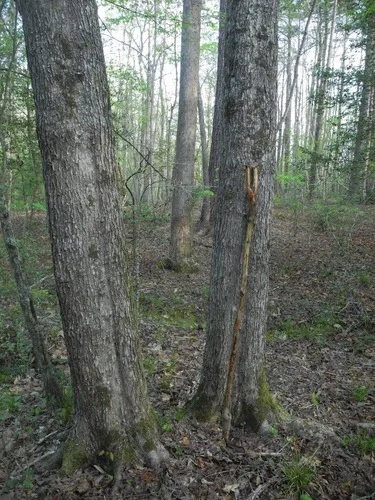
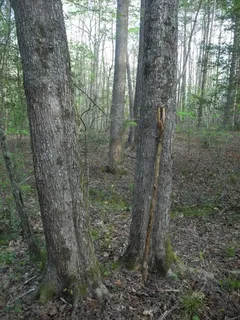
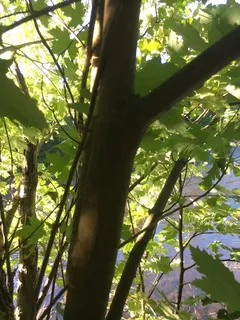
Autumn Blaze Maple
Acer x freemanii
Autumn Blaze® and other Freeman maples (Acer × freemanii), chlorosis-prone here.
View full Autumn Blaze Maple page →
Photos: (c) Michael J. Papay, some rights reserv, (c) Dan MacNeal, some rights reserved (C, Plant Image Library (CC BY-SA 2)
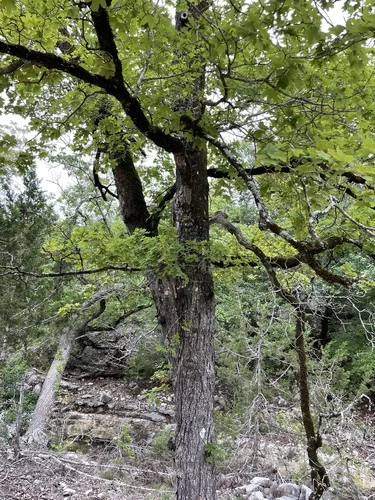
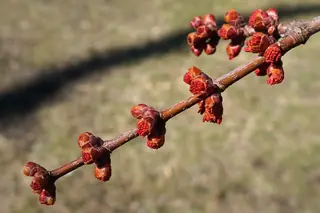
Bigtooth Maple
Acer grandidentatum
Bigtooth maple ('Western sugar maple'), a Front Range foothills native.
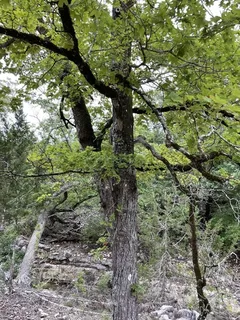
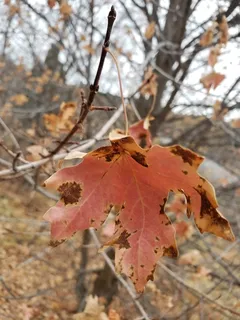
View full Bigtooth Maple page →
Photos: no rights reserved, (c) Logan, some rights reserved (CC BY)
| Autumn Blaze Maple | Bigtooth Maple | |
|---|---|---|
| Water need | medium water | low to medium water✓ Better here |
| Alkaline clay | Chlorosis risk | Tolerant✓ Better here |
| Colorado native | — | Yes |
| Mature size | 40–60 ft tall · 30–50 ft wide | 20–30 ft tall · 15–25 ft wide |
| Speed to shade | Fast | Slow, a long-term, legacy tree |
| Local availability | Widely available✓ Better here | Limited at nurseries |
| Lifespan | Medium | Long✓ Better here |
| Fall color | Red, Orange | Orange, Red |
| Bothcold hardiness usda 4–8 · wind tolerance moderate · salt tolerance moderate · hail tolerance moderate · litter / cleanup minimal · problems to watch aphids and honeydew; verticillium wilt on some species; leaf scorch in hot · pollinator value high · sun full, partial · mature form oval | ||
"Better here" marks the choice better suited to typical Front Range conditions, water, soil pH, cold hardiness, and wind. Growth rate and mature size are tradeoffs, not scored.
Heads-up on Autumn Blaze Maple: Develops iron chlorosis in our alkaline soils, leaves yellow with green veins, then decline.
Ratings from the 2024 Front Range Tree Recommendation List + CSU Extension, how we rate plants →
Where they differ
This is the classic 'popular tree, wrong place' matchup. Autumn Blaze (a Freeman maple) grows fast to a big 40–60 ft and lights up red in fall, which is why it's everywhere, but it's flagged for soil chemistry and reliably yellows with iron chlorosis in our high-pH clay, declining over time. Bigtooth maple is a slower, smaller (20–30 ft) Front Range native that's flagged for nothing, sips water, lives for generations, and turns the same brilliant orange-red. You trade size and speed for a tree that actually works.
Which should you plant?
Choose Autumn Blaze Maple if…
- You want fast, large shade and rich red fall, and accept the risk
- Your soil is amended or neutral and you'll treat for chlorosis
- You'll commit to chelated iron and soil sulfur long-term
- You want a tree stocked at every garden center
Choose Bigtooth Maple if…
- You want red-orange fall color that survives our alkaline clay
- You want a tough, low-water, long-lived native
- You have a smaller space (20–30 ft) and some patience
- You'll seek it out at a native-plant nursery
Through the seasons
Autumn Blaze Maple: red, orange fall color · bold bare-branch winter form.
Bigtooth Maple: orange, red fall color · bold bare-branch winter form.
Front Range considerations
Alkaline clay is the deciding hazard. Front Range soils run pH 7.5–8.2, and Autumn Blaze (like other Freeman and red maples) can't pull enough iron from that ground, it develops chronic iron chlorosis (yellow leaves, green veins) and slowly declines, which is why it's rated Not Recommended despite being the country's best-selling maple. Bigtooth maple evolved in our foothills, so the same soil and drought don't faze it. If you already have an Autumn Blaze, chelated iron and soil sulfur help; for a new planting, bigtooth (or another adapted tree) saves you the fight.
Plan your garden
Not sure what to plant? The finder matches Front Range trees, shrubs, perennials, and groundcover to your soil, water, sun, and zone.
Ready to plant Bigtooth Maple?
Frequently asked questions
- Why is Autumn Blaze maple not recommended for the Front Range?
- Our alkaline clay (pH 7.5–8.2) starves Freeman maples like Autumn Blaze of iron, causing chronic iron chlorosis, yellow leaves with green veins, and gradual decline. It's flagged for soil chemistry and rated Not Recommended here.
- What maple can I plant instead for red fall color?
- Bigtooth maple, the 'Western sugar maple,' a Front Range foothills native that turns brilliant orange-red and thrives in the same alkaline soil that makes Autumn Blaze sick.
- Is bigtooth maple slower than Autumn Blaze?
- Yes, bigtooth is slow and stays smaller (20–30 ft) versus Autumn Blaze's fast 40–60 ft. You trade size and speed for a tree that's actually healthy here and lives far longer.
- Can I keep an Autumn Blaze healthy in alkaline soil?
- Sometimes, with ongoing chelated-iron treatments and soil sulfur, but it's a recurring battle and many decline anyway. For a new planting, an adapted tree like bigtooth maple is the lower-maintenance choice.
- Which is more drought-tolerant?
- Bigtooth maple, it's rated low-to-medium water and is drought-tough once established. Autumn Blaze needs steadier moisture and still suffers in our soil.
- Is bigtooth maple hard to find?
- It's less common than Autumn Blaze, which is stocked nearly everywhere. Ask native-plant nurseries or order it in, the long-term health payoff is worth the hunt.
- Do they have the same fall color?
- Close, both are known for red-to-orange fall. The difference is a healthy bigtooth delivers it every year here, while a chlorotic Autumn Blaze often looks yellow-sick instead.
Bottom line
For most Front Range yards, plant Bigtooth Maple. Choose Autumn Blaze Maple only if you want fast, large shade and rich red fall, and accept the risk.
Find Bigtooth Maple near you
Related comparisons
Quaking Aspen vs Bigtooth Maple · All tree comparisons
See other low-water Front Range trees · Browse all Front Range trees