Scotch Pine
Pinus sylvestris
Scotch Pine (Pinus sylvestris) is a tree suited to the Colorado Front Range, rated "Recommended for Most Sites" on the 2024 Front Range Tree Recommendation List. It matures to about 40 to 60 ft tall and 25 to 40 ft wide, slow-growing, needs medium water, and prefers full sun. Pine wilt nematode (PWN).
medium water40 to 60 ft tall and 25 to 40 ft wide
Photos
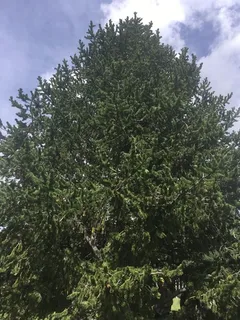
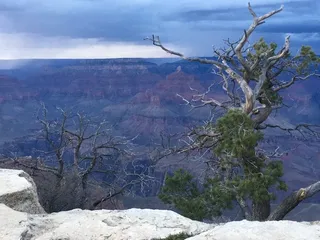
- Photo 1: (c) Patrick Cox, some rights reserved (CC BY)
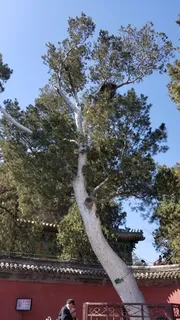
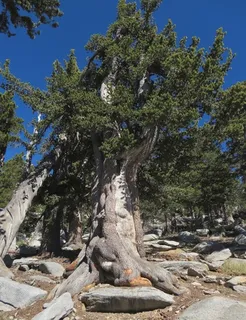
- Photo 2: (c) anemoneprojectors (no internet at the moment), some rights reserved (CC BY-SA)
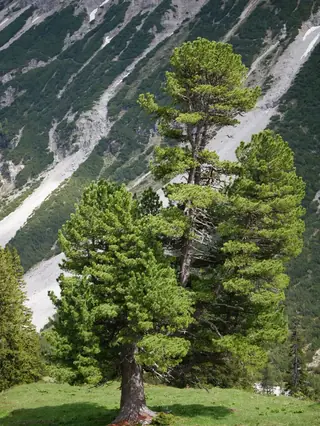
- Photo 3: (c) Matthew Blissett, some rights reserved (CC BY)
At a glance
Will it survive here?
- Hardiness zones
- USDA 3 to 7
- Water needs
- medium water
- Sun
- Best in full sun.
- Soil
- loam, sandy, well drained only
- Soil pH
- 6.0 to 8.2
- Hail tolerance
- high
- Wind tolerance
- high
- Salt tolerance
- moderate
How big, what shape?
- Mature size
- 40 to 60 ft tall and 25 to 40 ft wide
- Mature form
- Pyramidal
- Spacing / clearance
- ~40 ft of clearance
- Growth rate
- Slow
- Lifespan
- Long-lived
What it looks like, and when
- Foliage
- Evergreen
Who else benefits
- Pollinator value
- low
- Deer
- Not rated
- Colorado native
- No
Also worth knowing
- Fire rating
- Ignitable (CSU): keep 30+ ft from the house, thinned
Site factors to consider
- Critical: Insects & DiseasesMain pressure here is Mountain pine beetle in drought-stressed pines, so keep it vigorous with steady water and a well-chosen site.
Common problems on the Front Range
- Mountain pine beetle in drought-stressed pines
- Pine wilt nematode (esp. Scots and Austrian pine)
- Pine needle scale
These are general tendencies for this group of plants on the Front Range, not a diagnosis. Many are stress-driven and preventable with good siting and watering. For a specific plant or an active problem, consult a certified arborist or your local CSU Extension office.
Frequently asked questions
- Is Scotch Pine good for the Colorado Front Range?
- Yes, Scotch Pine is a well-suited tree for Colorado's Front Range, rated "Recommended for Most Sites" on the 2024 Front Range Tree Recommendation List.
- How big does Scotch Pine get?
- It matures to about 40 to 60 ft tall and 25 to 40 ft wide.
- How much room does Scotch Pine need?
- Give Scotch Pine about 40 ft of clearance from buildings, fences, and other trees so the mature canopy isn't crowded.
- What shape does Scotch Pine grow into?
- Scotch Pine typically grows into a pyramidal, conical outline that is widest at the base. This is the species' usual mature form, named cultivars (columnar, weeping, or compact selections) can differ, so check the specific cultivar.
- Is Scotch Pine hardy on the Front Range?
- Scotch Pine is hardy in USDA 3 to 7. The Colorado Front Range spans roughly USDA 4b to 6a, so it is well within range.
- How much water does Scotch Pine need?
- It needs medium water once established.
- How fast does Scotch Pine grow?
- Scotch Pine is a slow-growing tree. Growth rate depends on water and site conditions on the Front Range.
- How long does Scotch Pine live?
- Scotch Pine is long-lived, a multi-generational tree given good siting and care. Actual lifespan varies with site, water, and care.
- Is Scotch Pine native to Colorado?
- No. It is not a Colorado native, but it grows well on the Front Range.
- Is Scotch Pine a good firewise plant near the house?
- Scotch Pine is listed by CSU Extension among the more ignitable plants, so keep it 30 or more feet from the house and keep it thinned and well maintained. This is general guidance based on CSU Extension Fact Sheet 6.305 (2025), not a guarantee that any plant won't burn, a well-irrigated, well-maintained plant is the goal. Follow CSU Extension defensible-space guidance and check with your local fire district before planting in the wildland-urban interface.
- Is Scotch Pine prone to pests or disease on the Front Range?
- Scotch Pine can be affected by mountain pine beetle in drought-stressed pines and other issues common to this group on the Front Range. These are general tendencies, not a diagnosis, many are stress-driven and preventable with good siting and watering. For a specific plant or an active problem, consult a certified arborist or CSU Extension.