winter creeper
Euonymus fortunei
winter creeper (Euonymus fortunei) is a perennial suited to the Colorado Front Range. It matures to about 36 in tall and 18 to 24 in wide, needs medium water, and prefers full sun to partial shade. Fire-wise zone 1-2 perennial; CSU 6.305 score 8.0 of 10.
On the CSFS firewise listmedium water36 in tall and 18 to 24 in wideXeric / water-wiseLow ignitability: OK 0-30 ft from the house, CSU score 8/10Toxic to dogs
Photos
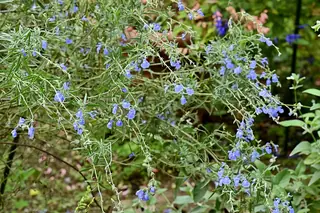
- Photo 1: (c) Sylvia Scharf, some rights reserved (CC BY)
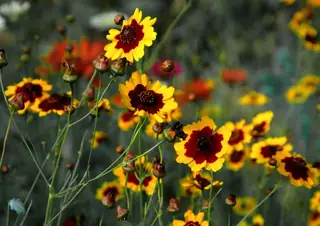
- Photo 2: (c) Kailey Alderfer, some rights reserved (CC BY)
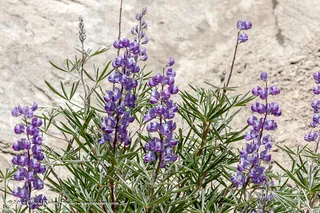
- Photo 3: (c) Kailey Alderfer, some rights reserved (CC BY)
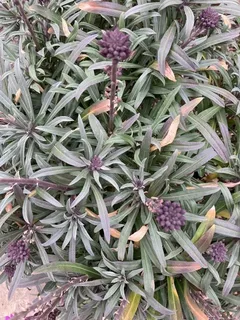
- Photo 4: DouglasGoldman, Wikimedia Commons (CC-BY-SA)
- Photo 5: Krzysztof Ziarnek, Kenraiz, Wikimedia Commons (CC-BY-SA)
- Photo 6: DouglasGoldman, Wikimedia Commons (CC-BY-SA)
At a glance
Will it survive here?
- Hardiness zones
- USDA 4 to 9
- Water needs
- medium water
- Sun
- Best in full sun; tolerates partial shade.
- Soil
- clay, loam, sandy
- Soil pH
- 6.5 to 8.0
- Hail tolerance
- high
- Wind tolerance
- high
- Salt tolerance
- moderate
- Site uses
- Slopes & erosion control
How big, what shape?
- Mature size
- 36 in tall and 18 to 24 in wide
- Planting spacing
- ~17 to 24 in apart
What it looks like, and when
- Bloom time
- mid spring
- Bloom color
- white, green
- Bloom length
- Long (several weeks)
- Foliage
- Deciduous
Who else benefits
- Pollinator value
- high
- Deer
- Not rated
- Colorado native
- No
Also worth knowing
- Fire rating
- Low ignitability: OK 0-30 ft from the house, CSU score 8/10
Things to know before you plant
- Toxic to dogsConsidered toxic to dogs, so keep pets away from it and check with your vet.
Common problems on the Front Range
- Euonymus scale (can be severe)
- Crown gall
These are general tendencies for this group of plants on the Front Range, not a diagnosis. Many are stress-driven and preventable with good siting and watering. For a specific plant or an active problem, consult a certified arborist or your local CSU Extension office.
Planting & establishment
Deep-water first season to establish, then minimal water needed.
Frequently asked questions
- Is winter creeper good for the Colorado Front Range?
- Yes, winter creeper is a well-suited perennial for Colorado's Front Range.
- What should I know before planting winter creeper?
- The main things to know: Considered toxic to dogs, so keep pets away from it and check with your vet.
- How big does winter creeper get?
- It matures to about 36 in tall and 18 to 24 in wide.
- How far apart do I plant winter creeper?
- Space winter creeper about 17 in apart for a faster, fuller bed, or up to 24 in apart for a looser planting.
- Is winter creeper hardy on the Front Range?
- winter creeper is hardy in USDA 4 to 9. The Colorado Front Range spans roughly USDA 4b to 6a, so it is well within range.
- How much water does winter creeper need?
- It needs medium water once established.
- Is winter creeper safe for dogs?
- No. winter creeper is considered toxic to dogs. Keep pets away and check with your vet.
- Is winter creeper a good firewise plant near the house?
- winter creeper is rated 8 of 10 in CSU Extension Fact Sheet 6.305 (2025), where higher means less ignitable, so it can go within 0 to 5 feet of the house as well as out to 30 feet when kept watered and tidy. This is general guidance based on CSU Extension Fact Sheet 6.305 (2025), not a guarantee that any plant won't burn, a well-irrigated, well-maintained plant is the goal. Follow CSU Extension defensible-space guidance and check with your local fire district before planting in the wildland-urban interface.
- Is winter creeper prone to pests or disease on the Front Range?
- winter creeper can be affected by euonymus scale (can be severe) and other issues common to this group on the Front Range. These are general tendencies, not a diagnosis, many are stress-driven and preventable with good siting and watering. For a specific plant or an active problem, consult a certified arborist or CSU Extension.
- How long does winter creeper bloom?
- winter creeper blooms for several weeks, a long-season performer on the Front Range. Bloom timing shifts a week or two with elevation and spring weather.