Colorado Blue Spruce vs Black Hills Spruce for the Front Range
Quick answer
For most Front Range screens and smaller yards, plant Black Hills spruce, it's tougher and denser, stays a manageable 25–40 ft, and carries no soil or salt flags, while Colorado blue spruce is the iconic 50–75 ft specimen that needs real space and is increasingly plagued by spider mites and needlecast. Choose blue spruce when you have room for a showpiece.
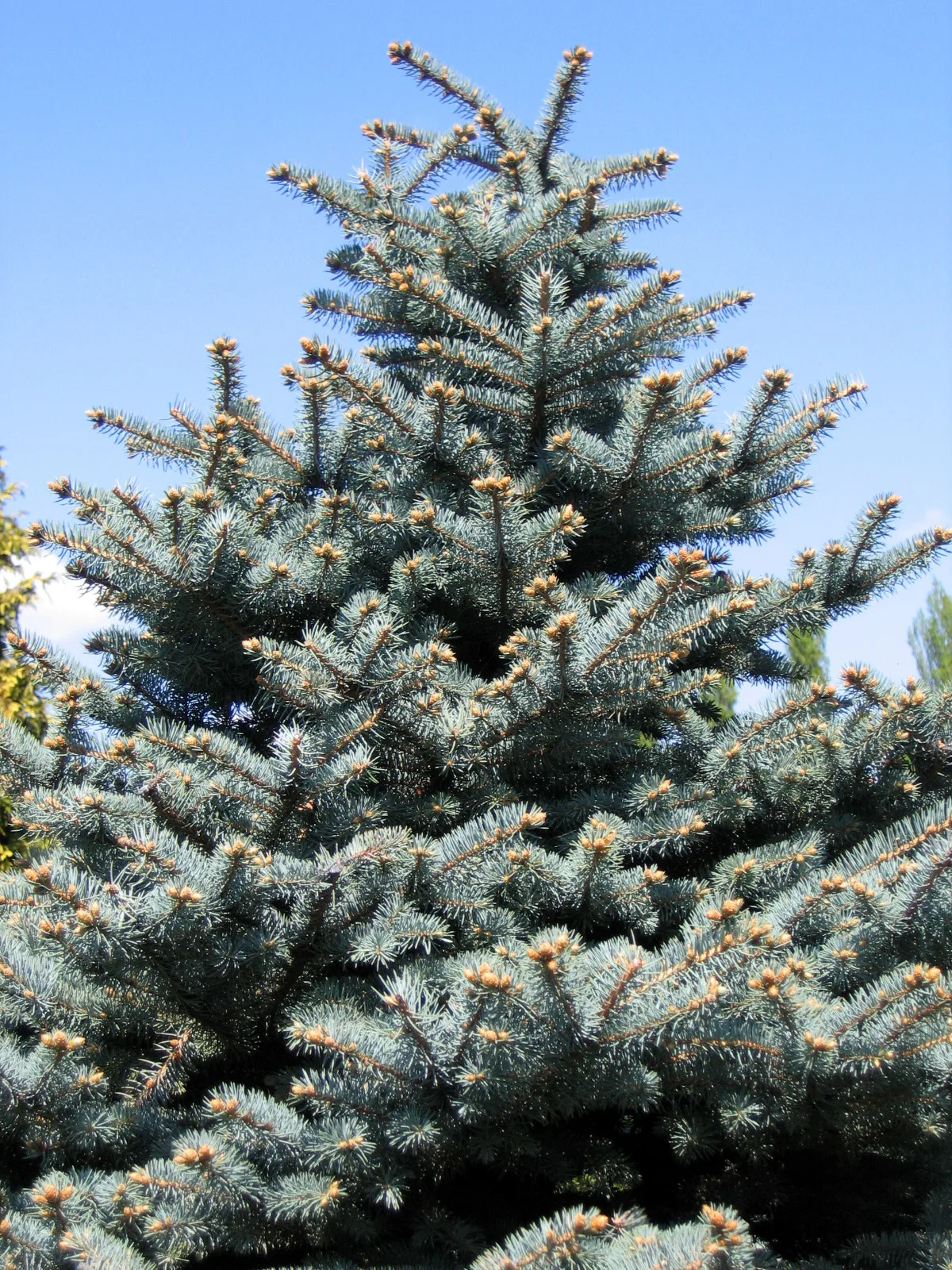
Colorado Blue Spruce
Picea pungens
Colorado blue spruce (Picea pungens), our state tree.
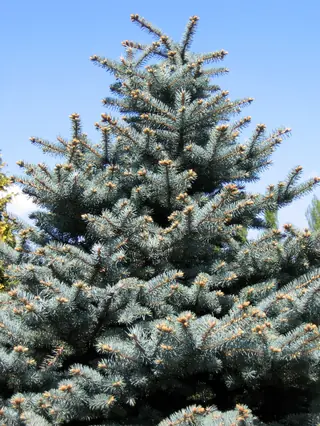
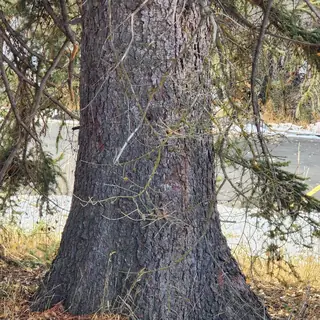
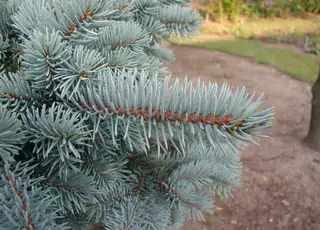
View full Colorado Blue Spruce page →
Photos: Agnieszka Kwiecień (Nova) (CC BY 2), (c) Lyrae, some rights reserved (CC BY),, "Picea-pungens" is licensed under CC BY-
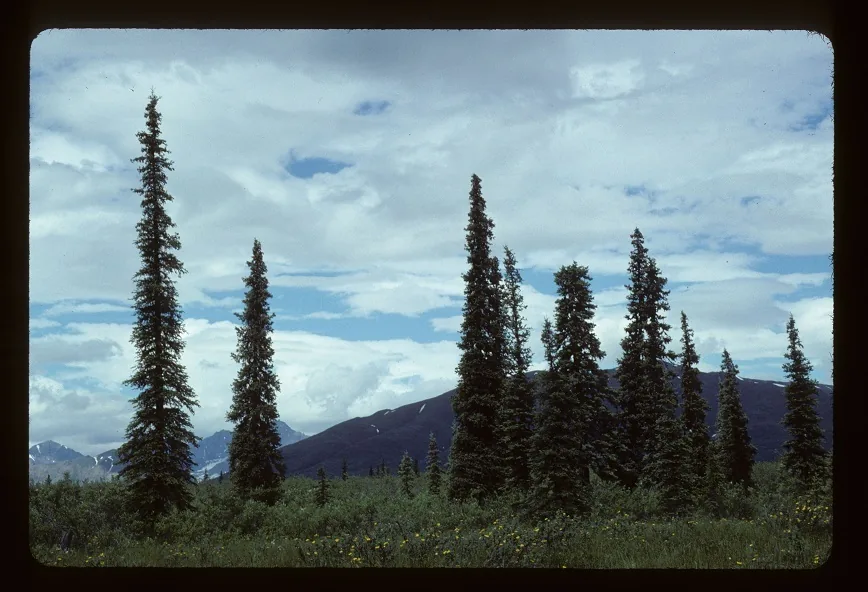
Black Hills Spruce
Picea glauca
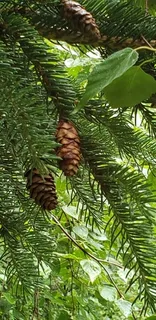
Black Hills spruce, a tough, dense form of white spruce (Picea glauca 'Densata').
View full Black Hills Spruce page →
Photos: (c) Douglas Goldman, some rights reserve, (c) Heather Mazzaccaro, some rights rese
| Colorado Blue Spruce | Black Hills Spruce | |
|---|---|---|
| Cold hardiness | USDA 2–7 | USDA 2–6 |
| Salt tolerance | Low | Moderate✓ Better here |
| Colorado native | Yes | — |
| Mature size | 50–75 ft tall · 20–30 ft wide | 25–40 ft tall · 15–20 ft wide |
| Local availability | Widely available✓ Better here | Limited at nurseries |
| Bothwater need medium to high water · alkaline clay tolerant · wind tolerance high · hail tolerance high · speed to shade slow, a long-term, legacy tree · litter / cleanup minimal · problems to watch spruce ips beetle in stressed trees; spruce spider mite on hot; cytospora canker on lower branches · lifespan long · pollinator value low · sun full, partial · mature form pyramidal | ||
"Better here" marks the choice better suited to typical Front Range conditions, water, soil pH, cold hardiness, and wind. Growth rate and mature size are tradeoffs, not scored.
Ratings from the 2024 Front Range Tree Recommendation List + CSU Extension, how we rate plants →
Where they differ
Both are slow, hardy, hail- and wind-tough evergreens, but they fit different jobs. Colorado blue spruce, our state tree, is a large 50–75 ft specimen with striking blue needles, but it needs serious space, has low salt tolerance, and is increasingly hit by spruce spider mites, ips beetle, and needlecast on hot, dry sites. Black Hills spruce (a dense form of white spruce) stays tighter and smaller (25–40 ft), carries no critical flags, takes more salt, and makes a denser, lower-maintenance privacy screen.
Which should you plant?
Choose Colorado Blue Spruce if…
- You have room for a 50–75 ft signature specimen
- You want the iconic steel-blue color
- You can water it and watch for spider mites
- You're not planting it near a salty street or walk
Choose Black Hills Spruce if…
- You want a tight, tough privacy screen or a smaller yard tree
- You want a denser, lower-maintenance evergreen
- You're near de-icing salt (it tolerates more)
- You'd rather avoid blue spruce's mite and needlecast trouble
Through the seasons
Colorado Blue Spruce: evergreen all winter.
Black Hills Spruce: evergreen all winter.
Front Range considerations
Both handle our cold, hail, and wind, so the Front Range decision is space, salt, and pests. Colorado blue spruce gets big and is flagged for cold and salt, keep it away from de-icing spray, and on hot, dry urban sites it's increasingly disfigured by spruce spider mites and Rhizosphaera needlecast, often losing lower branches. Black Hills spruce stays smaller and denser, tolerates more salt, and carries no critical flags, making it the more reliable screen for an average lot. Both want deep, occasional summer water and a spot with airflow; spider mites thrive on drought-stressed, dusty trees.
Plan your garden
Not sure what to plant? The finder matches Front Range trees, shrubs, perennials, and groundcover to your soil, water, sun, and zone.
Ready to plant Black Hills Spruce?
Frequently asked questions
- Is Colorado blue spruce or Black Hills spruce better for a privacy screen?
- Black Hills spruce for most yards, it's denser, stays a manageable 25–40 ft, and is tougher and lower-maintenance. Blue spruce gets big (50–75 ft) and often thins out from mites and needlecast.
- Why do blue spruces look bad or lose branches in Colorado?
- On hot, dry urban sites blue spruce is increasingly hit by spruce spider mites, Rhizosphaera needlecast, and Cytospora canker, which brown and kill lower branches. Deep watering and airflow help; Black Hills spruce is less prone.
- How big do they get?
- Colorado blue spruce reaches 50–75 ft tall and 20–30 ft wide, a large specimen. Black Hills spruce stays around 25–40 ft, which fits an average yard and makes a tighter screen.
- Which handles de-icing salt better?
- Black Hills spruce, blue spruce is specifically flagged for low salt tolerance, so keep it back from salted streets, walks, and driveways. Black Hills takes moderate salt.
- Are they good for wind and hail?
- Yes, both are rated high for hail and wind tolerance, which makes spruce a solid evergreen choice for exposed Front Range sites.
- Is Black Hills spruce hard to find?
- It's less common than blue spruce but available at Front Range nurseries that carry evergreens; ask for Picea glauca 'Densata.'
- Which is more drought-tolerant?
- Neither is low-water, both prefer medium-to-high moisture and resent hot, dry, dusty sites (which invite spider mites). Plan to deep-water either through summer dry spells.
Bottom line
For most Front Range yards, plant Black Hills Spruce. Choose Colorado Blue Spruce only if you have room for a 50–75 ft signature specimen.
Find Black Hills Spruce near you
Related comparisons
Browse Front Range evergreens · Browse all Front Range trees