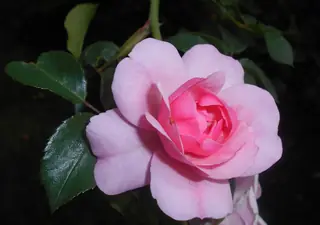
Hansa rose
Rosa rugosa 'Hansa'
Hansa rose (Rosa rugosa 'Hansa') is a shrub suited to the Colorado Front Range. It matures to about 4 to 5 ft tall and 4 to 6 ft wide, needs low to medium water, and prefers full sun. An intensely clove-scented rugosa: magenta-purple double flowers, big tomato-red hips, and bulletproof toughness (salt, wind, poor soil, cold to zone 3). It suckers into a thicket, so give it room.
Photos
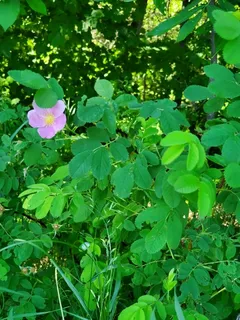
- Photo 1: (c) AnimalObserverDeniz321, some rights reserved (CC BY)
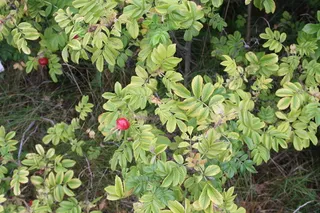
- Photo 2: (c) Tom Norton, some rights reserved (CC BY), uploaded by Tom Norton
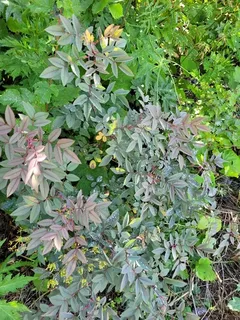
- Photo 3: (c) S. Rae, some rights reserved (CC BY)
At a glance
Will it survive here?
- Hardiness zones
- USDA 3 to 9
- Water needs
- low to medium water
- Sun
- Best in full sun.
- Soil
- clay, loam, sandy
- Soil pH
- 6.0 to 7.5
- Hail tolerance
- high
- Wind tolerance
- high
- Salt tolerance
- high
How big, what shape?
- Mature size
- 4 to 5 ft tall and 4 to 6 ft wide
- Planting spacing
- ~6 ft apart (4 ft for a hedge/screen)
- Growth rate
- Moderate
What it looks like, and when
- Bloom time
- early summer, mid summer, late summer, early fall
- Bloom color
- purple, red
- Bloom length
- Reblooms
- Fall color
- Yellow, orange
- Foliage
- Deciduous
What it will do to your yard
- Hedge use
- Informal hedge or screen
Who else benefits
- Pollinator value
- high
- Deer
- Deer often browse this
- Colorado native
- No
Also worth knowing
- Fire rating
- Not rated
Things to know before you plant
- SuckersIt suckers from the base or roots, so remove shoots to keep it in bounds.
- ThornyIt is thorny, so site it away from paths, seating, and play areas.
Common problems on the Front Range
- Aphids
- Blackspot and powdery mildew
- Japanese beetle
These are general tendencies for this group of plants on the Front Range, not a diagnosis. Many are stress-driven and preventable with good siting and watering. For a specific plant or an active problem, consult a certified arborist or your local CSU Extension office.
Planting & establishment
Give it deep, regular water the first two seasons and steady moisture after; mulch to keep the roots cool and moist.
- Pruning: light.
- Fruit: wildlife (birds/wildlife).
Frequently asked questions
- Is Hansa rose good for the Colorado Front Range?
- Yes, Hansa rose is a well-suited shrub for Colorado's Front Range.
- What should I know before planting Hansa rose?
- The main things to know: It suckers from the base or roots, so remove shoots to keep it in bounds. It is thorny, so site it away from paths, seating, and play areas.
- How big does Hansa rose get?
- It matures to about 4 to 5 ft tall and 4 to 6 ft wide.
- How far apart do I plant Hansa rose?
- Space Hansa rose about 6 ft apart for a full, natural form, or about 4 ft apart for a faster hedge or screen.
- Is Hansa rose hardy on the Front Range?
- Hansa rose is hardy in USDA 3 to 9. The Colorado Front Range spans roughly USDA 4b to 6a, so it is well within range.
- How much water does Hansa rose need?
- It needs low to medium water once established.
- How fast does Hansa rose grow?
- Hansa rose is a moderate-growing shrub. Growth rate depends on water and site conditions on the Front Range.
- What color does Hansa rose turn in fall?
- Hansa rose turns yellow and orange in autumn. Fall color intensity varies with the season and site on the Front Range.
- Is Hansa rose native to Colorado?
- No. It is not a Colorado native, but it grows well on the Front Range.
- Is Hansa rose deer-resistant?
- No. Deer often browse Hansa rose, so plan on protecting it where deer roam.
- Is Hansa rose prone to pests or disease on the Front Range?
- Hansa rose can be affected by aphids and other issues common to this group on the Front Range. These are general tendencies, not a diagnosis, many are stress-driven and preventable with good siting and watering. For a specific plant or an active problem, consult a certified arborist or CSU Extension.
- Is Hansa rose a good hedge plant?
- Yes, as an informal hedge. Hansa rose works best as a relaxed hedge or screen kept to its natural form rather than sheared into a tight box.
- How long does Hansa rose bloom?
- Hansa rose reblooms through the season, especially if you deadhead spent flowers on the Front Range. Bloom timing shifts a week or two with elevation and spring weather.