Pin Oak vs Red Oak for the Colorado Front Range
Quick answer
Plant red oak, not pin oak. Both are red-fall oaks that resent our alkaline clay, but pin oak almost always develops severe iron chlorosis within two or three years here, while red oak holds on far better. Honestly, in very alkaline soil even red oak struggles, a bur oak is the tougher bet.
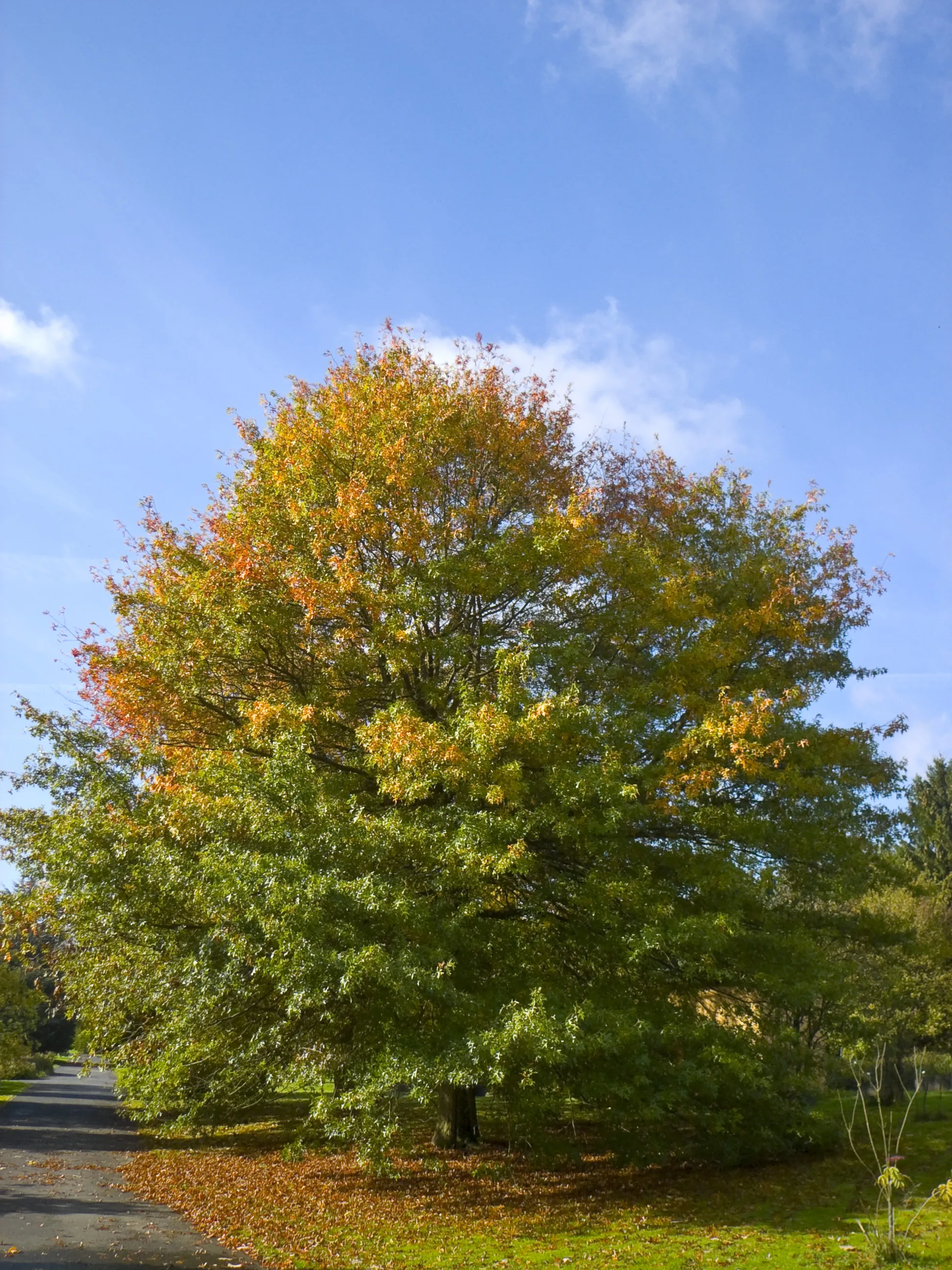
Pin Oak
Quercus palustris
Pin oak (Quercus palustris), rated Not Recommended for the Front Range.
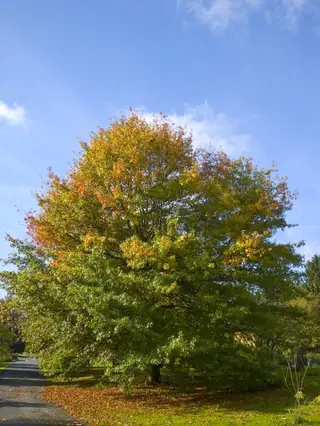
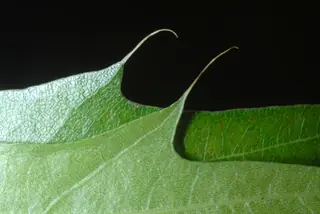
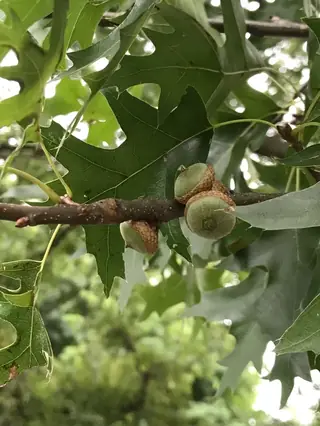
Photos: Willow (CC BY 2), (c) Douglas Goldman, some rights reserve, (c) Sandy Wolkenberg, some rights reserv
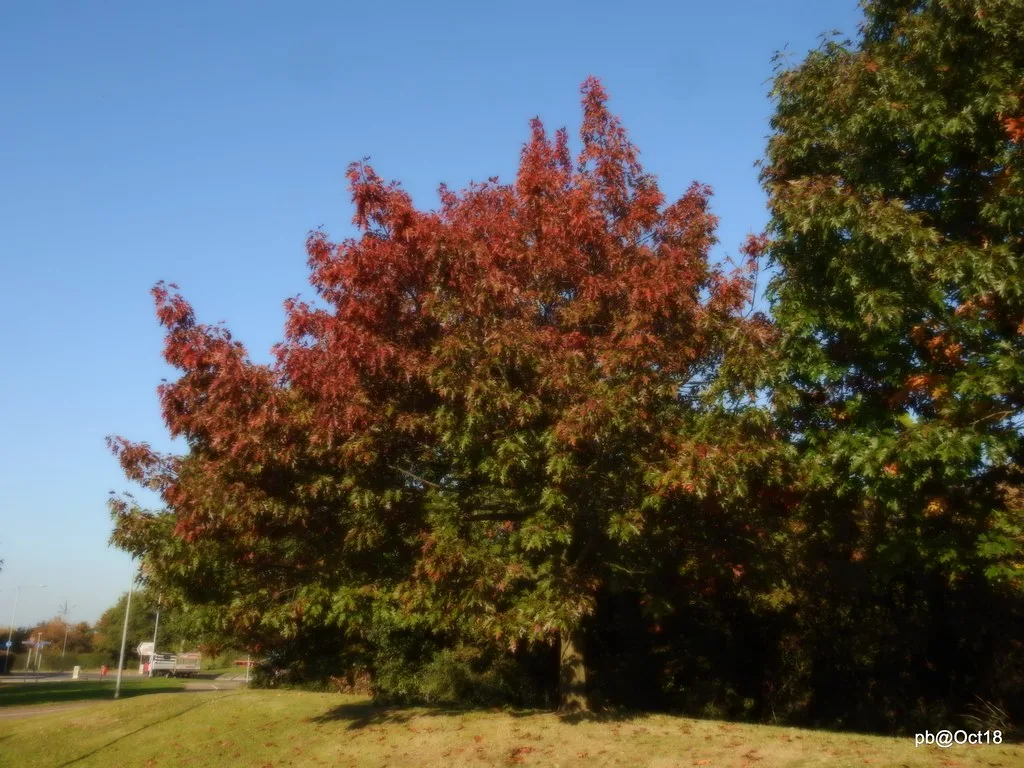
Red Oak
Quercus rubra
Northern red oak (Quercus rubra).
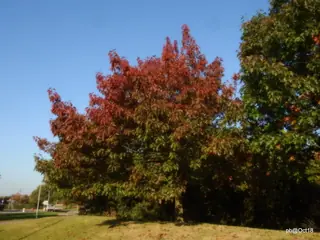
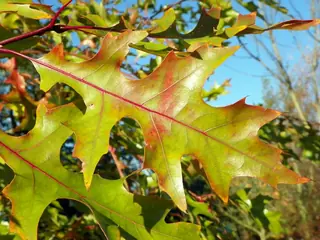
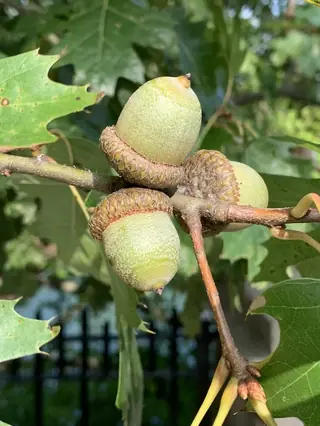
Photos: pete. #hwcp (CC BY 2), Peter O'Connor aka anemoneprojectors (CC BY-SA 2), (c) Sandy Wolkenberg, some rights reserv
| Pin Oak | Red Oak | |
|---|---|---|
| Mature size | 50–70 ft tall · 25–40 ft wide | 60–75 ft tall · 40–50 ft wide |
| Problems to watch | Chlorosis in alkaline soils | Develops chlorosis in alkaline soils |
| Mature form | Pyramidal | Rounded |
| Bothwater need medium water · alkaline clay tolerant · cold hardiness usda 4–8 · wind tolerance moderate · salt tolerance moderate · hail tolerance moderate · speed to shade moderate, usable shade sooner · local availability widely available · litter / cleanup acorns + leaf litter · lifespan long · fall color bronze, red · pollinator value low · sun full | ||
"Better here" marks the choice better suited to typical Front Range conditions, water, soil pH, cold hardiness, and wind. Growth rate and mature size are tradeoffs, not scored.
Heads-up on Pin Oak: Pin oak struggles in our alkaline soils, almost always develops severe iron chlorosis within 2-3 years.
Ratings from the 2024 Front Range Tree Recommendation List + CSU Extension, how we rate plants →
Where they differ
These two look alike in fall, both bronze-red, but behave very differently in our soil. Pin oak is rated Not Recommended for the Front Range: a near-guaranteed chlorosis failure on alkaline ground, yellowing badly within a few years. Red oak is flagged for the same risk but tolerates higher pH much better and is rated for most sites. Red oak is also the bigger, sturdier tree (60–75 ft, rounded) versus pin oak's narrower pyramidal form with low, drooping branches.
Which should you plant?
Choose Pin Oak if…
- Your soil is genuinely acidic and well-drained (rare here)
- You'll commit to ongoing iron and pH treatment
- You specifically want the narrow pyramidal form, and accept chlorosis risk
Choose Red Oak if…
- You want reliable bronze-red fall color that survives here
- You have decent, not-extremely-alkaline soil
- You want a large, long-lived rounded shade tree
- You'll deep-water young trees to limit chlorosis stress
Through the seasons
Pin Oak: bronze, red fall color.
Red Oak: bronze, red fall color.
Front Range considerations
Alkaline clay is the whole story. Front Range soils run pH 7.5–8.2, and both red oaks prefer acidic ground, that mismatch causes iron chlorosis (yellow leaves, green veins). Pin oak is the textbook failure, declining within a few years; red oak is more forgiving but not immune, so give it your best-drained, least-alkaline soil and skip it on heavy caliche. If your soil is very alkaline, a bur oak is a bomb-proof oak (bronze fall rather than red). Deep-water young trees and use chelated iron if leaves pale.
Plan your garden
Not sure what to plant? The finder matches Front Range trees, shrubs, perennials, and groundcover to your soil, water, sun, and zone.
Ready to plant Red Oak?
Frequently asked questions
- Is pin oak or red oak better for the Front Range?
- Red oak, decisively. Pin oak is rated Not Recommended because it almost always develops severe iron chlorosis in our alkaline soils within a few years; red oak tolerates higher pH much better.
- Why does pin oak get chlorosis in Colorado?
- Pin oak evolved on acidic soils and can't pull enough iron from our high-pH (7.5–8.2) clay. The leaves yellow between green veins, then brown and decline, usually within two to three years of planting.
- Which has better fall color?
- Both turn similar bronze-to-red when healthy. But a chlorotic pin oak looks sickly yellow-green all season, so red oak delivers far more reliable fall color here.
- Do they grow to the same size?
- No, red oak is bigger and sturdier (60–75 ft, rounded) while pin oak is narrower and pyramidal (50–70 ft) with low, drooping branches that need pruning over walks.
- Can I plant pin oak if I treat the soil?
- You can try with chelated iron and soil sulfur, but it's a lifelong commitment and often a losing battle in heavy alkaline clay. Most Front Range arborists steer homeowners away from pin oak.
- What should I plant instead for tough alkaline clay?
- If you want a truly bomb-proof oak, bur oak handles our clay and drought without chlorosis (bronze fall rather than red). See our bur oak vs swamp white oak comparison.
- Which is more drought-tolerant?
- Both are medium-water and want steady moisture while young; neither is a low-water tree. Red oak is the more resilient of the two once established.
Bottom line
For most Front Range yards, plant Red Oak. Choose Pin Oak only if your soil is genuinely acidic and well-drained (rare here).
Find Red Oak near you
Related comparisons
Browse Front Range–rated shade trees · Browse all Front Range trees