Bur Oak vs Swamp White Oak for the Colorado Front Range
Quick answer
For most Front Range yards, plant bur oak. It shrugs off the alkaline clay, drought, wind, and cold that give swamp white oak iron chlorosis and a slower start here. Choose swamp white oak only where the soil stays reliably moist, a low spot, rain garden, or irrigated lawn, and you can manage high pH.
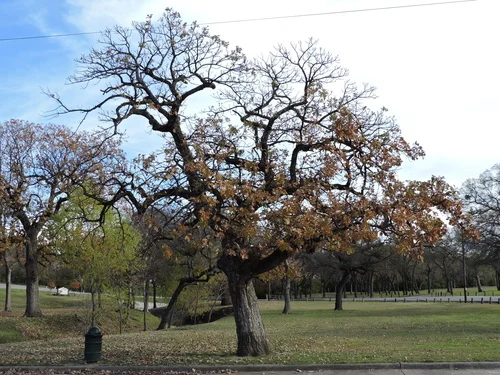
Bur Oak
Quercus macrocarpa
Figures are for the straight species, Quercus macrocarpa.
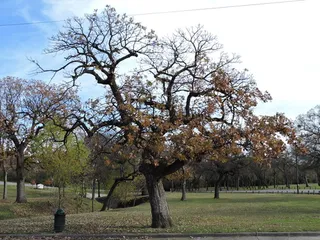
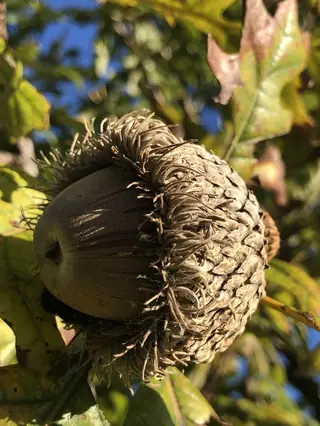
Photos: (c) Sam Kieschnick, some rights reserved, (c) Terry Woodward, some rights reserved
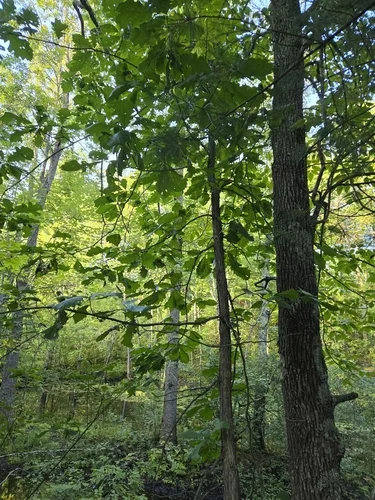
Swamp White Oak
Quercus bicolor
Figures are for the straight species, Quercus bicolor.
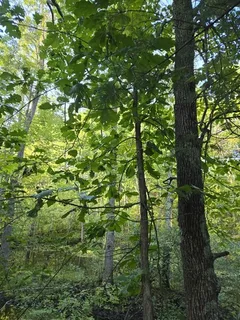
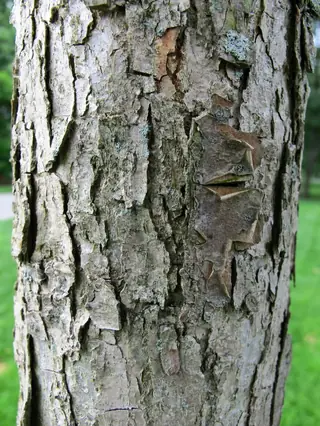
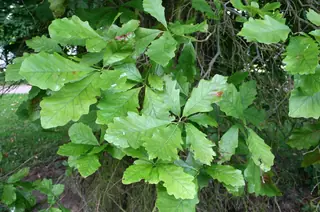
View full Swamp White Oak page →
Photos: no rights reserved, (c) Kristine Paulus, some rights reserve, (c) Jean-Pol GRANDMONT, some rights rese
| Bur Oak | Swamp White Oak | |
|---|---|---|
| Water need | low to medium water✓ Better here | medium water |
| Alkaline clay | Tolerant✓ Better here | Chlorosis risk |
| Cold hardiness | USDA 3–8✓ Better here | USDA 4–8 |
| Wind tolerance | High✓ Better here | Moderate |
| Mature size | 60–80 ft tall · 60–80 ft wide | 50–60 ft tall · 50–60 ft wide |
| Speed to shade | Slow, a long-term, legacy tree | Moderate, usable shade sooner |
| Problems to watch | Susceptible to galls | Can develop some chlorosis in alkaline soils |
| Bothsalt tolerance high · hail tolerance moderate · local availability widely available · litter / cleanup acorns + leaf litter · lifespan long · fall color bronze, red · pollinator value low · sun full · mature form rounded | ||
"Better here" marks the choice better suited to typical Front Range conditions, water, soil pH, cold hardiness, and wind. Growth rate and mature size are tradeoffs, not scored.
Heads-up on Swamp White Oak: Develops iron chlorosis in our alkaline soils, leaves yellow with green veins, then decline.
Ratings from the 2024 Front Range Tree Recommendation List + CSU Extension, how we rate plants →
Where they differ
The split is soil and water. Bur oak is one of the most alkaline- and drought-tolerant large shade trees we can grow on the Front Range, it's flagged only for cold hardiness and handles our clay and wind without complaint. Swamp white oak grows faster and is a fine tree in the right spot, but our high-pH soils flag it for soil chemistry: it commonly yellows with iron chlorosis unless it has steady moisture and some pH help.
Which should you plant?
Choose Bur Oak if…
- You have typical Front Range alkaline clay and won't irrigate heavily
- Your site is windy or exposed, bur oak is wind-firm and hardy to zone 3
- You want a long-lived, low-water legacy shade tree and can wait (it's slow)
- You're replacing an ash and want a tough, trouble-light oak
Choose Swamp White Oak if…
- You have a low, moist, or irrigated spot, rain garden, downspout, watered lawn
- You want faster shade and will manage soil pH / iron chlorosis
- Your soil is closer to neutral, or you'll amend and chelate
- You're in a milder pocket (hardy to zone 4 vs bur oak's zone 3)
Through the seasons
Bur Oak: bronze, red fall color.
Swamp White Oak: bronze, red fall color.
Front Range considerations
Alkaline clay is the deciding hazard. Front Range soils run pH 7.5–8.2, and swamp white oak's biggest weakness here is iron chlorosis on exactly that ground; bur oak is unbothered. Water tracks soil: bur oak is low-water once established while swamp white oak needs consistent moisture, so on unirrigated ground bur oak wins on both counts. For cold and wind, late freezes and chinooks, bur oak is the safer pick (zone 3, high wind tolerance) over swamp white oak (zone 4, moderate). Both take our hail and de-icing salt equally well. Whichever you plant, water deeply through the first two summers and winter-water monthly to beat desiccation.
Plan your garden
Not sure what to plant? The finder matches Front Range trees, shrubs, perennials, and groundcover to your soil, water, sun, and zone.
Ready to plant Bur Oak?
Frequently asked questions
- Is bur oak or swamp white oak faster growing?
- Swamp white oak is the faster of the two, moderate growth versus bur oak's slow pace, so it gives shade sooner. Bur oak trades speed for toughness, living a long time on far less water.
- Which is better for clay soil on the Front Range?
- Bur oak. Both tolerate clay, but Front Range clay is also alkaline (high pH), and swamp white oak is flagged for soil chemistry, it commonly develops iron chlorosis (yellow leaves with green veins) in our high-pH clay, while bur oak tolerates the same soil without it.
- Which has better fall color?
- It's a wash, both turn similar bronze-to-red tones. Neither is a standout fall-color tree, so choose on soil, water, and size instead.
- Which is more drought-tolerant?
- Bur oak. It's rated low-to-medium water and is one of the most drought-tough large shade trees for the Front Range once established; swamp white oak needs steady, medium moisture and struggles in dry ground.
- How far from the house should I plant them?
- Both are large, bur oak matures around 60–80 ft tall and wide, swamp white oak 50–60 ft, so give either roughly its mature spread in clearance from the house, sidewalk, and power lines. Neither belongs in a small front yard.
- Do bur oak and swamp white oak hybridize?
- Yes, both are in the white-oak group and cross readily (the hybrid is Quercus × schuettei), so seed-grown nursery trees can show intermediate traits. For a predictable result, buy a named selection or a tree from a known parent.
- Which is better for wildlife?
- Both are outstanding, oaks are keystone trees that support more native caterpillars and birds than almost any other tree, and their acorns feed birds and mammals. For overall wildlife value it's effectively a tie.
Bottom line
For most Front Range yards, plant Bur Oak. Choose Swamp White Oak only if you have a low, moist, or irrigated spot, rain garden, downspout, watered lawn.
Find Bur Oak near you
Related comparisons
See other low-water Front Range shade trees · Browse all Front Range trees