American Linden vs Littleleaf Linden for the Colorado Front Range
Quick answer
For most Front Range yards, plant American linden, it's a bigger, faster, cold-hardier shade tree and Japanese beetles bother it less, while littleleaf linden is tidier and more formal but the beetles' favorite. Both are superb summer bee trees. Choose littleleaf for a compact, uniform street planting.
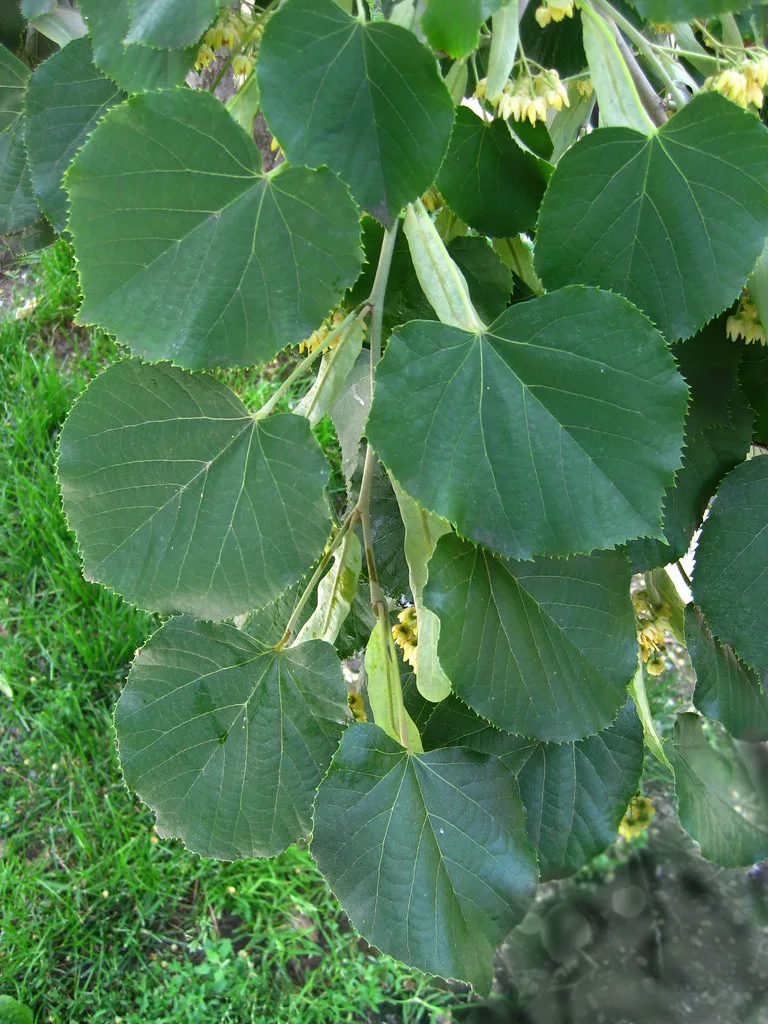
American Linden
Tilia americana
Figures are for selections like American Sentry™ and 'Redmond'.
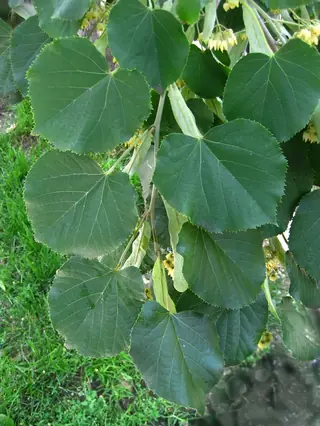
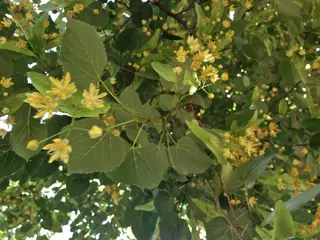
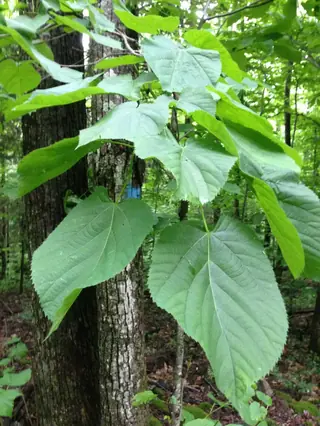
View full American Linden page →
Photos: Virens (Latin for greening) (CC BY 2), Fritzflohrreynolds (CC BY-SA 3), (c) naturalist charlie, some rights rese
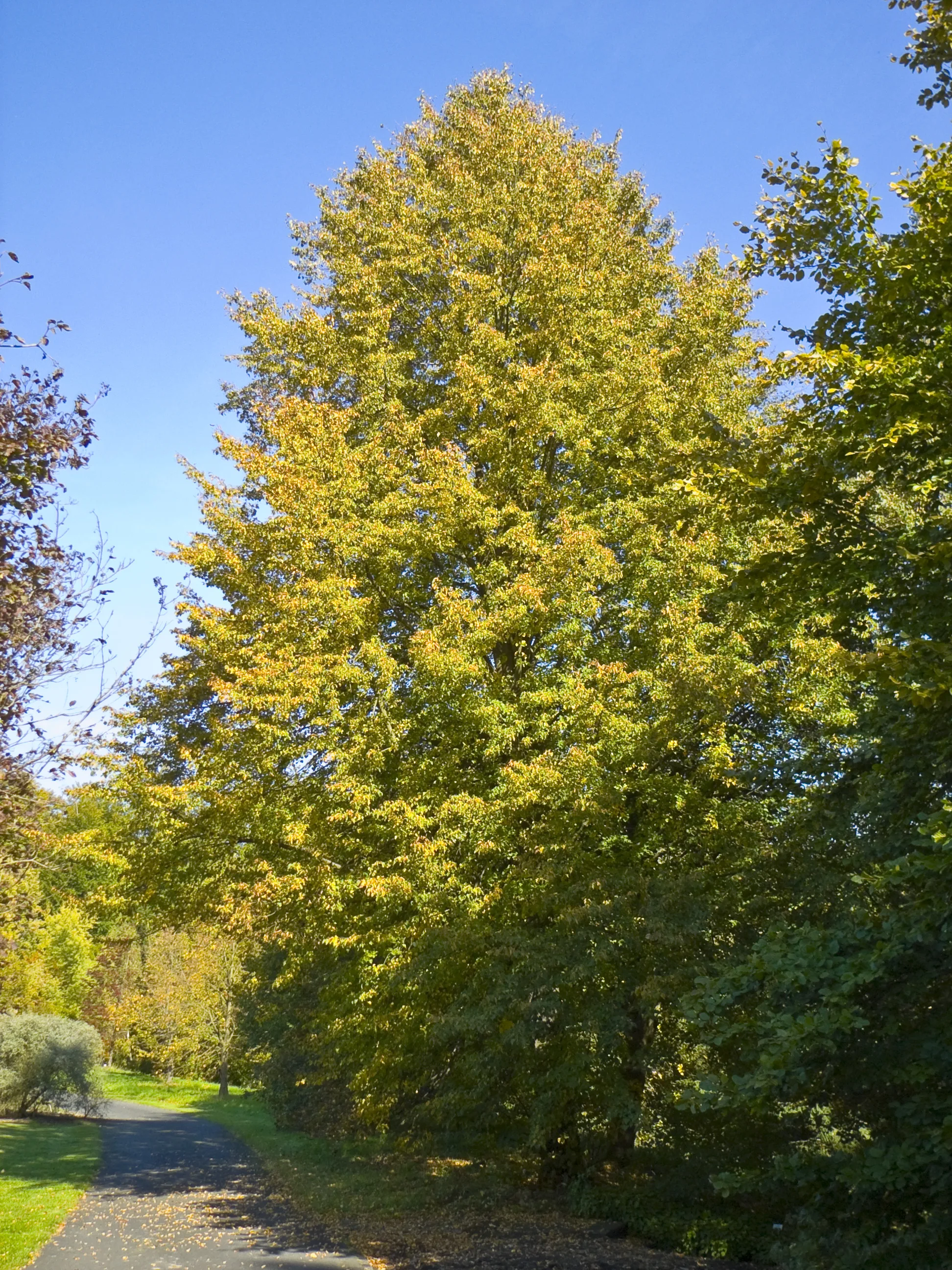
Littleleaf Linden
Tilia cordata
Figures are for Greenspire® littleleaf linden.
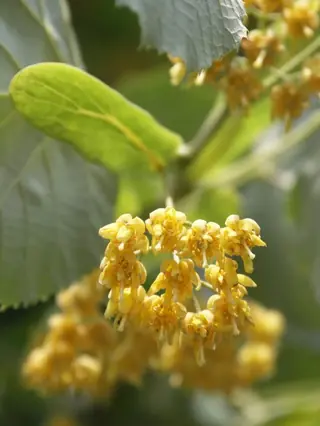
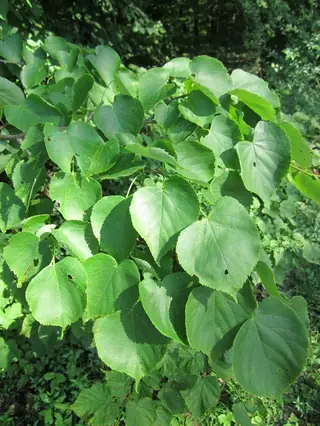
View full Littleleaf Linden page →
Photos: Willow (CC BY 2), Hendrik Falk (CC BY-SA 2), AnRo0002, no known copyright restriction
| American Linden | Littleleaf Linden | |
|---|---|---|
| Cold hardiness | USDA 2–8✓ Better here | USDA 3–7 |
| Mature size | 50–75 ft tall · 30–50 ft wide | 40–50 ft tall · 25–35 ft wide |
| Speed to shade | Fast | Moderate, usable shade sooner |
| Mature form | Oval | Pyramidal |
| Bothwater need medium water · alkaline clay tolerant · wind tolerance moderate · salt tolerance high · hail tolerance moderate · local availability widely available · litter / cleanup minimal · problems to watch aphids and the resulting honeydew and sooty mold; japanese beetle defoliation · lifespan medium · fall color yellow · pollinator value high · sun full, partial | ||
"Better here" marks the choice better suited to typical Front Range conditions, water, soil pH, cold hardiness, and wind. Growth rate and mature size are tradeoffs, not scored.
Ratings from the 2024 Front Range Tree Recommendation List + CSU Extension, how we rate plants →
Where they differ
Both are fragrant midsummer 'bee trees' with clean yellow fall color, but they differ in size and pest pressure. American linden is the larger, faster, more cold-hardy tree (50–75 ft, to USDA zone 2) with a native pedigree. Littleleaf linden is smaller and famously neat and pyramidal (40–50 ft), the classic formal street tree, but it's the preferred target of Japanese beetle and is flagged for insects and diseases, while American linden is comparatively less preferred.
Which should you plant?
Choose American Linden if…
- You want a large, fast shade tree and a top pollinator/bee tree
- Japanese beetle is in your area and you want less defoliation
- You're in a cold pocket (hardy to USDA zone 2)
- You have room for a 50–75 ft canopy
Choose Littleleaf Linden if…
- You want a tidy, uniform, formal street or lawn tree
- You have a smaller space, it stays 40–50 ft
- You prefer its dense, symmetrical pyramidal shape
- You'll manage aphids/honeydew and Japanese beetle
Through the seasons
American Linden: spring yellow, cream bloom · yellow fall color · bold bare-branch winter form.
Littleleaf Linden: spring yellow, cream bloom · yellow fall color.
Front Range considerations
Both lindens take our alkaline clay and de-icing salt well and are excellent summer nectar trees, so the Front Range differences come down to size, cold-hardiness, and beetles. Both attract aphids (and the honeydew and sooty mold that follow) and Japanese beetle, but littleleaf is the beetle's preferred host and is flagged for insects and diseases, while American linden is less preferred and only flagged for cold (it's hardier). Site either out of the hottest, driest wind to limit leaf scorch, and deep-water through establishment.
Plan your garden
Not sure what to plant? The finder matches Front Range trees, shrubs, perennials, and groundcover to your soil, water, sun, and zone.
Ready to plant American Linden?
Frequently asked questions
- Is American or littleleaf linden faster growing?
- American linden is faster (fast versus moderate) and ultimately larger, 50–75 ft versus 40–50 ft. Littleleaf is slower but stays tidy and compact.
- Which linden does Japanese beetle prefer?
- Littleleaf linden is a top favorite of Japanese beetle and is flagged for insect damage; American linden is comparatively less preferred, so it usually shows less defoliation.
- Are lindens good for bees?
- Excellent, both bloom fragrant cream-yellow flowers in early-to-mid summer and are among the best pollinator 'bee trees' you can plant on the Front Range.
- Which is better for clay soil?
- Both handle our alkaline clay and salt well; neither is flagged for soil chemistry. Choose on size and beetle pressure, not soil.
- Which is messier?
- Both can drop aphid honeydew that leaves a sticky film and sooty mold under the canopy in a heavy aphid year, the main reason not to plant either right over a patio or driveway.
- How far from the house should I plant them?
- American linden needs room for a 50–75 ft tree; littleleaf fits tighter at 40–50 ft. Give either space from the house and keep the honeydew off paved sitting areas.
- Which is more cold-hardy?
- American linden, hardy to USDA zone 2 versus littleleaf's zone 3, so it's the safer pick in a cold mountain-edge or open, exposed site.
Bottom line
For most Front Range yards, plant American Linden. Choose Littleleaf Linden only if you want a tidy, uniform, formal street or lawn tree.
Find American Linden near you
Related comparisons
Browse Front Range shade trees · Browse all Front Range trees