Utah serviceberry
Amelanchier utahensis
Utah serviceberry (Amelanchier utahensis) is a Colorado-native shrub suited to the Colorado Front Range. It matures to about 10–15 ft tall and 8–12 ft wide, needs low to medium water, and prefers full sun to partial shade. Drier-site native; smaller leaves and tougher than Saskatoon. Edible berries, fall color.
Colorado nativeOn the CSU listlow to medium water10–15 ft tall and 8–12 ft wideXeric / water-wiseZones 2–3 (keep it back from the house)
Photos
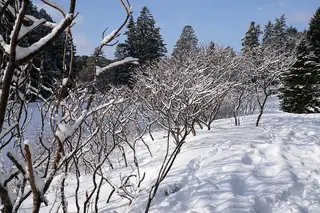
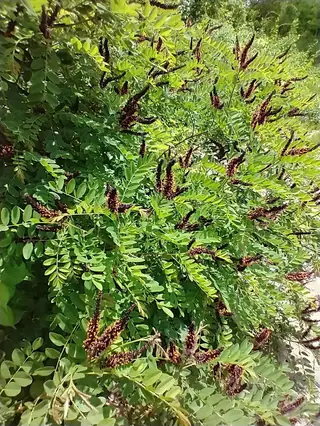
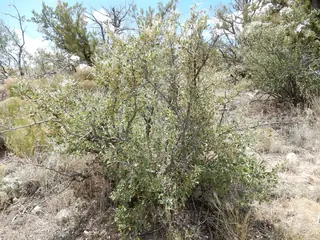
- Photo 1: "Amelanchier utahensis" by Matt Lavin is licensed under CC BY-SA 2.0. To view a copy of this license, visit https://creativecommons.org/licenses/by-sa/2.0/.
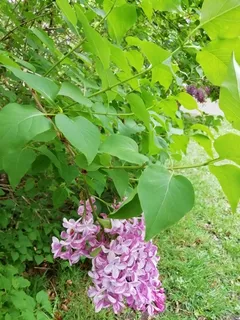
- Photo 2: "Utah serviceberry, Amelanchier utahensis" by Jim Morefield is licensed under CC BY-SA 2.0. To view a copy of this license, visit https://creativecommons.org/licenses/by-sa/2.0/.
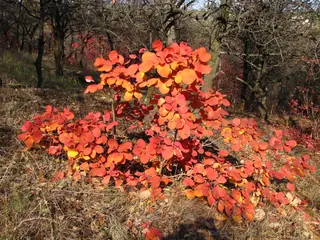
- Photo 3: "Amelanchier utahensis" by Matt Lavin is licensed under CC BY-SA 2.0. To view a copy of this license, visit https://creativecommons.org/licenses/by-sa/2.0/.
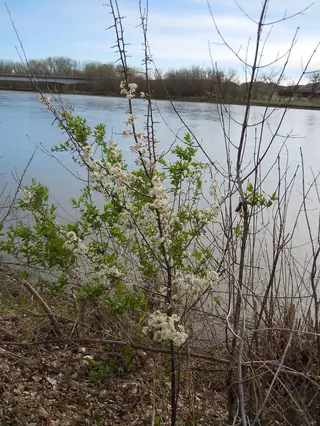
- Photo 4: (c) Steve Matson, some rights reserved (CC BY)
- Photo 5: "Utah serviceberry, Amelanchier utahensis" by Jim Morefield is licensed under CC BY-SA 2.0. To view a copy of this license, visit https://creativecommons.org/licenses/by-sa/2.0/.
- Photo 6: "Utah serviceberry, Amelanchier utahensis" by Jim Morefield is licensed under CC BY-SA 2.0. To view a copy of this license, visit https://creativecommons.org/licenses/by-sa/2.0/.
At a glance
Will it survive here?
- Hardiness zones
- USDA 3–8
- Water needs
- low to medium water
- Sun
- Best in full sun; tolerates partial shade.
- Soil
- loam, sandy
- Soil pH
- 6.0–8.0
- Hail tolerance
- moderate
- Wind tolerance
- moderate
- Salt tolerance
- low
- Firewise (defensible space)
- Zones 2–3 (keep it back from the house)
How big, what shape?
- Mature size
- 10–15 ft tall and 8–12 ft wide
- Planting spacing
- ~12 ft apart (8 ft for a hedge/screen)
- Growth rate
- Moderate
What it looks like, and when
- Bloom time
- early spring, mid spring
- Bloom color
- white
- Fall color
- Orange, red
- Foliage
- Deciduous
Who else benefits
- Pollinator value
- high
- Deer
- Not deer-resistant
- Colorado native
- Yes
- Native ecoregion
- foothills, montane
Planting & establishment
Water weekly first 2 summers; native to drier sites but appreciates supplemental water during establishment.
- Fruit: edible.
Frequently asked questions
- Is Utah serviceberry good for the Colorado Front Range?
- Yes, Utah serviceberry is a well-suited shrub for Colorado's Front Range.
- How big does Utah serviceberry get?
- It matures to about 10–15 ft tall and 8–12 ft wide.
- How far apart do I plant Utah serviceberry?
- Space Utah serviceberry about 12 ft apart for a full, natural form, or about 8 ft apart for a faster hedge or screen.
- Is Utah serviceberry hardy on the Front Range?
- Utah serviceberry is hardy in USDA 3–8. The Colorado Front Range spans roughly USDA 4b–6a, so it is well within range.
- How much water does Utah serviceberry need?
- It needs low to medium water once established.
- How fast does Utah serviceberry grow?
- Utah serviceberry is a moderate-growing shrub. Growth rate depends on water and site conditions on the Front Range.
- What color does Utah serviceberry turn in fall?
- Utah serviceberry turns orange and red in autumn. Fall color intensity varies with the season and site on the Front Range.
- Is Utah serviceberry native to Colorado?
- Yes. It is a Colorado native.
- Is Utah serviceberry deer-resistant?
- No. Utah serviceberry is not considered deer-resistant and may need protection where deer browse.
- Is Utah serviceberry a good firewise plant near the house?
- Utah serviceberry is suitable in defensible-space zones 2–3, best kept back from the house rather than in the area right against the structure. This is general suitability guidance based on CSU Extension firewise plant lists, not a guarantee that any plant won't burn, a well-irrigated, well-maintained plant is the goal. Follow CSU Extension defensible-space guidance and check with your local fire district before planting in the wildland-urban interface.