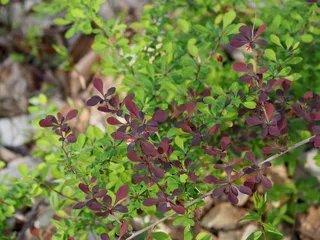
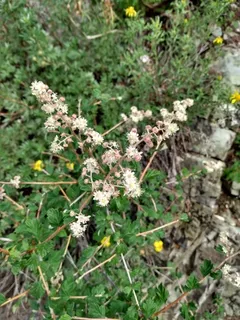
Sand cherry
Prunus pumila
Sand cherry (Prunus pumila) is a Colorado-native shrub suited to the Colorado Front Range. It matures to about 3–5 ft tall and 3–6 ft wide, needs low water, and prefers full sun. Closely related to Western sand cherry (P. besseyi) but lower-growing native of plains.
Colorado nativeOn the CSU listlow water3–5 ft tall and 3–6 ft wideXeric / water-wiseToxic to dogs
Photos
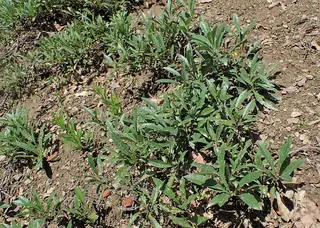
- Photo 1: Super cyclist at English Wikipedia, Wikimedia Commons (PD)
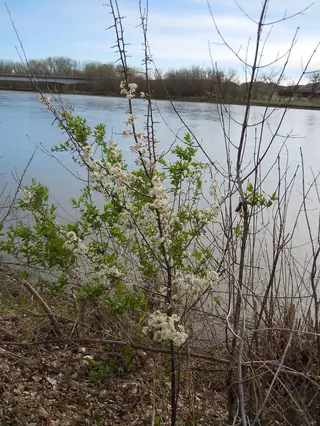
- Photo 2: Krzysztof Ziarnek, Kenraiz, Wikimedia Commons (CC-BY-SA)
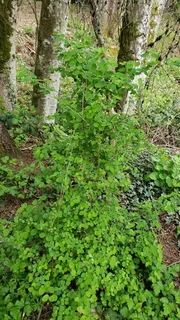
- Photo 3: Krzysztof Ziarnek, Kenraiz, Wikimedia Commons (CC-BY-SA)
- Photo 4: no rights reserved
- Photo 5: no rights reserved
At a glance
Will it survive here?
- Hardiness zones
- USDA 4–8
- Water needs
- low water
- Sun
- Best in full sun.
- Soil
- sandy, well drained only
- Soil pH
- 6.0–8.0
- Hail tolerance
- moderate
- Wind tolerance
- high
- Salt tolerance
- moderate
- Site uses
- Slopes & erosion control
How big, what shape?
- Mature size
- 3–5 ft tall and 3–6 ft wide
- Planting spacing
- ~6 ft apart (4 ft for a hedge/screen)
- Growth rate
- Moderate
What it looks like, and when
- Foliage
- Deciduous
What it will do to your yard
- Hedge use
- Informal hedge or screen
Who else benefits
- Pollinator value
- high
- Deer
- Not deer-resistant
- Colorado native
- Yes
- Native ecoregion
- shortgrass prairie
Things to know before you plant
- Seeds and pits toxic to dogsThe fruit flesh is safe, but the seeds, pits, and leaves carry trace cyanogen, so keep dogs from chewing them.
Common problems on the Front Range
- Borers (peachtree and lesser borer)
- Black knot (galls on twigs)
- Aphids and leaf curl
These are general tendencies for this group of plants on the Front Range, not a diagnosis. Many are stress-driven and preventable with good siting and watering. For a specific plant or an active problem, consult a certified arborist or your local CSU Extension office.
Planting & establishment
Sharp-draining sandy site preferred; rots in heavy wet clay.
- Pruning: light.
- Fruit: edible.
Frequently asked questions
- Is Sand cherry good for the Colorado Front Range?
- Yes, Sand cherry is a well-suited shrub for Colorado's Front Range.
- What should I know before planting Sand cherry?
- The main things to know: The fruit flesh is safe, but the seeds, pits, and leaves carry trace cyanogen, so keep dogs from chewing them.
- How big does Sand cherry get?
- It matures to about 3–5 ft tall and 3–6 ft wide.
- How far apart do I plant Sand cherry?
- Space Sand cherry about 6 ft apart for a full, natural form, or about 4 ft apart for a faster hedge or screen.
- Is Sand cherry hardy on the Front Range?
- Sand cherry is hardy in USDA 4–8. The Colorado Front Range spans roughly USDA 4b–6a, so it is well within range.
- How much water does Sand cherry need?
- It needs low water once established.
- How fast does Sand cherry grow?
- Sand cherry is a moderate-growing shrub. Growth rate depends on water and site conditions on the Front Range.
- Is Sand cherry safe for dogs?
- No. Sand cherry is considered toxic to dogs. Keep pets away and check with your vet.
- Is Sand cherry deer-resistant?
- No. Sand cherry is not considered deer-resistant and may need protection where deer browse.
- Is Sand cherry prone to pests or disease on the Front Range?
- Sand cherry can be affected by borers (peachtree and lesser borer) and other issues common to this group on the Front Range. These are general tendencies, not a diagnosis, many are stress-driven and preventable with good siting and watering. For a specific plant or an active problem, consult a certified arborist or CSU Extension.
- Is Sand cherry a good hedge plant?
- Yes, as an informal hedge. Sand cherry works best as a relaxed hedge or screen kept to its natural form rather than sheared into a tight box.